The European Parliament adopted a resolution on Georgia, condemning the persecution of opposition members and recognizing Zurabishvili as president

A new resolution of the European Parliament (EP) condemns the "unlawful persecution" of opposition members by the temporary commission of the Georgian parliament. The authors of the document draw attention to the disproportionately strong criticism of the actions of the government, whose powers expired more than 12 years ago, emphasizing the political nature of the "investigation".

In particular, the resolution "strongly condemns the arrest of Zurab Girchi Japaridze, Mamuka Khazaradze, Badri Japaridze, Giorgi Vashadze, Nika Melia, Nika Gvaramia and other opposition politicians." In addition, the European Parliament again demanded "the immediate release of former President Mikheil Saakashvili on humanitarian grounds so that he can receive the necessary medical care abroad."

As for the local elections scheduled for October 4, the EP believes that they will not reflect the democratic choice of the Georgian people unless the leaders of the political opposition are released and the vote is held in improved electoral conditions under the control of an independent and impartial electoral commission. Among other things, the MEPs are concerned about the de facto one-party nature of the Georgian parliament, formed on the basis of "rigged elections, which is incompatible with pluralistic parliamentary democracy and the standards expected of an EU candidate country." The European Parliament welcomes the termination of the Georgian Dream's mandate in PACE and calls for refraining from political meetings with its representatives. The EP resolution recognizes Salome Zurabishvili as the legitimate president of Georgia.
Последние новости
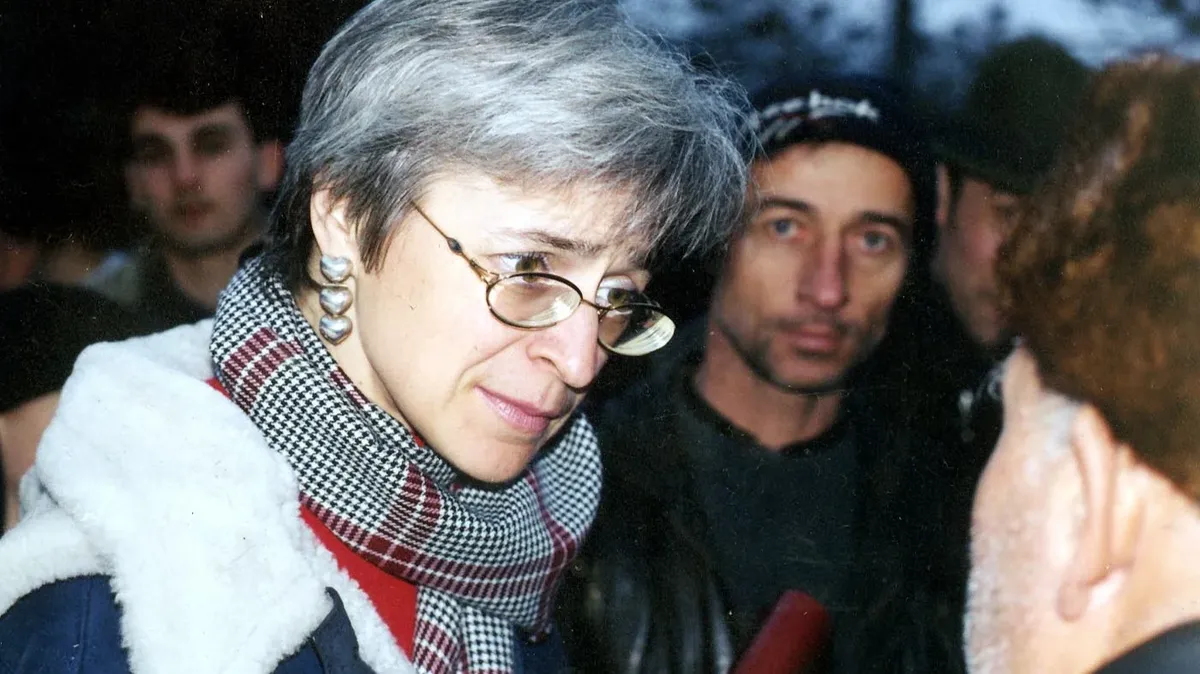
Disappearances, raids and torture: what Anna Politkovskaya wrote about the second Russian-Chechen war
Chronicle of Wars and Crimes
Disappearances, raids and torture: what Anna Politkovskaya wrote about the second Russian-Chechen war
7 October 2026

Anna Politkovskaya was killed on 7 October 2006. Her articles, written from behind Chechnya’s blood-soaked information wall and barbed wire, became a voice of truth — the truth about what residents of the republic were experiencing as they became a convenient and powerless collective victim of the global “fight against international terrorism”.

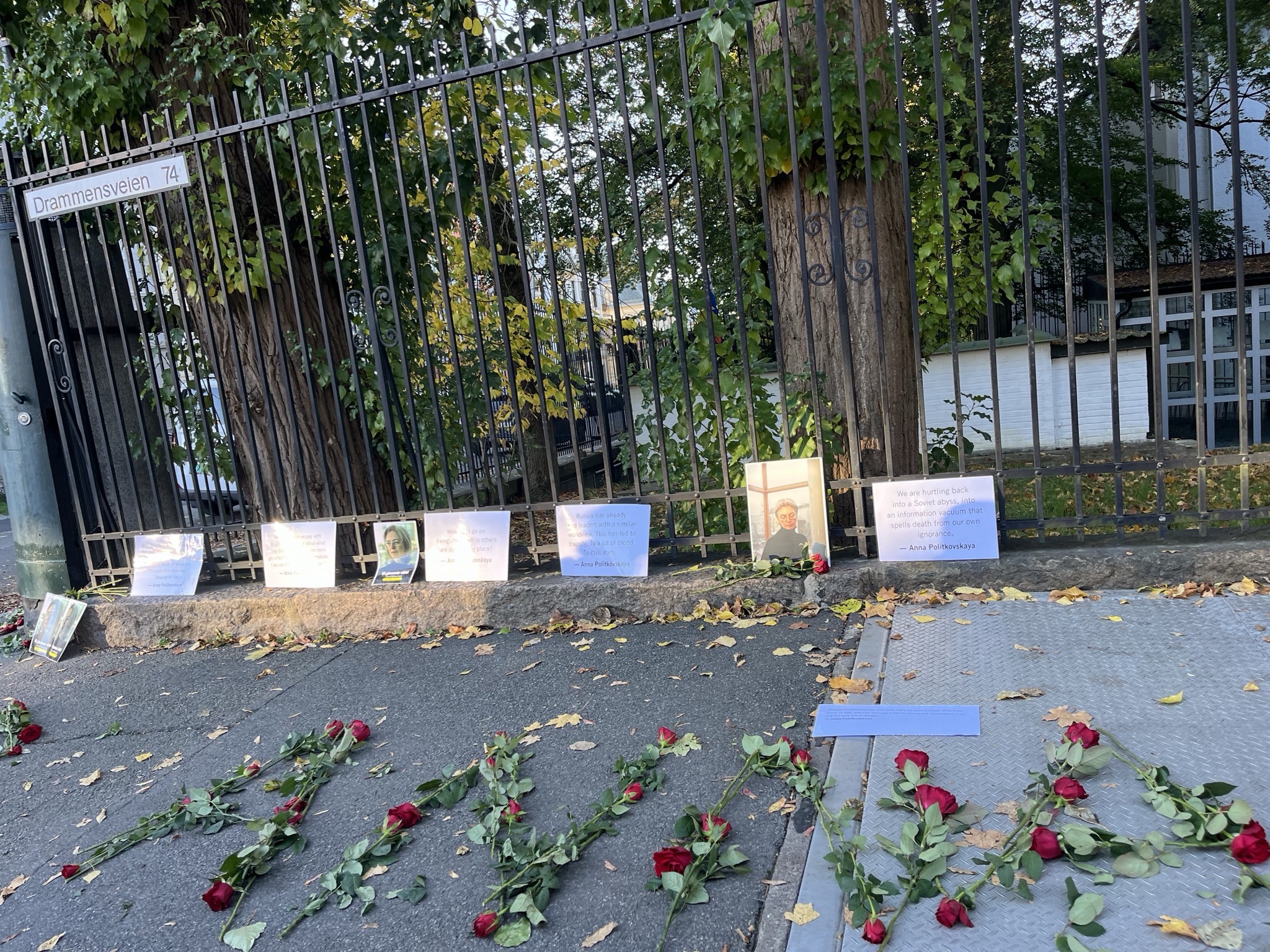
Anna Politkovskaya’s name laid out in flowers in Oslo
Human rights
Anna Politkovskaya’s name laid out in flowers in Oslo
7 October 2026

Memorial events for Anna Politkovskaya are taking place in countries around the world today, marking 20 years since the murder of the journalist, who spent many years reporting on the war in Chechnya and human rights violations.


European Parliament Demands Withdrawal of Lawsuit to Ban Opposition Parties in Georgia
Politics
European Parliament Demands Withdrawal of Lawsuit to Ban Opposition Parties in Georgia
7 October 2026

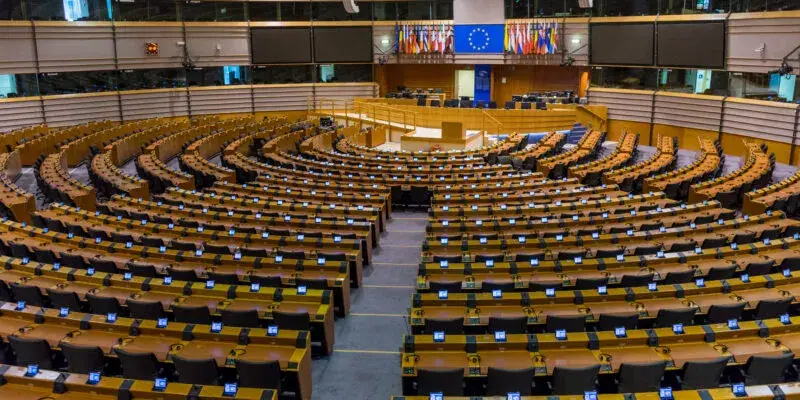
In a draft resolution, the European Parliament has called on Georgian authorities to immediately withdraw the constitutional lawsuit seeking to ban opposition parties. The document is set for a vote on October 8, following a debate on the country's political situation taking place in Strasbourg on October 7.

On Putin’s birthday, Kadyrov speaks of the
Politics
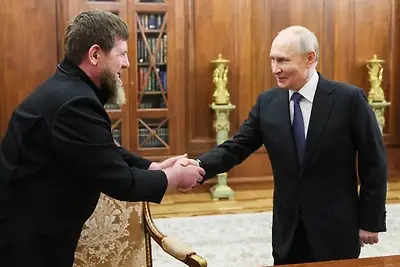
On Putin’s birthday, Kadyrov speaks of the "special significance" of his name for Chechnya
7 October 2026

Chechen leader Ramzan Kadyrov congratulated Vladimir Putin on his birthday and stated that the Russian president's name holds "special significance" for the Chechen people. According to Kadyrov, the region will "never forget" the support Putin extended to his father—Chechnya’s first president, Akhmat-Khadzhi Kadyrov—"at a time when the future of the Chechen Republic depended on the decisions being made."