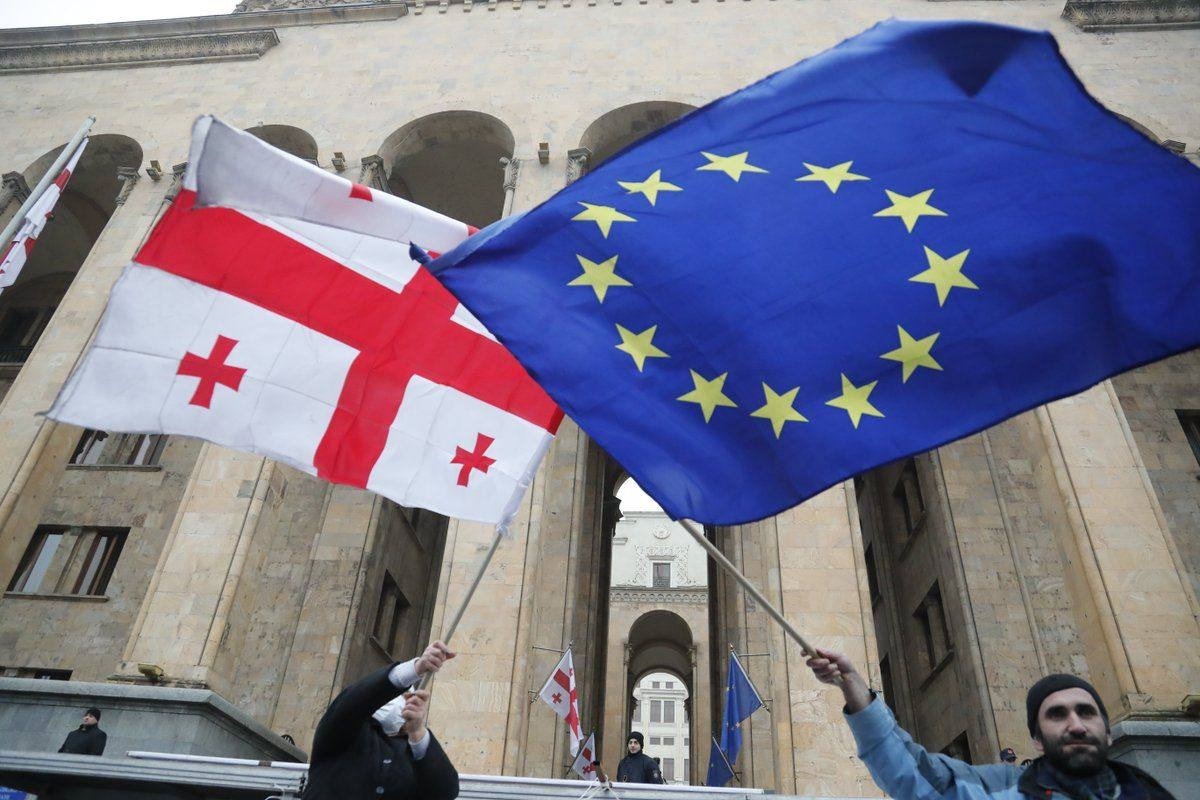
European politicians criticized the Georgian authorities for adopting a law on foreign agents
The adoption of the law on foreign agents will close Georgia's path to the EU and NATO. This forecast was made by Lithuanian Foreign Minister Landsbergis. However, according to him, the Georgian government still has a way out of the situation. To do this, the ruling party must completely withdraw the adopted law.
“The decision of the Georgian government in connection with the adoption of the law on the so-called. “foreign agents” is a step in the wrong direction and further distances Georgia from European and Euro-Atlantic integration. We call on Georgia to change course and respect the right to peaceful protest,” said NATO spokeswoman Farah Dahlalla.
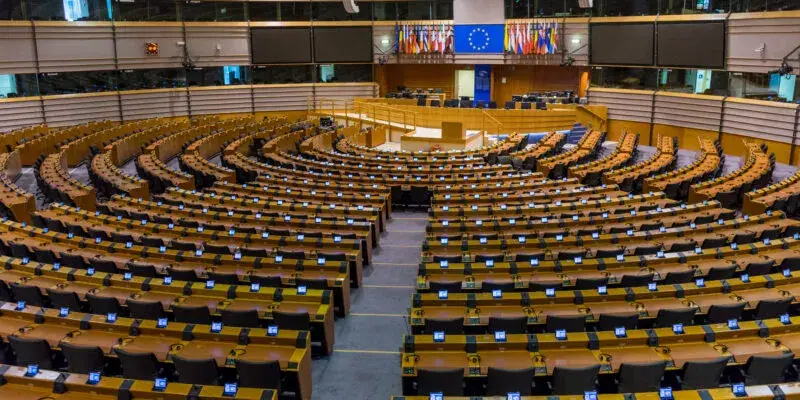
“The EU supports the Georgian people and their choice in favor of democracy and a European future. Intimidation, threats and physical violence against members of civil society, political leaders and journalists, as well as their families, are unacceptable. The adoption of this law will negatively affect Georgia's progress on its way to the EU. The choice of the future path is in your hands,” said the statement by the High Representative of the European Union for Foreign Affairs and Security Policy, Josep Borrell, and the European Commissioner for European Neighborhood and Enlargement Policy, Oliver Várhelyi.
The day before, the Georgian parliament passed the law on foreign agents in the third reading by a majority vote. He was supported by 84 deputies from the ruling Georgian Dream party and their allies, 30 opposition members voted against.
The Law on Transparency of Foreign Influence provides for registration in a separate register of non-profit legal entities and media outlets, more than 20% of whose income is received from abroad. Earlier, Georgian President Salome Zurabishvili said she would veto this decision, but parliament can override the presidential veto with a majority vote.
In addition, Salome Zurabishvili reported today that she spoke with the President of Ukraine Vladimir Zelensky. “I thanked the President for his solidarity and continued support of the Georgian people. Our common future is in Europe!” – she shared.