Ilham Aliyev: Our goal is not long-term, but permanent peace in the Caucasus

At a panel discussion in Davos, Ilham Aliyev stated that the establishment of peaceful relations between Baku and Yerevan is possible in the near future, provided there is a mutual desire for peace. He emphasized that the agreements already reached are yielding concrete results, including cooperation in the transportation of strategic cargo.

"Today, relations between Armenia and Azerbaijan are already developing into cooperation. We have lifted all restrictions on cargo transportation to Armenia. Moreover, we have begun supplying Armenia with critical goods, primarily petroleum products, on which this country is largely dependent. And this is a mutually beneficial situation. Therefore, I believe that through the joint efforts of Armenia and Azerbaijan, including civil society, we will achieve not just long-term, but permanent peace in the Caucasus. This is our goal," the head of state said in an interview with Euronews.

Aliyev noted that Baku no longer needs international mediation, which had previously proven ineffective. He said Azerbaijan had independently "taken matters into its own hands," restored its territorial integrity, and reached a peace agreement with Armenia.

"We are not just living in peace; we are enjoying this process," Aliyev said, adding that peace in the South Caucasus is becoming a reality thanks to the determination and political will of both sides.

The Azerbaijani leader emphasized that Baku and Yerevan "could have continued, but that would have led to endless wars, even greater suffering, and new victims."

"Then the war would never have ended. And someone had to stop it. We made the decision to stop. Yes, it was a joint decision by the leaderships of Armenia and Azerbaijan to close this chapter and seize the opportunity for peace," Ilham Aliyev concluded.

Последние новости
Disappearances, raids and torture: what Anna Politkovskaya wrote about the second Russian-Chechen war
Chronicle of Wars and Crimes
Disappearances, raids and torture: what Anna Politkovskaya wrote about the second Russian-Chechen war
7 October 2026

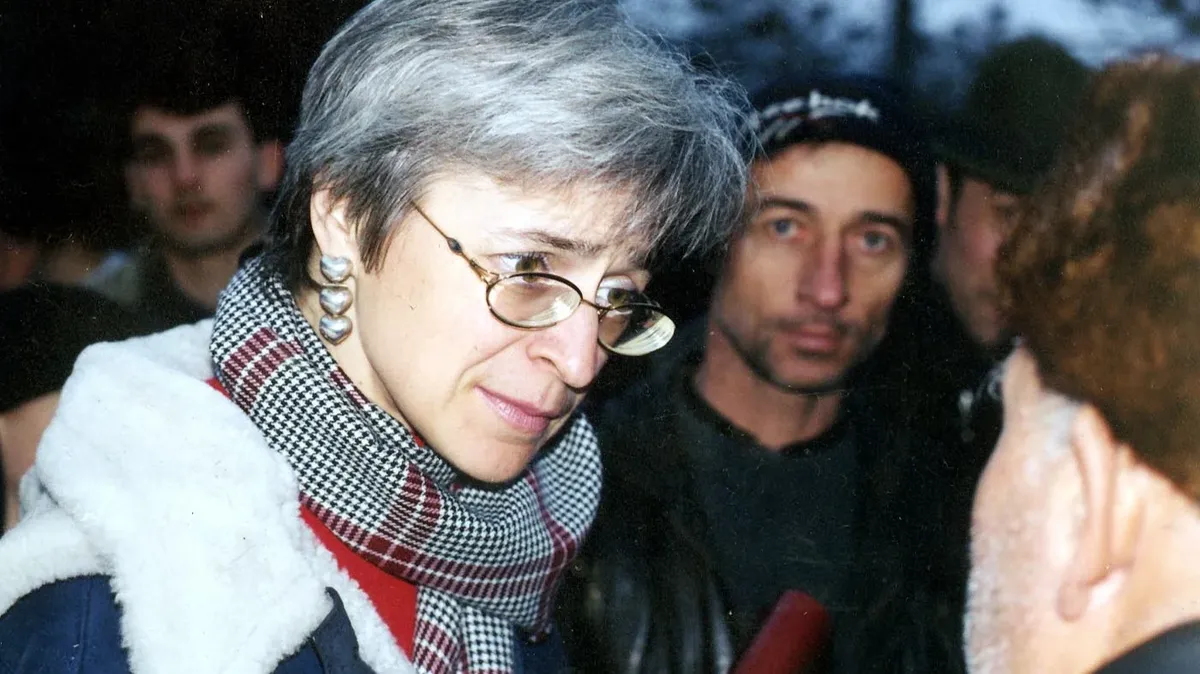
Anna Politkovskaya was killed on 7 October 2006. Her articles, written from behind Chechnya’s blood-soaked information wall and barbed wire, became a voice of truth — the truth about what residents of the republic were experiencing as they became a convenient and powerless collective victim of the global “fight against international terrorism”.

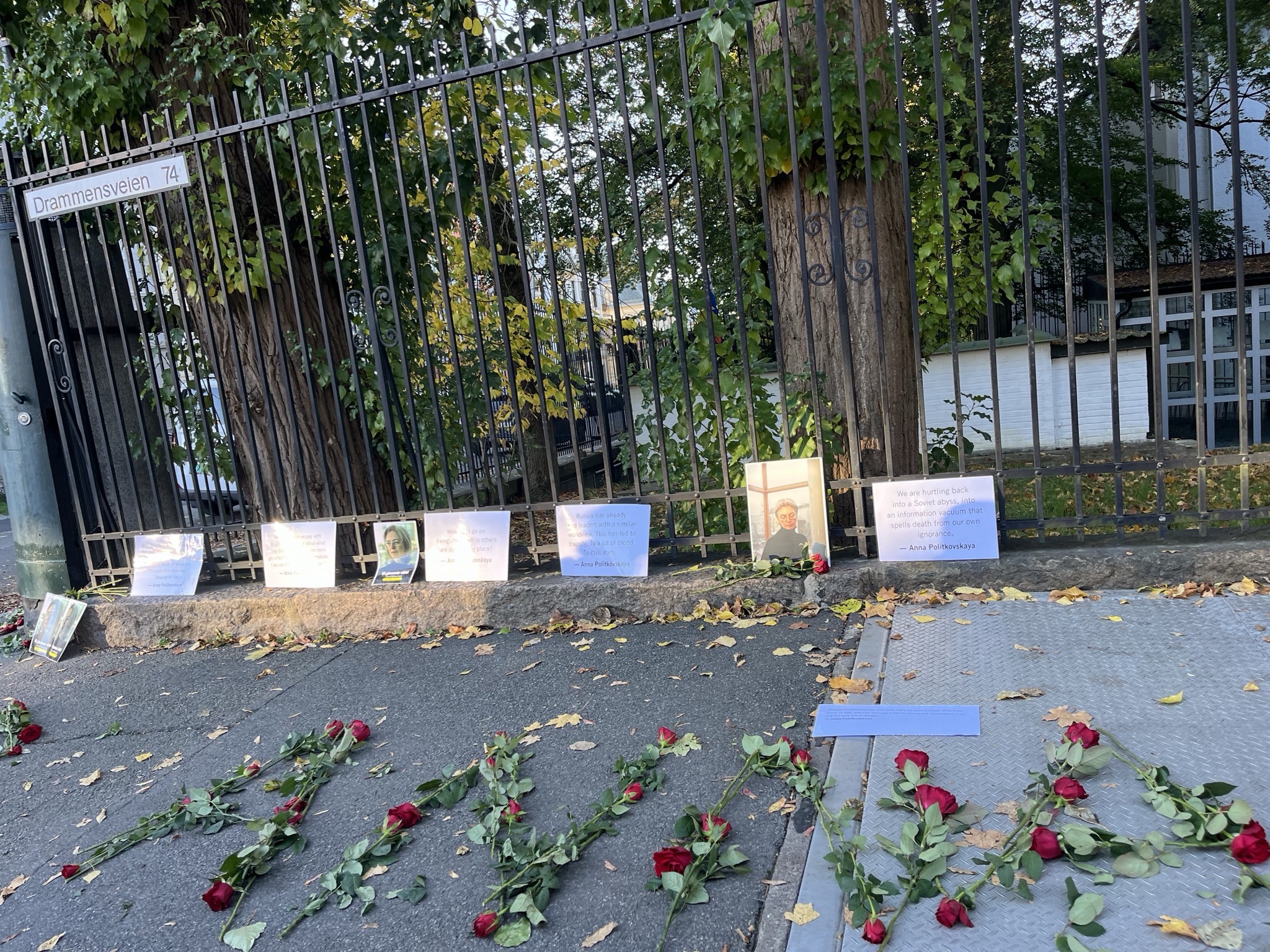
Anna Politkovskaya’s name laid out in flowers in Oslo
Human rights
Anna Politkovskaya’s name laid out in flowers in Oslo
7 October 2026

Memorial events for Anna Politkovskaya are taking place in countries around the world today, marking 20 years since the murder of the journalist, who spent many years reporting on the war in Chechnya and human rights violations.


European Parliament Demands Withdrawal of Lawsuit to Ban Opposition Parties in Georgia
Politics
European Parliament Demands Withdrawal of Lawsuit to Ban Opposition Parties in Georgia
7 October 2026

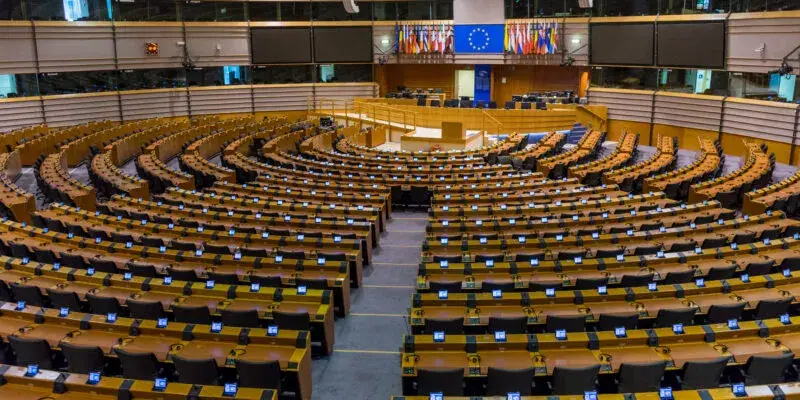
In a draft resolution, the European Parliament has called on Georgian authorities to immediately withdraw the constitutional lawsuit seeking to ban opposition parties. The document is set for a vote on October 8, following a debate on the country's political situation taking place in Strasbourg on October 7.

On Putin’s birthday, Kadyrov speaks of the
Politics
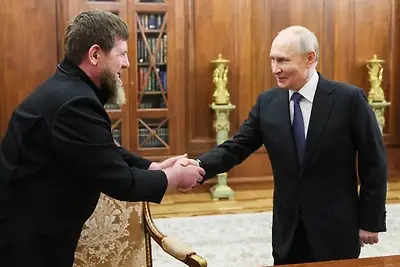
On Putin’s birthday, Kadyrov speaks of the "special significance" of his name for Chechnya
7 October 2026

Chechen leader Ramzan Kadyrov congratulated Vladimir Putin on his birthday and stated that the Russian president's name holds "special significance" for the Chechen people. According to Kadyrov, the region will "never forget" the support Putin extended to his father—Chechnya’s first president, Akhmat-Khadzhi Kadyrov—"at a time when the future of the Chechen Republic depended on the decisions being made."