Ivanishvili: The West offered the former Prime Minister of Georgia to start a war with Russia
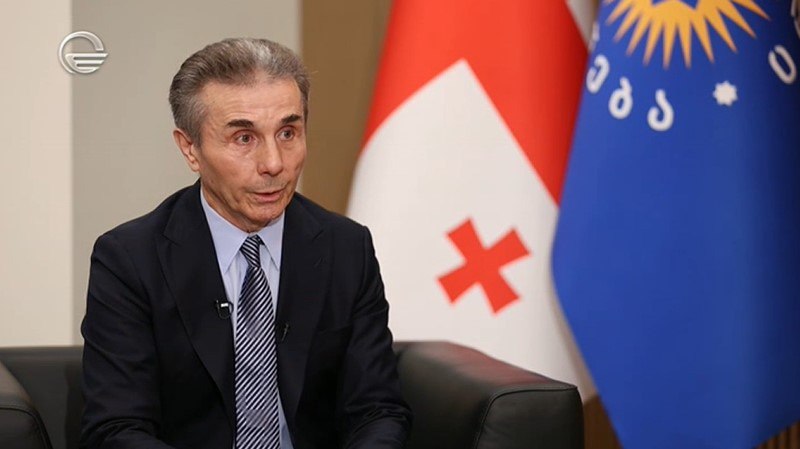
The West offered the former Prime Minister of Georgia Irakli Garibashvili to start a war with Russia. This was stated by the founder of the ruling party "Georgian Dream", oligarch, former citizen of the Russian Federation Bidzina Ivanishvili in an interview with the TV company "Imedi".
He noted that when the former Prime Minister asked "and for the sake of these 3-4 days are you destroying us?" the Western representative replied: "So there are 3-4 million of you. They won't kill everyone in 3-4 days. Then you can start a guerrilla movement in the forest. We will help you, and you will fight from there."
Ivanishvili added that it was after this incident that the ruling party began to act more harshly against such calls. According to him, blackmail, sanctions and punishments from the West did not work and gave the opposite result - society supports the ruling force even more.
"Today, there is real democracy in Georgia, the democracy that, unfortunately, Europe lacks today. The entire Georgian Dream team is focused, tough, aggressive. We are not attacking anyone, we want to preserve our country, we want to live in this country, we want our children to be able to live in this country," Ivanishvili said.
As parliamentary elections in Georgia approach, Western politicians are increasingly accusing its authorities of deviating from the course of European integration and rapprochement with Russia. The ruling party calls such accusations interference in the country's internal affairs, explaining them as an attempt to influence the election results. The main confrontation will unfold between the ruling Georgian Dream and the opposition. The ruling party accuses the latter of destabilizing the situation in Georgia, attempting to stage a coup d'etat and drag the country into war.
Georgian President Salome Zurabishvili openly criticizes the policies of the ruling Georgian Dream party, noting that “its pro-Russian orientation is becoming more and more obvious with each passing day.”