Most often, the word “halal”, which means “permissible” in Arabic, is used in relation to food, especially when discussing the suitability of a particular type of meat for Muslims. At the same time, halal is also a huge certification industry that is developing both in Russia and around the world. Today, in supermarkets and markets, you can find far more than just meat bearing the halal mark: manufacturers of sunflower oil, dairy products, and even manufacturers of bottled water mark their products this way. But in addition to food and non-food products, the effect of the halal logo can also be seen in the service sector - in addition to cafes, the registers of certified enterprises include hotels, sanatoriums, medical centers and even financial service providers.
Researchers call this global process of massive expansion of certification of goods and services “halalization.” The point is that halal certification fits well into a market economy. It stimulates demand by making products more visible and recognizable to Muslims, and also influences supply by giving manufacturers a clear way to attract potential customers. Judging by the reports of standardization committees, halal certification is also growing in the Russian Federation. However, behind this general growth, one can see atypical scenarios that differ from those described by sociologists in other parts of the world.
The main providers of halal certification in Russia are special certification centers that offer everyone, for a fee, to receive confirmation that the products they produce do not contain haram components (for example, pork) or that, say, a given store does not sell alcohol. The work of the center’s staff is to prepare instructions explaining what it means to “comply with the canons of Islam” in each specific case, be it for a confectionery shop, medical services, obstetrics (there is such a thing!). Employees also assess production conditions and carry out regular supervision. The difference between their competence and the qualifications of employees of other standardization centers, for example, those that issue certificates of the absence of GMOs (genetically modified organisms), is that the experts called upon to issue a halal certificate must have religious knowledge. The corresponding standard, that is, a bureaucratic scheme that was included in more general state technical regulation schemes for everything, was developed in 2002. In the 2010s, the official number of centers that had the right to issue such a certificate was about 50 (it is difficult to say how many of them in reality regularly worked with halal standards).
However, not everything went smoothly in the development of this industry. Over the past decade, several incidents have occurred on this basis. The most famous of them is the lawsuit against the Tsaritsyno meat processing plant, in whose products an examination discovered pork components. A big fuss arose in connection with legal proceedings and the revocation of the company's halal certificate. The most significant consequence of this scandal is the wariness that has arisen in relation to private certification companies, the number of which has sharply decreased. Researchers believe that such public scandals were needed primarily to eliminate competitors and reduce the number of organizations entitled to issue halal certificates. Today, almost exclusively those halal committees that are affiliated with the spiritual administrations of Muslims of different regions and levels operate in this area.
A logical question immediately arises: who needs certification at all? Ordinary Muslims, quite rightly, express skepticism regarding some certified products. "What's next? Will the air be certified? -- you can often see similar comments to the advertising of another new brand with the “halal” logo. Against the backdrop of the monopolization of religious certification by religious administrations of Muslims, it can be noted that consumer trust still relies more on the reputation of specific people - suppliers of goods, local manufacturers, than on the presence or absence of a certificate. That is, it is paradoxical that as the huge halal certification infrastructure in the Russian Federation grows, distrust of official structures on the part of consumers becomes increasingly obvious. As a result, it turns out that today the main player in the field of halalization is the state.
In a situation where, due to international sanctions, Russian enterprises have lost part of the sales market, the halal industry becomes a saving grace, expanding the number of potential exporters of products produced in the country. This can be judged by the interest in the international economic forum “Russia - Islamic World”, which is held annually in Kazan and includes the Halal Expo exhibition. Thus, in May 2023, about 15 thousand people representing 84 countries took part in the forum. For comparison: in 2021, 64 participating countries were announced, and delegates from 24 countries participated in the second summit in 2010.
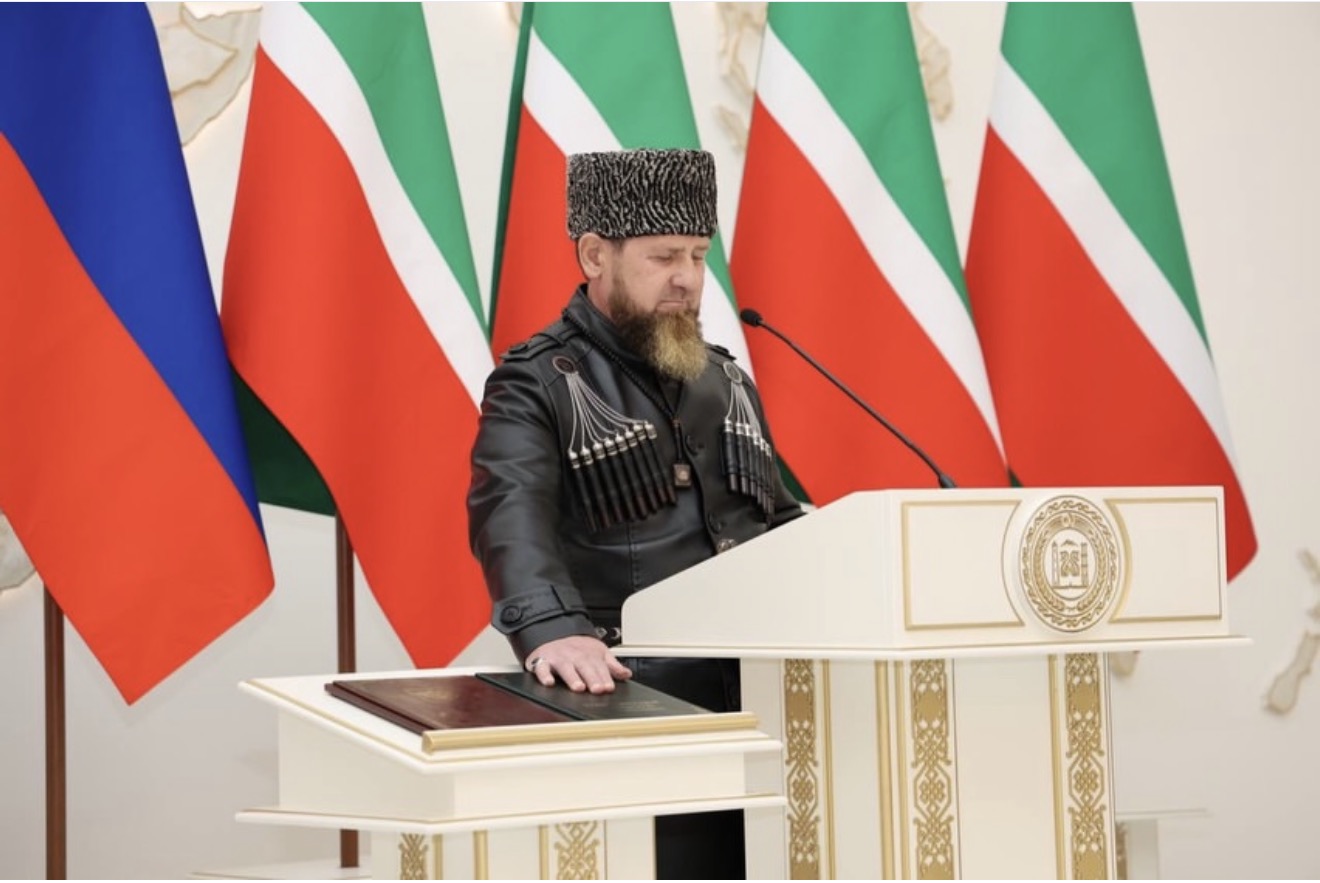
The introduction of Islamic finance - so far in a trial mode - in four republics: Bashkortostan, Dagestan, Tatarstan and Chechnya can also be regarded as a development of the trend towards halalization in Russia. Unlike many experiments that have been carried out over the past thirty years by financial institutions (in particular, the proposal of Islamic insurance or an alternative to mortgage lending), the current project has a very significant and visible government lobby. Back in July 2023, the State Duma adopted a law through which the state regulates (that is, not just gives permission, but also takes control) Islamic banking, including already existing initiatives.
The three years allotted for the experiment will show how successfully the state will be able to gain access to the savings of Muslims in this manner.
Maria Vyatchina