Russian law enforcement agencies have claimed that members of the Batalkhadzhin Sufi community were linked to the Caucasus Emirate*, a militant Islamist organisation. Human rights advocates, however, have questioned the allegations, noting that the group effectively ceased to exist more than a decade ago and that publicly available case materials contain little evidence of specific acts of support for militants.
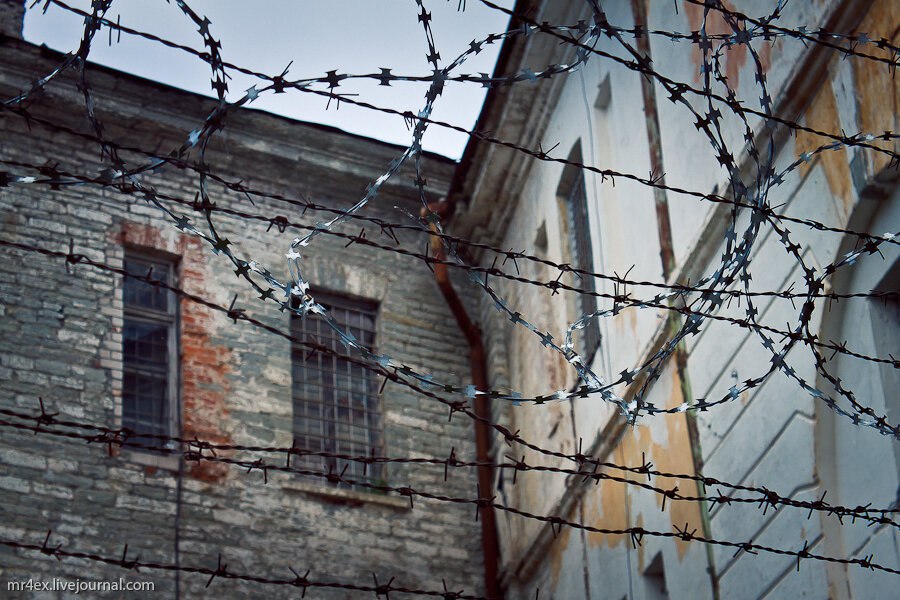
Prisoners in the Vladimir Central prison do not receive letters due to the lack of a censor. This was reported by the wives of Crimean Tatars Seitumer Seitumerov and Amet Suleimanov.
For more than two months, the women could not contact their husbands either by phone or in writing. When they arrived from Crimea to the Vladimir region for visits, they were told that the problem was due to the lack of a censor.
In October 2021, the Southern District Military Court in Rostov-on-Don sentenced Amet Suleimanov to 12 years, and Seitumer Seitumerov to 17 years in prison for ties to the Islamic party Hizb ut-Tahrir, banned in the Russian Federation. They were found guilty of participating in a terrorist organization (Part 2 of Article 205.5 of the Criminal Code) and preparing for the violent seizure of power.
Human rights activists note that party members are sentenced to real terms only on the basis that they met in apartments, read religious literature and recruited new members.