Lavrov: Russia is ready to facilitate Georgia's reconciliation with Abkhazia and South Ossetia
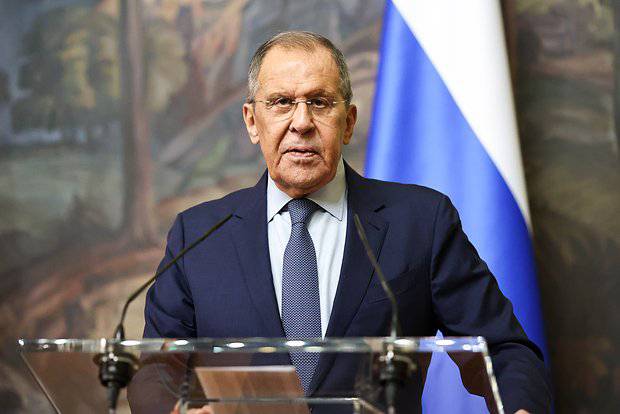
The current Georgian leadership is honestly assessing the past. It said that it wants historical reconciliation. In what form - this is for the countries to decide themselves. Russia is ready to facilitate this. This was stated by the head of the Russian Foreign Ministry Sergey Lavrov.
"Abkhazia and South Ossetia are neighbors with Georgia, some contacts there are inevitable anyway. If there is interest from all sides in normalizing these relations, ensuring non-aggression agreements. If the parties are interested, we will be ready to help," Lavrov said at a press conference following participation in the 79th session of the UN General Assembly.
The leader of the opposition party "Lelo for Georgia" and the election coalition "Strong Georgia" Mamuka Khazaradze responded to Lavrov's statement, calling the ruling party "Georgian Dream" "the Russian government in Georgia".
"This is a typical provocation by the Russian Federation, which is especially evident during elections. Such a statement allegedly helps the "Georgian Dream" create euphoria, as if Russia will return something or settle something. We must say directly that Russia is an occupier, Russia has taken away not only our territories, but also the lives of people. Today, it is waging a bloody battle and war against Ukrainians. Therefore, until all this is destroyed - lying propaganda and people who still believe in some illusions, we will not have any progress here," Khazaradze said.
On September 14, the founder of Georgia's ruling party "Georgian Dream", billionaire Bidzina Ivanishvili accused external forces and former President Mikheil Saakashvili of initiating the Russian-Georgian war of 2008. He stated the need to apologize for the fact that "the traitorous government of those years engulfed our Ossetian brothers and sisters in flames."
In August 2008, military actions were conducted between Georgia and the Russian Federation and the self-proclaimed republics of South Ossetia and Abkhazia supported by it (the "Five-Day War", or the Russian-Georgian War). They ended after the signing of a ceasefire agreement mediated by the EU.