Imprisoned Georgian journalist awarded EU's highest human rights award

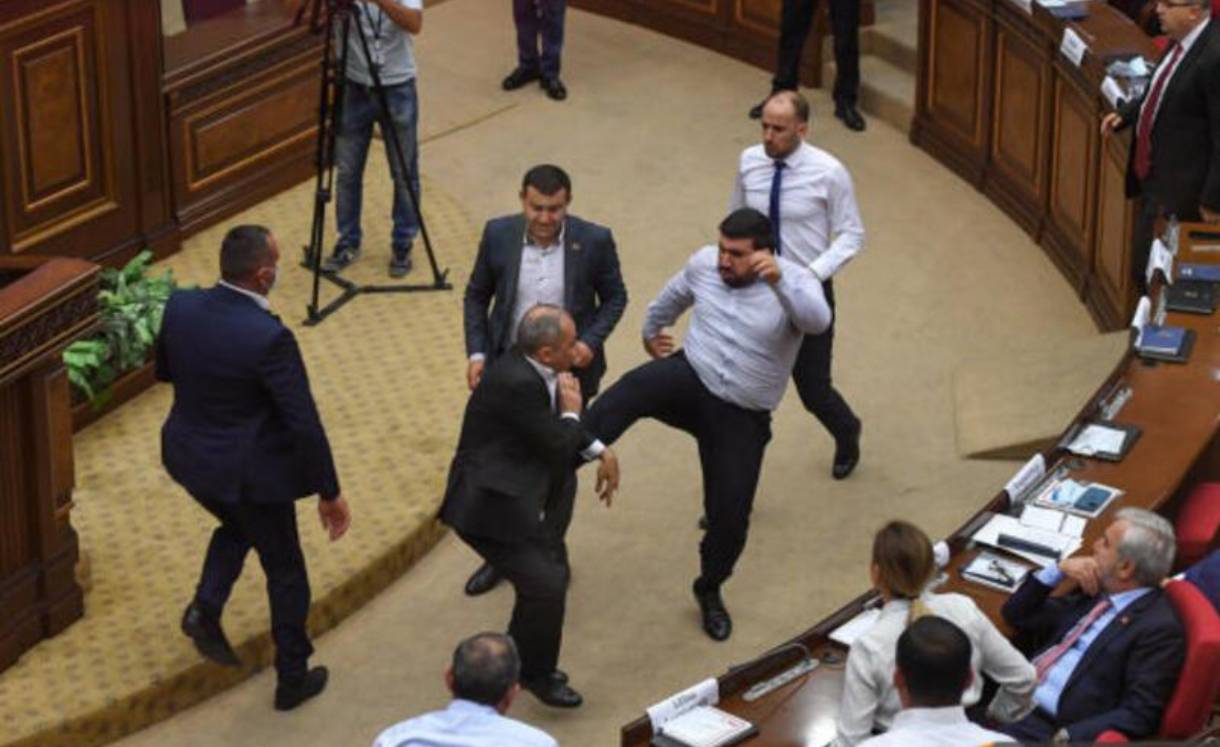
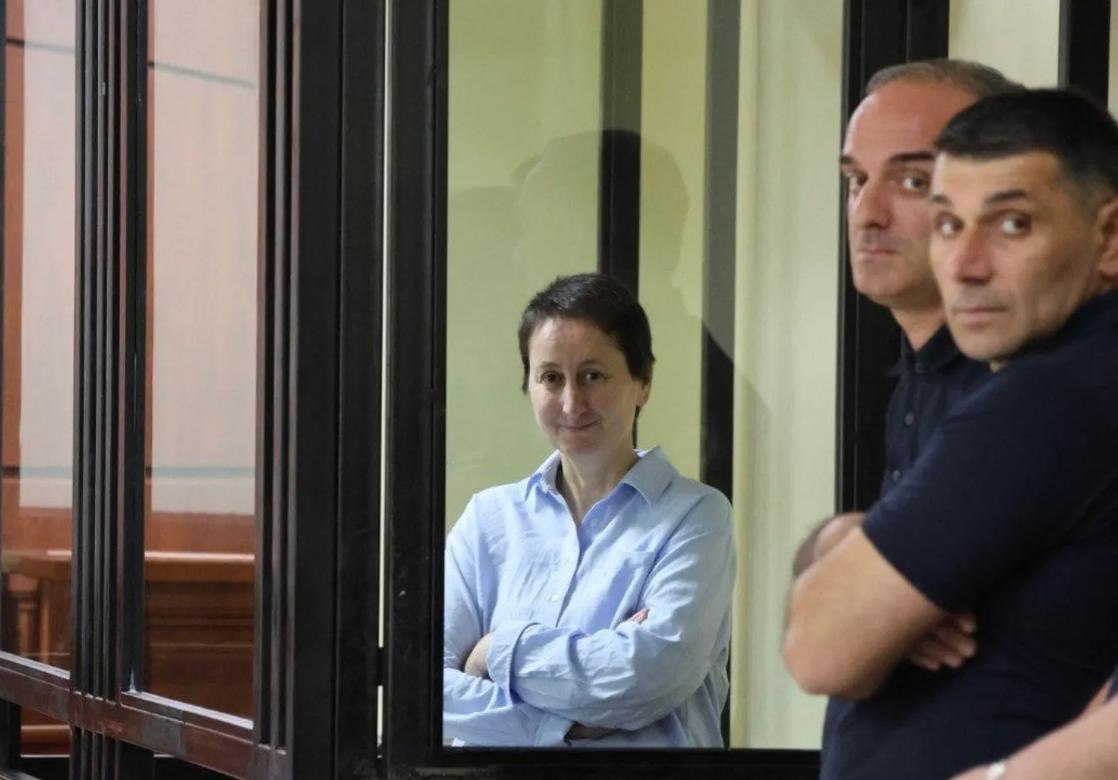
Mzia Amaglobeli, founder of the publications Batumelebi and Netgazeti, who is serving time in Georgia, has been awarded the European Union's highest human rights award, the Sakharov Prize. She also received the same honor from Belarusian journalist Andrzej Poczobut. The €50,000 prize will be presented in absentia to the laureates in Strasbourg on December 16.

In addition to the winners, the nominees included Serbian students who have been protesting against the government in Belgrade for over a year, as well as journalists and humanitarian workers in Palestine.

The Sakharov Prize for Freedom of Thought, named after the Russian scientist and dissident Andrei Sakharov, was established by the European Parliament in 1988. It is awarded annually to individuals or public organizations that have distinguished themselves in the protection of human rights and fundamental freedoms.

Georgia's fifth president, Salome Zurabishvili, congratulated Mzia Amaglobeli on receiving the award. On the social media platform X, she wrote that "this recognition is a tribute not only to her voice, but also to the spirit of a free and dignified Georgia – a country determined to continue the fight for a European future."

In August of this year, the Batumi City Court sentenced the journalist to two years in prison. She was found guilty under Article 353 of the Criminal Code of Georgia, which pertains to resisting, threatening, or using violence against a law enforcement officer or other public official. Penalties under this article range from a fine and house arrest to a prison term of two to six years.

Following the verdict, 24 diplomatic missions issued a unified statement, including those of EU countries, the United Kingdom, and Canada, as well as the embassies of Ukraine, Norway, Iceland, and other countries that are members of the Media Freedom Coalition. The ambassadors' statement emphasized that Amaglobeli's sentence was "disproportionate and politicized." They also noted that her prolonged pretrial detention had negatively impacted her health, particularly her vision.
Последние новости
Opposition protest, resignation, and Pashinyan’s return: Armenia’s new parliament begins work
Politics
Opposition protest, resignation, and Pashinyan’s return: Armenia’s new parliament begins work
2 August 2026

The inaugural session of the ninth convocation of Armenia’s National Assembly took place in Yerevan. The new parliament began its work with a political protest: during the swearing-in ceremony, opposition representatives refused to stand or recite the oath, whereas deputies from the ruling party stood while doing so. That same day, Nikol Pashinyan’s government resigned, in accordance with the Constitution.

North Ossetian Police Launch Inquiry Into Threats Against Women Linked to Telegram Channel
Society
North Ossetian Police Launch Inquiry Into Threats Against Women Linked to Telegram Channel
1 August 2026

Police in Russia's North Ossetia have launched an inquiry following a campaign of online harassment targeting women through the Telegram channel Kavkazskaya Obshchina ("Caucasian Community"). The channel's administrators published women's personal information, insulted them and issued threats of violence over behaviour they claimed violated Caucasian traditions. 

Human Rights Advocates Question Investigators' Claims Linking Batalkhadzhins to the Caucasus Emirate
News
Human Rights Advocates Question Investigators' Claims Linking Batalkhadzhins to the Caucasus Emirate
1 August 2026

Russian law enforcement agencies have claimed that members of the Batalkhadzhin Sufi community were linked to the Caucasus Emirate*, a militant Islamist organisation. Human rights advocates, however, have questioned the allegations, noting that the group effectively ceased to exist more than a decade ago and that publicly available case materials contain little evidence of specific acts of support for militants.

Threat of Muslim Alkhazov's Deportation From Germany Raises Fresh Concerns Over the Status of Chechen Asylum Seekers in Europe
Human rights
Threat of Muslim Alkhazov's Deportation From Germany Raises Fresh Concerns Over the Status of Chechen Asylum Seekers in Europe
1 August 2026

Germany's decision to deport Chechen-born Muslim Alkhazov despite claims by his legal team that his family has been persecuted has sparked renewed concern among Chechen human rights advocates and members of the diaspora across Europe. They argue that the case could signal an emerging shift in how European authorities assess asylum claims filed by people from Chechnya.