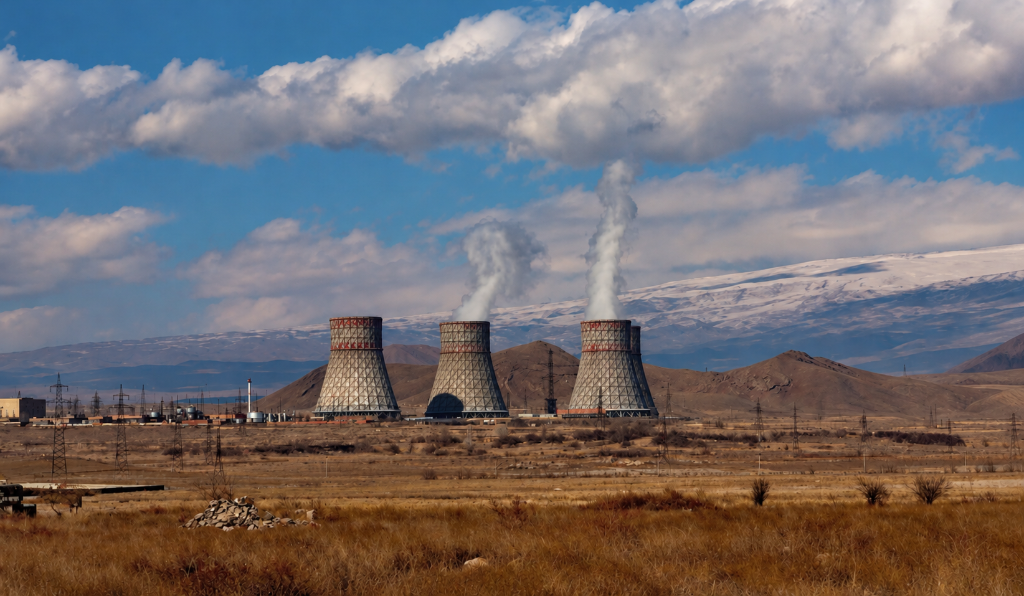
Georgian Dream representatives did not go to the memorial to honor the memory of the victims of the dispersal of a peaceful rally by Soviet troops

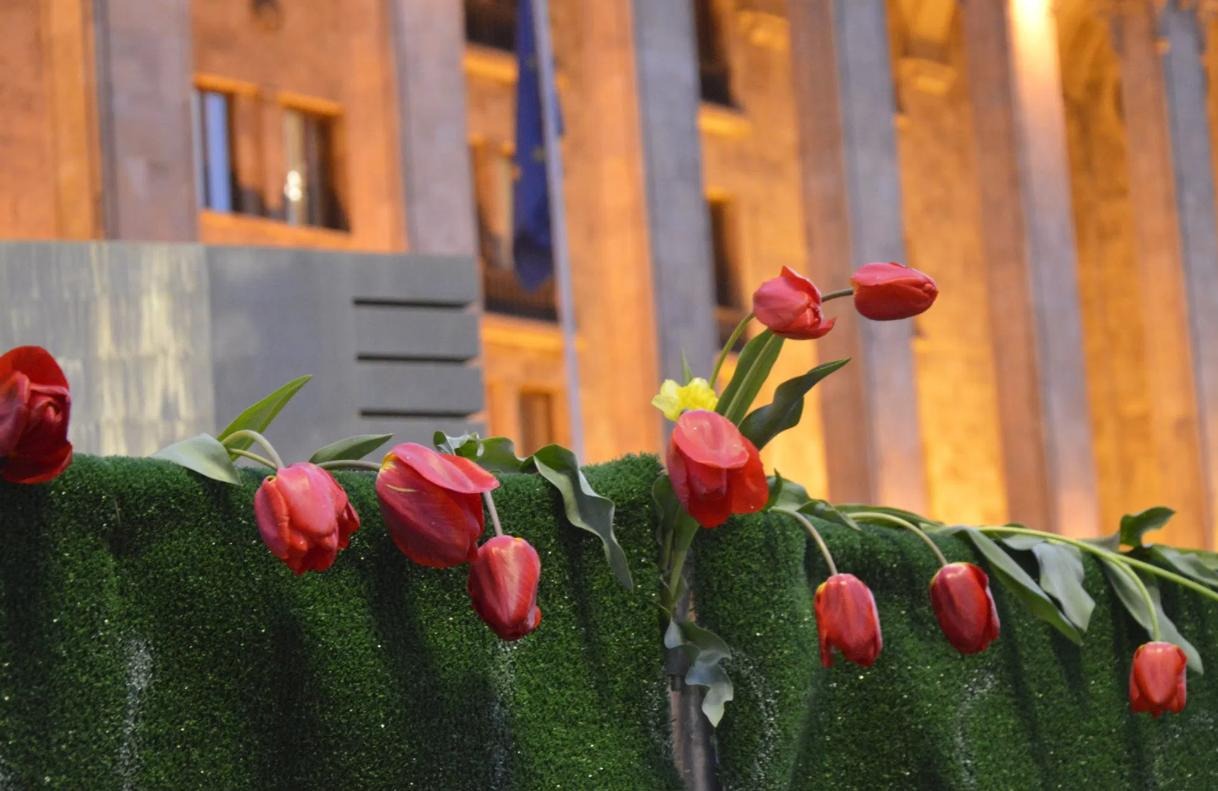
On April 9, Georgia celebrates the Day of National Unity, Civil Accord, and Remembrance of the Victims. We are talking about 20 citizens who became victims of the dispersal of a peaceful rally by Soviet troops exactly 36 years ago. This year, Georgian Prime Minister Irakli Kobakhidze, sixth President Mikheil Kavelashvili, and representatives of the executive and legislative branches did not go with the traditional wreaths to the April 9 memorial on Rustaveli Avenue, where participants in pro-European protests had gathered. Instead, high-ranking officials took part in a memorial service for the souls of the victims in Sameba Cathedral.

Kobakhidze compared the actions of current foreign forces to the KGB, claiming that they are also trying to split Georgia. The Prime Minister believes that these evil forces are "Deep State using the European Union and the United States", but "Georgian Dream", in his opinion, will not allow them to complete their plans.

The fifth President of Georgia, Salome Zurabishvili, in turn, honored the memory of the victims of the tragedy of April 9, 1989 with a minute of silence. With this, she began her speech to the Czech Parliament, the key message of which was an appeal to the EU to impose sanctions against "Georgian Dream".

"Now, 36 years later, on the same day and in the same place where blood was shed for freedom, Georgians have taken to the streets again.
... For more than 140 days, they have been peacefully protesting against the silent turn away from democracy and independence," Zurabishvili said.

She emphasized that the manifestation of "Russia's hybrid war" taking place in Georgia is not only a Georgian crisis, but also a "European challenge".

"What Russia could not achieve with tanks, it is trying to achieve with hybrid forces. This does not require an army, it requires three components: electoral manipulation, disinformation-propaganda and an oligarch who seizes systems. If this hybrid approach works in Georgia, it can be repeated in other countries," Salome Zurabishvili warned.
Последние новости
Georgia again rejected calls to join anti-Russian sanctions
Politics
Georgia again rejected calls to join anti-Russian sanctions
25 February 2026

Georgian Prime Minister Irakli Kobakhidze criticized Brussels' demands to join sanctions against Russia. He said these calls were inappropriate, given that the EU itself is a major importer of Russian products.

Ruben Vardanyan Drops Appeal Against 20-Year Sentence in Azerbaijan
Human rights
Ruben Vardanyan Drops Appeal Against 20-Year Sentence in Azerbaijan
25 February 2026

Billionaire and former Nagorno-Karabakh state minister Ruben Vardanyan, sentenced in Baku to 20 years in prison, rejected the legal force of the ruling and dropped his appeal. His family explained that this decision stemmed from the fact that, in their view, the trial was a "staged performance" rather than a proper trial: the hearings were held behind closed doors, without access to independent observers, and the prosecution's motions were ignored. The full text of the verdict was also not released.

Azerbaijani political prisoners appeal to the European Commission to address human rights in the country
Human rights
Azerbaijani political prisoners appeal to the European Commission to address human rights in the country
25 February 2026

A group of imprisoned activists and journalists from Baku's Penal Colony No. 2 has appealed to the President of the European Commission. They demand the implementation of European Parliament resolutions calling for the release of Azerbaijani political prisoners.

Chechnya Leads in Lowest Alcohol Sales
Economy
Chechnya Leads in Lowest Alcohol Sales
25 February 2026

In 2025, residents of the North Caucasus regions consumed the least amount of hard liquor in Russia. The lowest official retail sales figures were recorded in Chechnya (0.01 liters per capita). Other republics of the North Caucasus Federal District also demonstrated modest figures: Ingushetia - 0.7 liters, Dagestan - 2.2 liters, Kabardino-Balkaria - 2.6 liters, North Ossetia - 3 liters, and Karachay-Cherkessia - 3.4 liters. Experts attribute this decline to the prevalence of cultural and religious restrictions, as well as a preference for low-alcohol beverages.