The Georgian Prime Minister emphasized the pro-European vector of the government and the absence of diplomatic relations with the Russian Federation

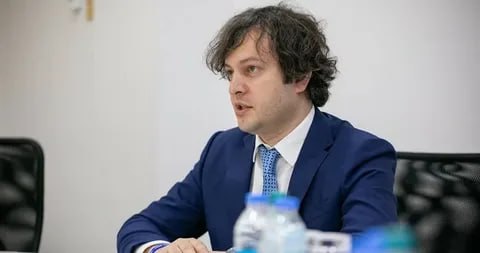
The Georgian government is clearly pro-European, because the Constitution defines European integration as a priority of the country's foreign policy. This was stated by the Prime Minister of Georgia Irakli Kobakhidze.

He recalled that 20% of Georgia's territory is occupied by the Russian Federation, as an explanation for the fact that there are no diplomatic and political relations between the countries. According to Kobakhidze, the dialogue between the parties mainly concerns humanitarian issues, trade and economics.

The Georgian Prime Minister also commented on the accusations from the opposition and the EU of adopting "pro-Russian laws".

"If someone convinces us that the law on transparency of foreign influence or any other law does not comply with legal principles or the European spirit, we are ready to reconsider any decision. When someone uses finances from abroad and tries to encourage a revolution in Georgia, we believe that their financing should be completely transparent," Kobakhidze emphasized.

Western politicians are increasingly accusing Georgia of deviating from the course of European integration. Some diplomats directly call the country's authorities pro-Russian. In particular, the law "On the transparency of foreign influence" adopted by the Georgian government was perceived by the West as an analogue of the Russian legislation "on foreign agents", which contradicts European values. At the same time, Georgia officially strives to join the EU and maintains relations with NATO. The ruling party calls the statements of the leaders of European countries interference in the country's internal affairs.
Последние новости
Disappearances, raids and torture: what Anna Politkovskaya wrote about the second Russian-Chechen war
Chronicle of Wars and Crimes
Disappearances, raids and torture: what Anna Politkovskaya wrote about the second Russian-Chechen war
7 October 2026

Anna Politkovskaya was killed on 7 October 2006. Her articles, written from behind Chechnya’s blood-soaked information wall and barbed wire, became a voice of truth — the truth about what residents of the republic were experiencing as they became a convenient and powerless collective victim of the global “fight against international terrorism”.

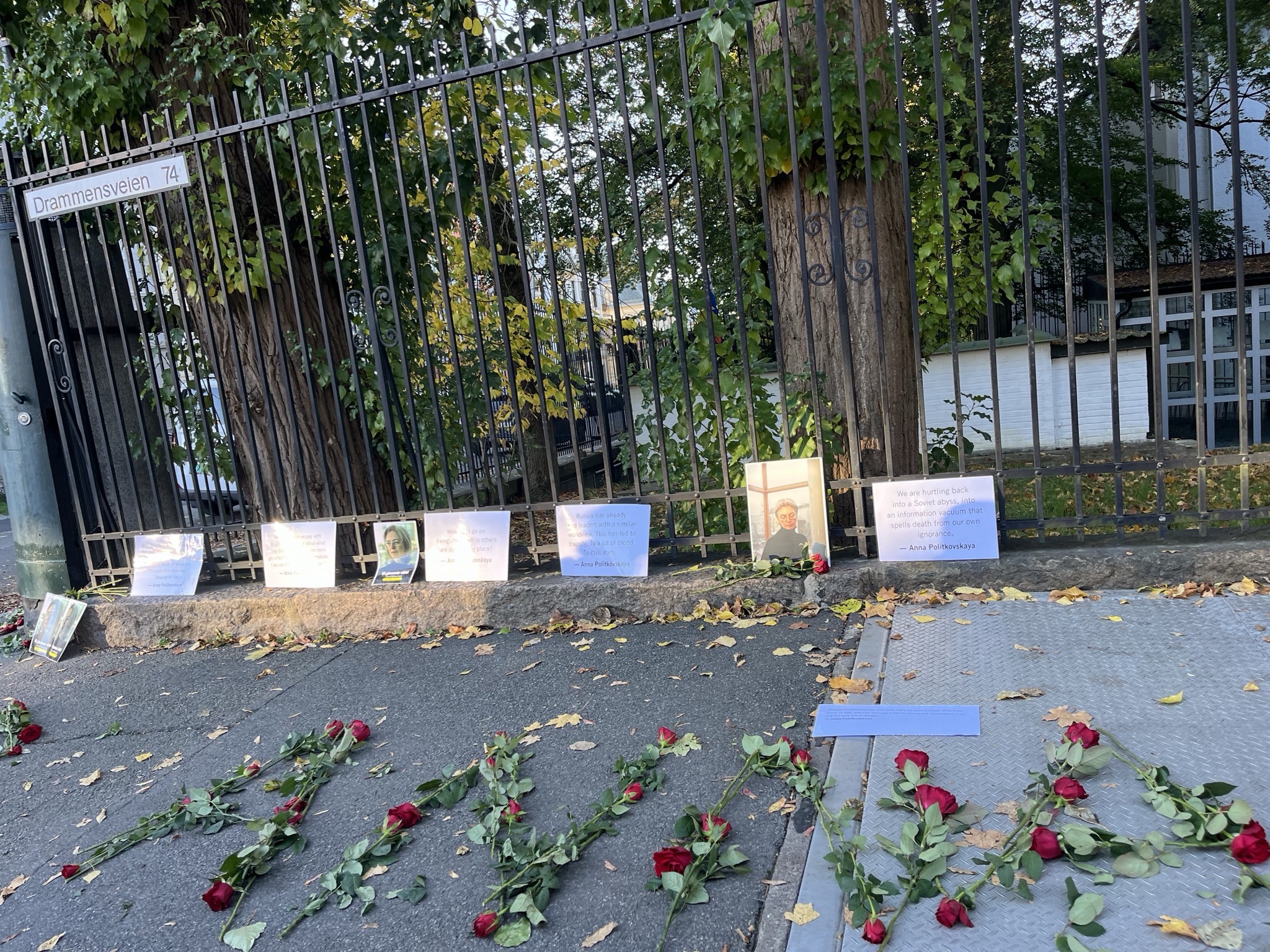
Anna Politkovskaya’s name laid out in flowers in Oslo
Human rights
Anna Politkovskaya’s name laid out in flowers in Oslo
7 October 2026

Memorial events for Anna Politkovskaya are taking place in countries around the world today, marking 20 years since the murder of the journalist, who spent many years reporting on the war in Chechnya and human rights violations.


European Parliament Demands Withdrawal of Lawsuit to Ban Opposition Parties in Georgia
Politics
European Parliament Demands Withdrawal of Lawsuit to Ban Opposition Parties in Georgia
7 October 2026

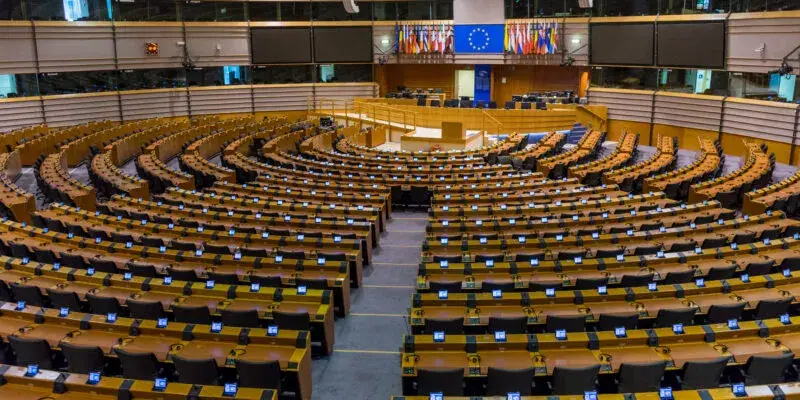
In a draft resolution, the European Parliament has called on Georgian authorities to immediately withdraw the constitutional lawsuit seeking to ban opposition parties. The document is set for a vote on October 8, following a debate on the country's political situation taking place in Strasbourg on October 7.

On Putin’s birthday, Kadyrov speaks of the
Politics
On Putin’s birthday, Kadyrov speaks of the "special significance" of his name for Chechnya
7 October 2026

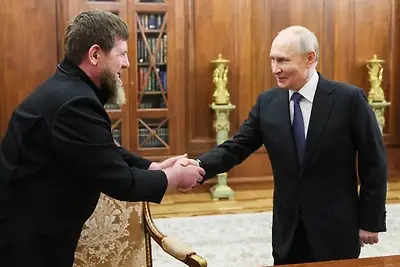
Chechen leader Ramzan Kadyrov congratulated Vladimir Putin on his birthday and stated that the Russian president's name holds "special significance" for the Chechen people. According to Kadyrov, the region will "never forget" the support Putin extended to his father—Chechnya’s first president, Akhmat-Khadzhi Kadyrov—"at a time when the future of the Chechen Republic depended on the decisions being made."