A native of Dagestan sentenced to five years has been recognized as a political prisoner

The human rights project "Memorial" has recognized a pensioner from St. Petersburg, 67-year-old native of Dagestan Magomedgadzhi Rabadanov, as a political prisoner. In April, he was sentenced to five years in prison for "attempted cooperation with the Main Intelligence Directorate of the Ministry of Defense of Ukraine" (Article 275.1. of the Criminal Code "Cooperation on a confidential basis with a foreign state, international or foreign organization").

According to the investigation, the pensioner approached the Main Intelligence Directorate of the Ministry of Defense of Ukraine with a proposal to transfer some information and perform actions that "could contribute to the military defeat of the Russian Federation." Allegedly, employees of the Russian special services found out about this, and all of Rabadanov's meetings and correspondence took place under their supervision. He himself claims that the security forces simply set him up and organized remote access to all of his electronic devices.

According to human rights activists, the article on “confidential cooperation” criminalizes any communication between Russian citizens and foreigners and allows for punishment for the alleged intent to assist.

“Even if Rabadanov had really corresponded with Ukrainian intelligence, the threat of these actions to the security of the Russian Federation would not have been obvious. Most likely, his “contact with the GUR” was initially the result of a provocation, as often happens in such cases. At the same time, the man did not have time to commit any actions within the framework of “cooperation with a foreign state,” so in any case he could not have been charged with a completed crime,” Memorial emphasizes.

Последние новости
Disappearances, raids and torture: what Anna Politkovskaya wrote about the second Russian-Chechen war
Chronicle of Wars and Crimes
Disappearances, raids and torture: what Anna Politkovskaya wrote about the second Russian-Chechen war
7 October 2026

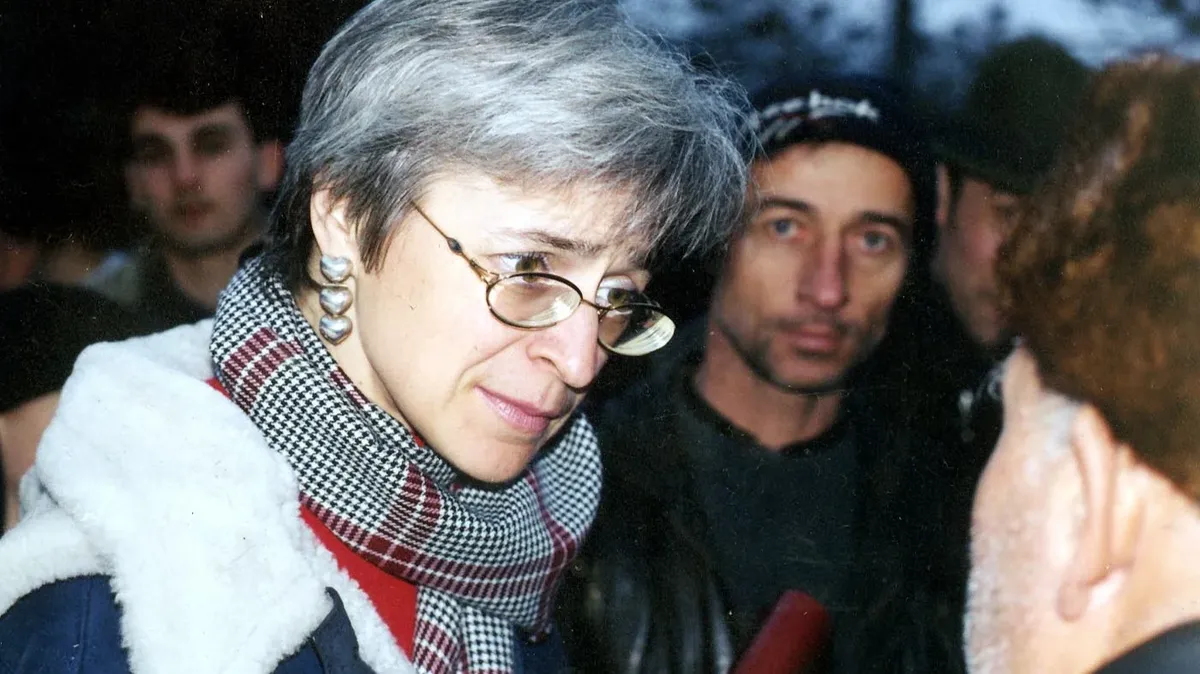
Anna Politkovskaya was killed on 7 October 2006. Her articles, written from behind Chechnya’s blood-soaked information wall and barbed wire, became a voice of truth — the truth about what residents of the republic were experiencing as they became a convenient and powerless collective victim of the global “fight against international terrorism”.

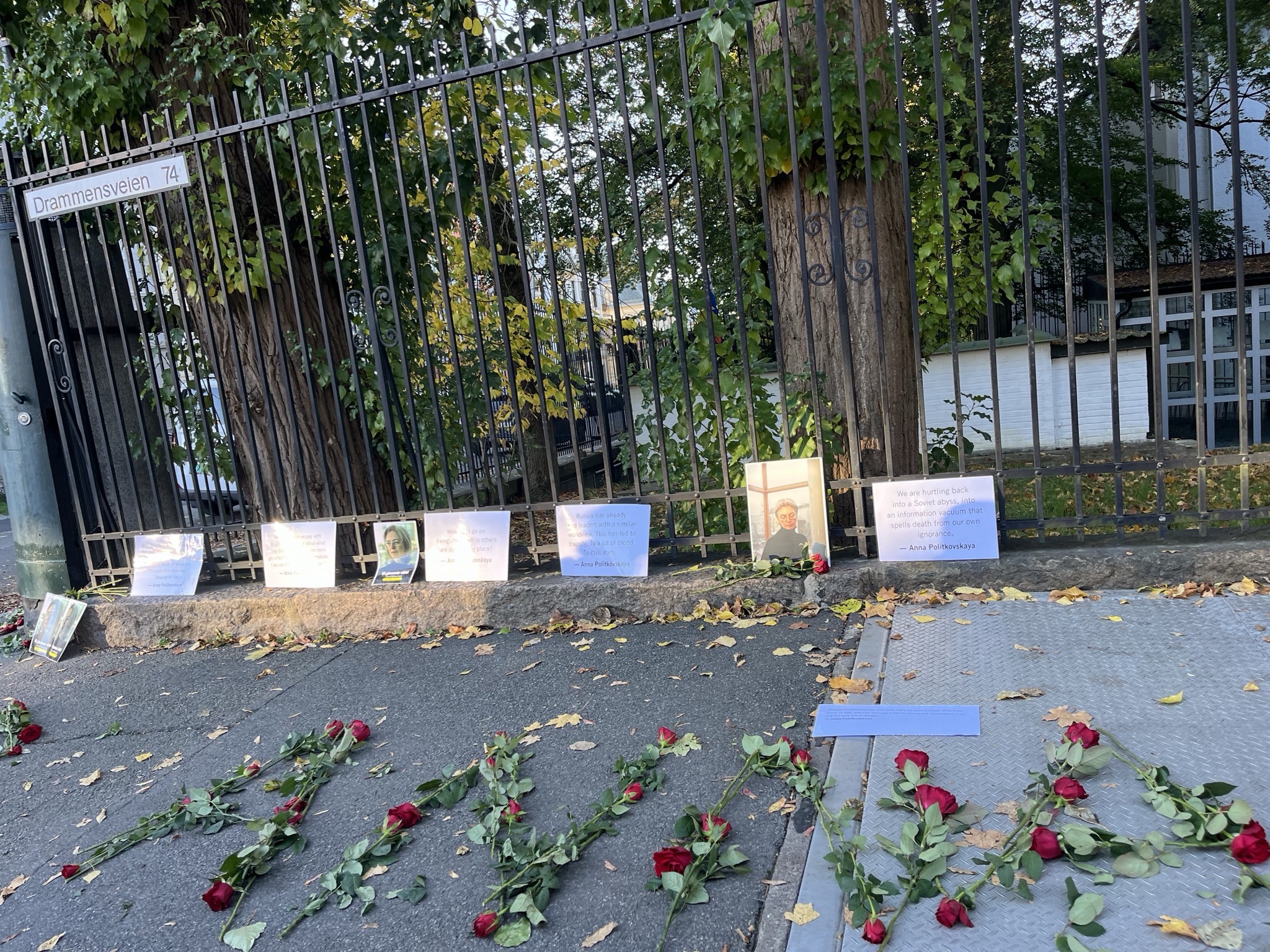
Anna Politkovskaya’s name laid out in flowers in Oslo
Human rights
Anna Politkovskaya’s name laid out in flowers in Oslo
7 October 2026

Memorial events for Anna Politkovskaya are taking place in countries around the world today, marking 20 years since the murder of the journalist, who spent many years reporting on the war in Chechnya and human rights violations.


European Parliament Demands Withdrawal of Lawsuit to Ban Opposition Parties in Georgia
Politics
European Parliament Demands Withdrawal of Lawsuit to Ban Opposition Parties in Georgia
7 October 2026

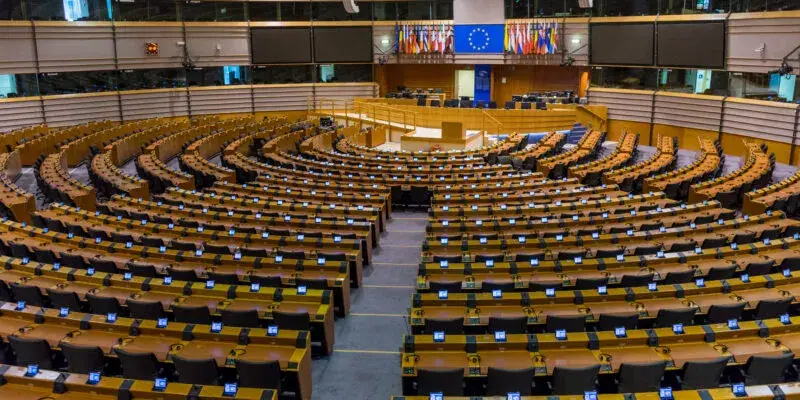
In a draft resolution, the European Parliament has called on Georgian authorities to immediately withdraw the constitutional lawsuit seeking to ban opposition parties. The document is set for a vote on October 8, following a debate on the country's political situation taking place in Strasbourg on October 7.

On Putin’s birthday, Kadyrov speaks of the
Politics
On Putin’s birthday, Kadyrov speaks of the "special significance" of his name for Chechnya
7 October 2026

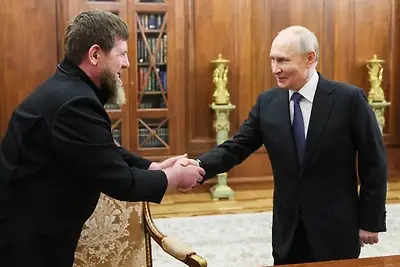
Chechen leader Ramzan Kadyrov congratulated Vladimir Putin on his birthday and stated that the Russian president's name holds "special significance" for the Chechen people. According to Kadyrov, the region will "never forget" the support Putin extended to his father—Chechnya’s first president, Akhmat-Khadzhi Kadyrov—"at a time when the future of the Chechen Republic depended on the decisions being made."