Putin called tensions with Azerbaijan a "crisis of emotions"

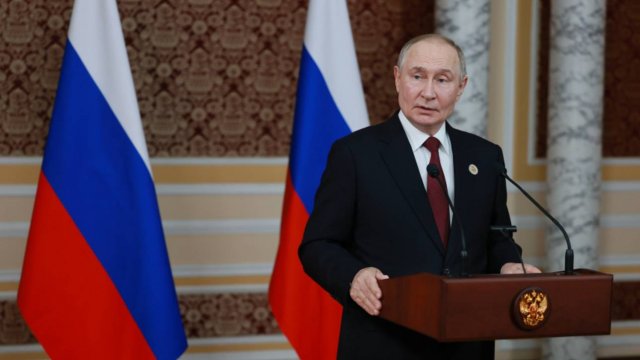
Vladimir Putin stated that relations between Russia and Azerbaijan were not in crisis, but merely faced a "crisis of emotions" caused by the AZAL plane crash. Commenting on the results of his visit to Tajikistan, he emphasized that Azerbaijan maintains close ties with Russia and noted the widespread use of the Russian language in the country.

"I wouldn't say we had a crisis in interstate relations; it was a crisis of emotions, and it's clear why: we were faced with the downing of an airplane, and we needed time to sort things out," Putin said.

Putin also touched on the New START Treaty (the Treaty between the United States and the Russian Federation on Measures for the Further Reduction and Limitation of Strategic Offensive Arms). He said that the US refusal to extend the New START Treaty would not be critical for Moscow, as everything "is going according to plan in this regard."

"I've already spoken about this, and it's no secret: the sophistication of our nuclear deterrent is greater than that of any other nuclear state, and we are actively developing it. What I said in previous times, in previous years, is that it's all developing. We are finalizing it, and I think we'll soon have the opportunity to announce the new weapons we once announced," Putin said.

Regarding Zelenskyy's threats to strike the Kremlin with Tomahawk missiles, the Russian president dismissed them as "show-off." He also assured that if these missiles were transferred to Ukraine, Russia would strengthen its air defense system.

Relations between Moscow and Baku worsened last year after the downing of an Azerbaijani passenger plane, for which Azerbaijani President Ilham Aliyev blamed Russia. It was discovered that the plane was shot down by a Russian air defense system near Grozny.
Последние новости
Disappearances, raids and torture: what Anna Politkovskaya wrote about the second Russian-Chechen war
Chronicle of Wars and Crimes
Disappearances, raids and torture: what Anna Politkovskaya wrote about the second Russian-Chechen war
7 October 2026

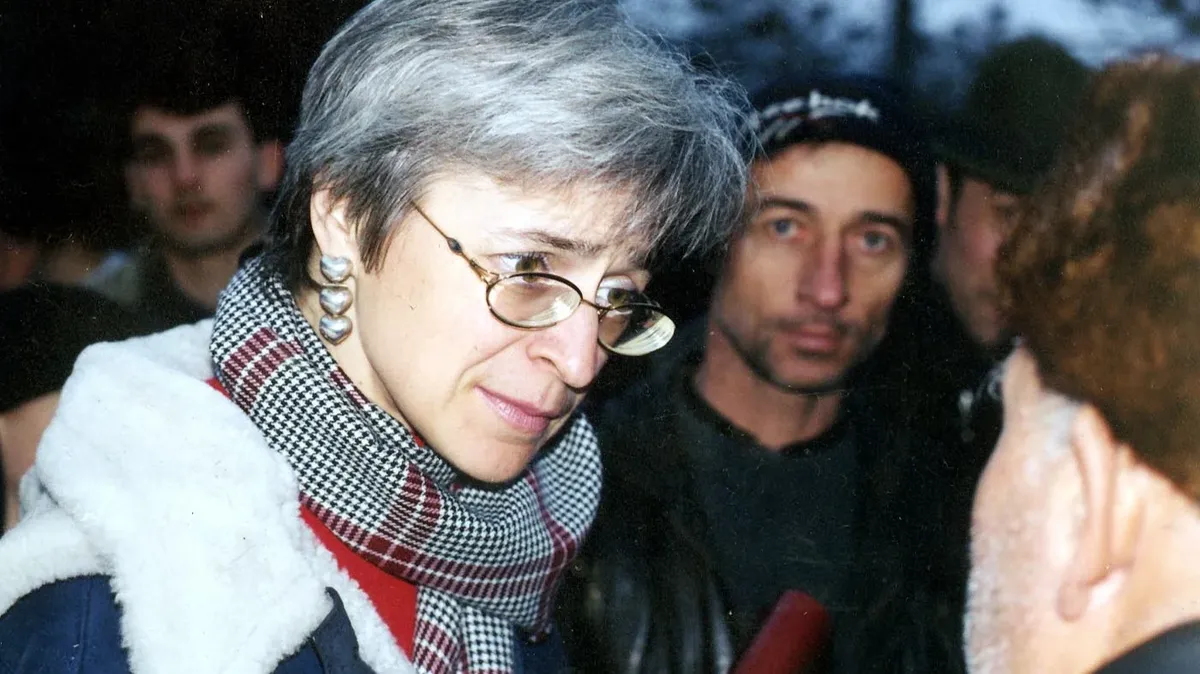
Anna Politkovskaya was killed on 7 October 2006. Her articles, written from behind Chechnya’s blood-soaked information wall and barbed wire, became a voice of truth — the truth about what residents of the republic were experiencing as they became a convenient and powerless collective victim of the global “fight against international terrorism”.

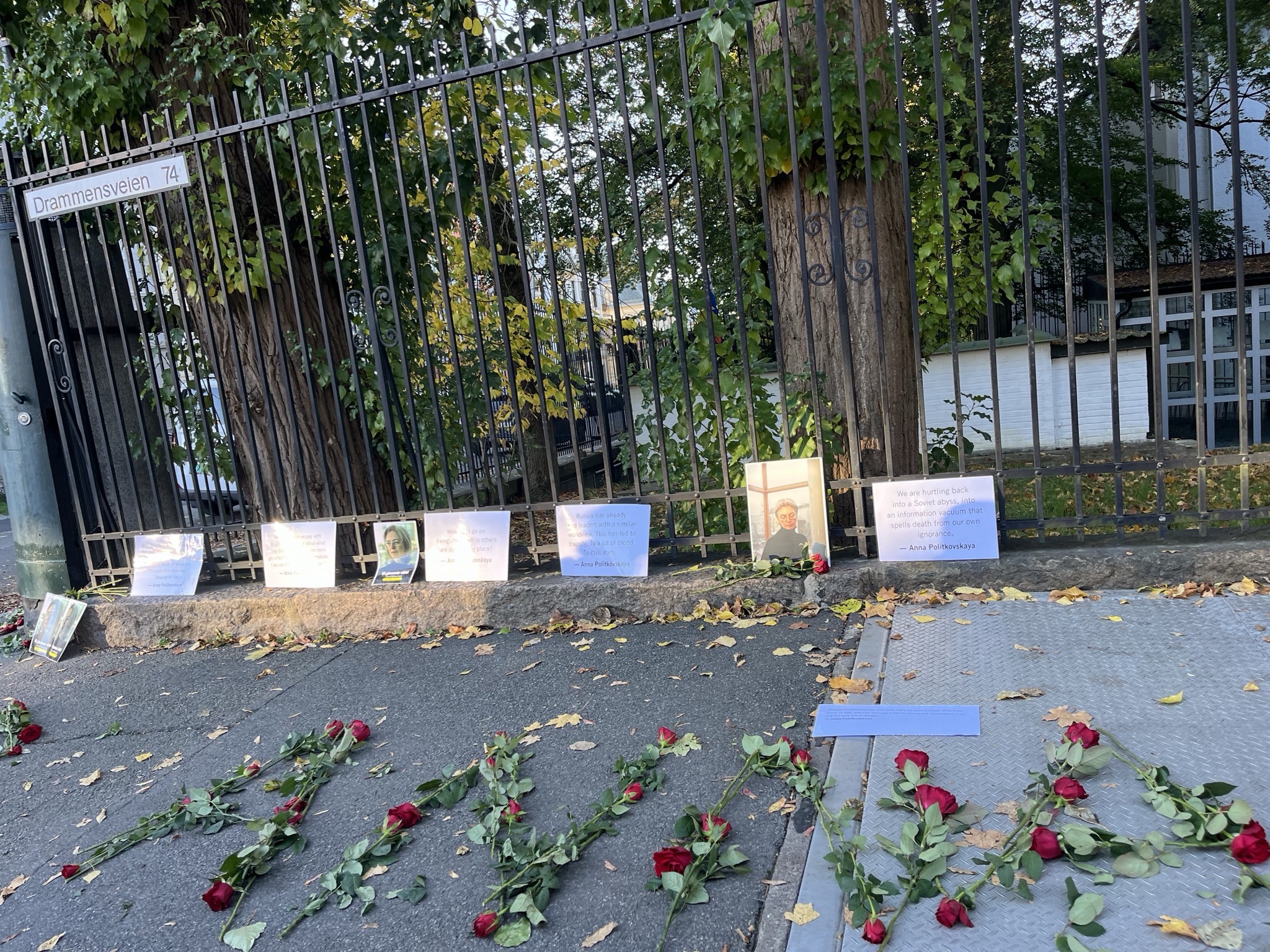
Anna Politkovskaya’s name laid out in flowers in Oslo
Human rights
Anna Politkovskaya’s name laid out in flowers in Oslo
7 October 2026

Memorial events for Anna Politkovskaya are taking place in countries around the world today, marking 20 years since the murder of the journalist, who spent many years reporting on the war in Chechnya and human rights violations.


European Parliament Demands Withdrawal of Lawsuit to Ban Opposition Parties in Georgia
Politics
European Parliament Demands Withdrawal of Lawsuit to Ban Opposition Parties in Georgia
7 October 2026

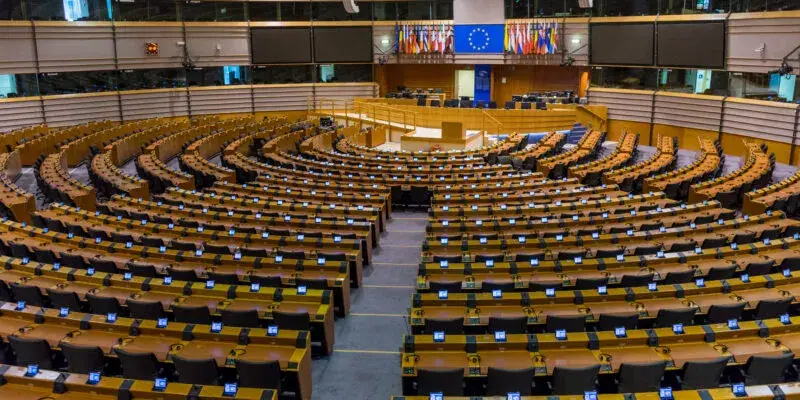
In a draft resolution, the European Parliament has called on Georgian authorities to immediately withdraw the constitutional lawsuit seeking to ban opposition parties. The document is set for a vote on October 8, following a debate on the country's political situation taking place in Strasbourg on October 7.

On Putin’s birthday, Kadyrov speaks of the
Politics
On Putin’s birthday, Kadyrov speaks of the "special significance" of his name for Chechnya
7 October 2026

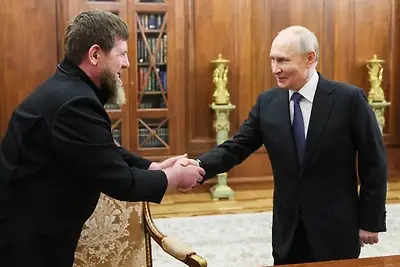
Chechen leader Ramzan Kadyrov congratulated Vladimir Putin on his birthday and stated that the Russian president's name holds "special significance" for the Chechen people. According to Kadyrov, the region will "never forget" the support Putin extended to his father—Chechnya’s first president, Akhmat-Khadzhi Kadyrov—"at a time when the future of the Chechen Republic depended on the decisions being made."