Putin accused the West of supporting a “nest of terrorism” in the Caucasus
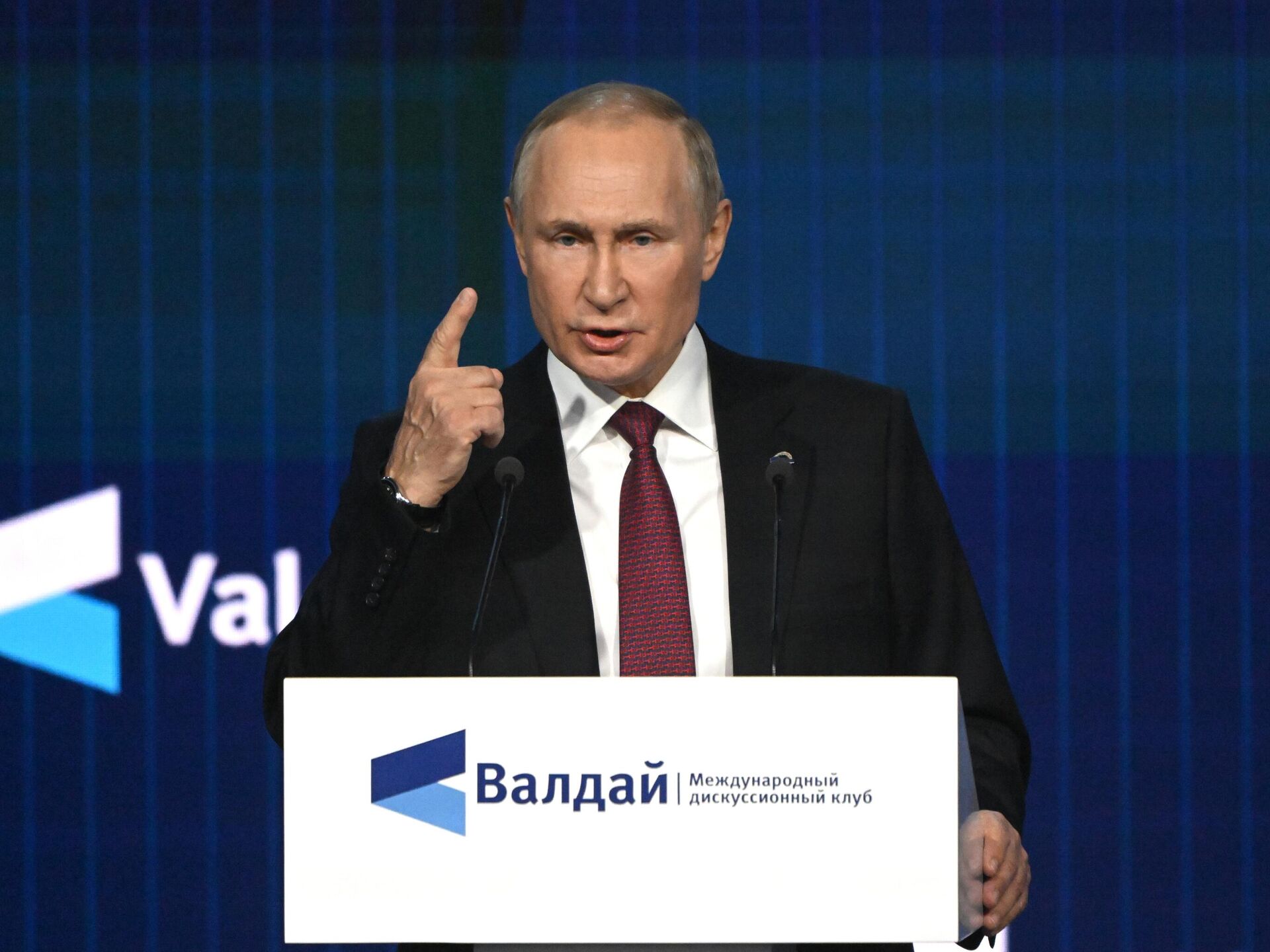
On October 27, speaking at a meeting of the Valdai International Discussion Club, President Vladimir Putin accused the West of nurturing terrorists in Russia.
“In 2000, after being elected president, what I encountered and will always remember is the price we paid to destroy the terrorist nest in the North Caucasus, which the West almost openly supported at that time. Moreover, he not only actively supported terrorists on Russian territory, but also largely nurtured this threat. We know that this is how it was in practice: financial, political, information support. We all survived this,” the president said.
Such statements from the mouth of the president and other officials are heard regularly, but are not supported by convincing evidence.
Thus, on April 27, speaking to members of the Council of Legislators at the Federal Assembly of the Russian Federation, Putin said: “We also remember how Western states in the early 1990s and 2000s encouraged terrorists and bandits in the North Caucasus and speculated on problems our past, on truly problematic issues, on the injustices of the past against entire peoples, including the peoples of the Caucasus.”
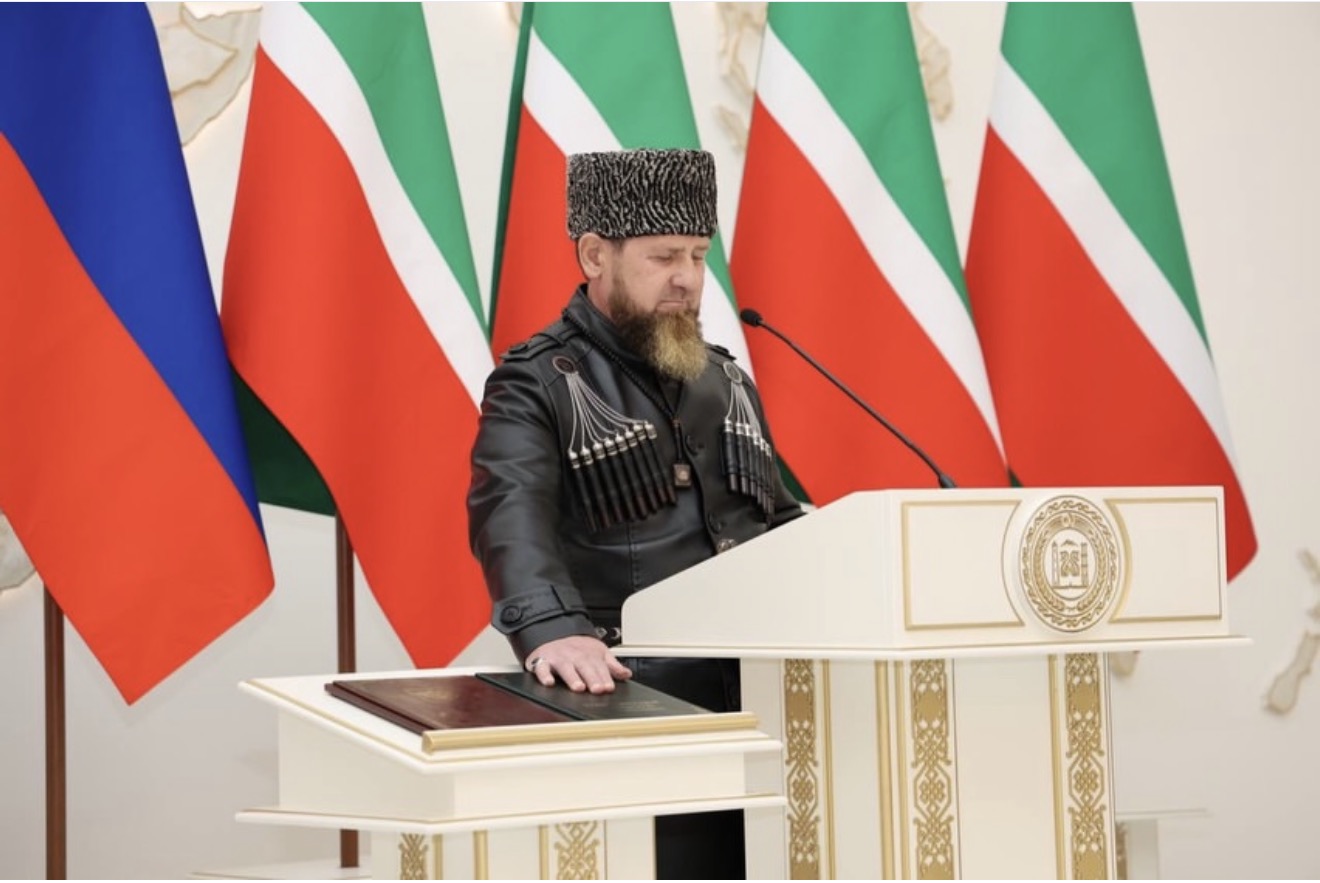
The head of the Chechen Republic, Ramzan Kadyrov, said in an interview with Reuters in December 2009: “The West finances them [the militants]. I officially declare this: those who wanted to destroy the Soviet Union want to destroy the Russian Federation, they are behind them... If they gain control over the entire Caucasus, we can say that they will practically gain control over the entire Russia, because the Caucasus is ours ridge."
The threat of terrorism is a favorite argument both for increasing power resources in the Caucasus and for limiting democratic freedoms. Explosions in Moscow and Volgodonsk in 1999, in which Chechen terrorists were allegedly involved, became the basis for the start of the second Russian-Chechen war and the bombing of Grozny and other populated areas of Chechnya. Meanwhile, subsequently, not a single Chechen appeared in criminal cases involving house bombings. Moreover, the Chechens, then and to this day, accuse the international community of supporting the Russian authorities, who launched both wars against Chechnya, which resulted in massacres of civilians and the complete destruction of the republic.