Responsible Statecraft: Azerbaijan and Turkey Emerge as Beneficiaries of New Transport Corridors

Azerbaijan is strengthening its position as a key Eurasian transport hub amidst shifts in global logistics. This conclusion was reached by authors at *Responsible Statecraft* while analyzing the consequences of the conflict involving Iran and the restructuring of international trade routes.

According to the publication, military actions by the US and Israel against Iran, along with the closure of the Strait of Hormuz, caused significant turmoil in the global oil market and accelerated the search for alternative routes for transporting goods and energy resources. Against this backdrop, the "Middle Corridor"—passing through Central Asia, the Caucasus, and Turkey—has gained particular importance, as has the "Four Seas" initiative, designed to link the Persian Gulf with the Caspian, Black, and Mediterranean Seas via Syria and Turkey.

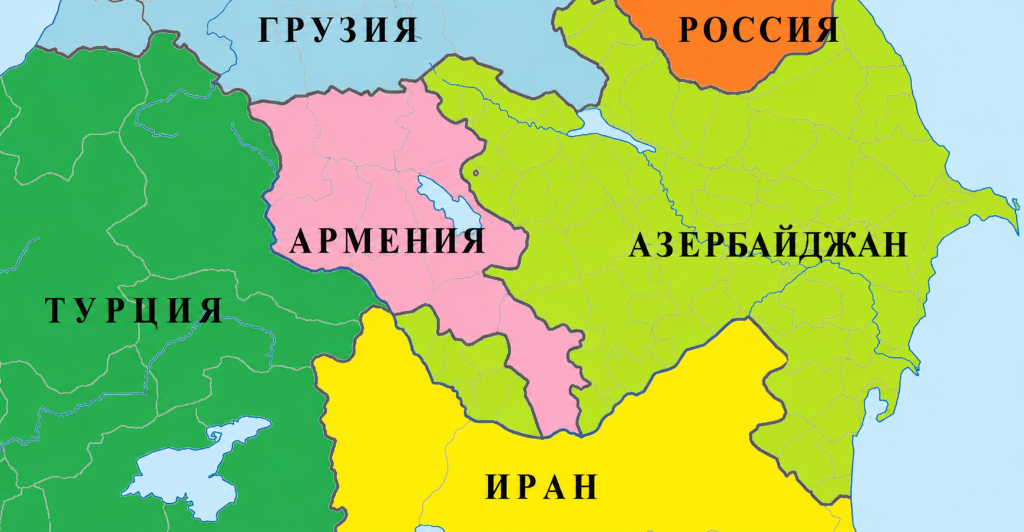
The authors note that Baku has also capitalized on the weakening of the Northern Transport Corridor and the new geopolitical landscape. Following the signing of a peace agreement with Armenia in 2025, Azerbaijan has—in their view—actively strengthened its standing as a vital regional logistics hub.
A key element of the agreements was the creation of a transport link between Azerbaijan’s mainland and Nakhchivan via Armenia—dubbed the "Trump Route." The authors believe this route will expand Azerbaijan's trade opportunities and foster closer ties between Central Asia and Turkey.

Furthermore, *Responsible Statecraft* points out that in 2025, Azerbaijan became the first state outside Central Asia to join the C5 summit, effectively transforming the format into a C6 grouping.

The publication identifies Turkey as the primary beneficiary of these unfolding changes. According to the authors, Ankara is finding itself at the center of new transport routes and strengthening its role as a key transit hub connecting Europe, Asia, the Caucasus, Central Asia, and the Middle East.
Последние новости
Keys to 52 new homes handed to Dagestan flood victims
Society
Keys to 52 new homes handed to Dagestan flood victims
6 October 2026

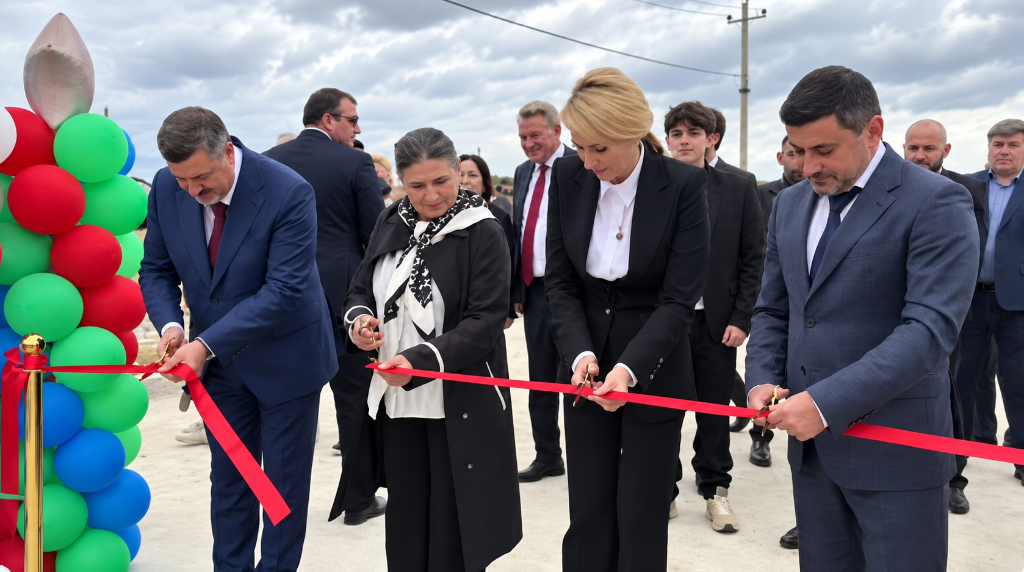
On October 6, in the settlement of Mamedkala in Dagestan’s Derbent District, keys to 52 new homes were handed to families who had lost their housing due to spring flooding. The ceremony was attended by Yana Lantratova, Russia’s Commissioner for Human Rights, and Fedor Shchukin, the Acting Head of the Republic.

Sixteen imprisoned female journalists from Russia and Ukraine receive Politkovskaya Award
Human rights
Sixteen imprisoned female journalists from Russia and Ukraine receive Politkovskaya Award
6 October 2026

The Anna Politkovskaya Award has this year been given to 11 Russian and five Ukrainian female journalists who are imprisoned in Russia and in the occupied territories of Ukraine.


According to the award’s founder, the international organisation RAW in WAR (Reach All Women in WAR), the nominations committee praised the “courage and integrity” of the laureates, who “risk their freedom and even their lives to report on the war and speak out against human rights violations, war crimes and the escalating repression of journalists, human rights defenders and anti-war activists in Russia”.

Lawmakers from the ruling and opposition parties clashed in the Armenian parliament
Politics
Lawmakers from the ruling and opposition parties clashed in the Armenian parliament
6 October 2026

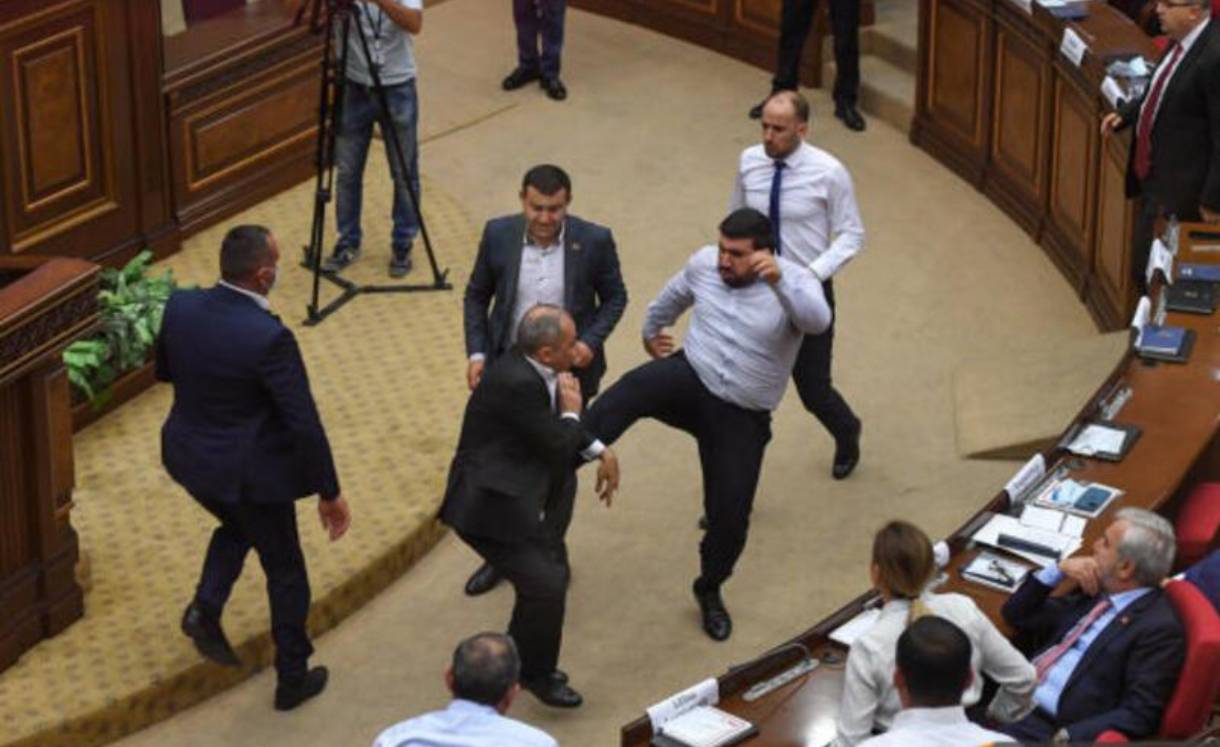
A scuffle broke out in the National Assembly of Armenia on October 6 between MPs from the ruling "Civil Contract" party and the opposition "Strong Armenia" bloc.

Chechen Activists Protest Against Movlaev’s Extradition in Paris
Human rights
Chechen Activists Protest Against Movlaev’s Extradition in Paris
6 October 2026

Chechen activists Abubakar Yangulbaev and Said Dzhumaev joined a rally in support of Mansur Movlaev and Yulia Emelyanova, held as part of the "Russie-Libertés" forum in Paris. Forum participants spoke out against their potential extradition from Kazakhstan to Russia.