Russian draft dodgers' oxygen was cut off

On April 14, Russian President Vladimir Putin signed a law on electronic summonses and restrictions for draft dodgers. Before this, the bill quickly passed two readings in the State Duma and was approved by the Federation Council. Only one senator voted against it - Lyudmila Narusova, who stated that the amendments do not correspond to the Constitution. “Let’s not lie, we all understand what this law is aimed at,” she noted.
Amendments made to a number of laws are aimed at ensuring that conscripts and those liable for military service cannot evade receiving a summons. If previously paper summons had to be handed over personally against a signature, now there are several ways to notify about the need to pay military duty to the homeland: by handing it in person, including at the place of study or work; by registered mail with return receipt requested to the address of residence or place of stay; in electronic form - by posting it in the citizen’s personal account on the government services portal or in a special register of subpoenas that has yet to be created.
The conscript has new responsibilities: if he is not released from service and does not have the right to a deferment, but has not received a summons or the deadline for appearing in it has expired at the time of delivery, he must report to the military registration and enlistment office within two weeks.
And in order to ensure the appearance of everyone who received a summons, but is in no hurry to go to the military registration and enlistment office, legislators have come up with a number of troubles for them: not only will they not be able to travel abroad, but they will also not receive a driver’s license, will not be able to register as an entrepreneur or self-employed, or register real estate and vehicle, get a loan.
Thus, the post office, State Services, the tax office with the traffic police, and banks will now work for the army.


Последние новости
Chechnya ranks among the Russian regions with the lowest proportion of war-related fatalities among working-age men
Society
Chechnya ranks among the Russian regions with the lowest proportion of war-related fatalities among working-age men
20 November 2026

Since January 2022, 1,567 deaths linked to the war against Ukraine have been recorded in Chechnya, accounting for 4.8% of all deaths among the republic’s residents during that period. In neighboring Ingushetia, this figure reached 5.1%.

A resident of Cherkessk has received a suspended sentence for sharing a link to an antisemitic video on WhatsApp
Society
A resident of Cherkessk has received a suspended sentence for sharing a link to an antisemitic video on WhatsApp
20 November 2026

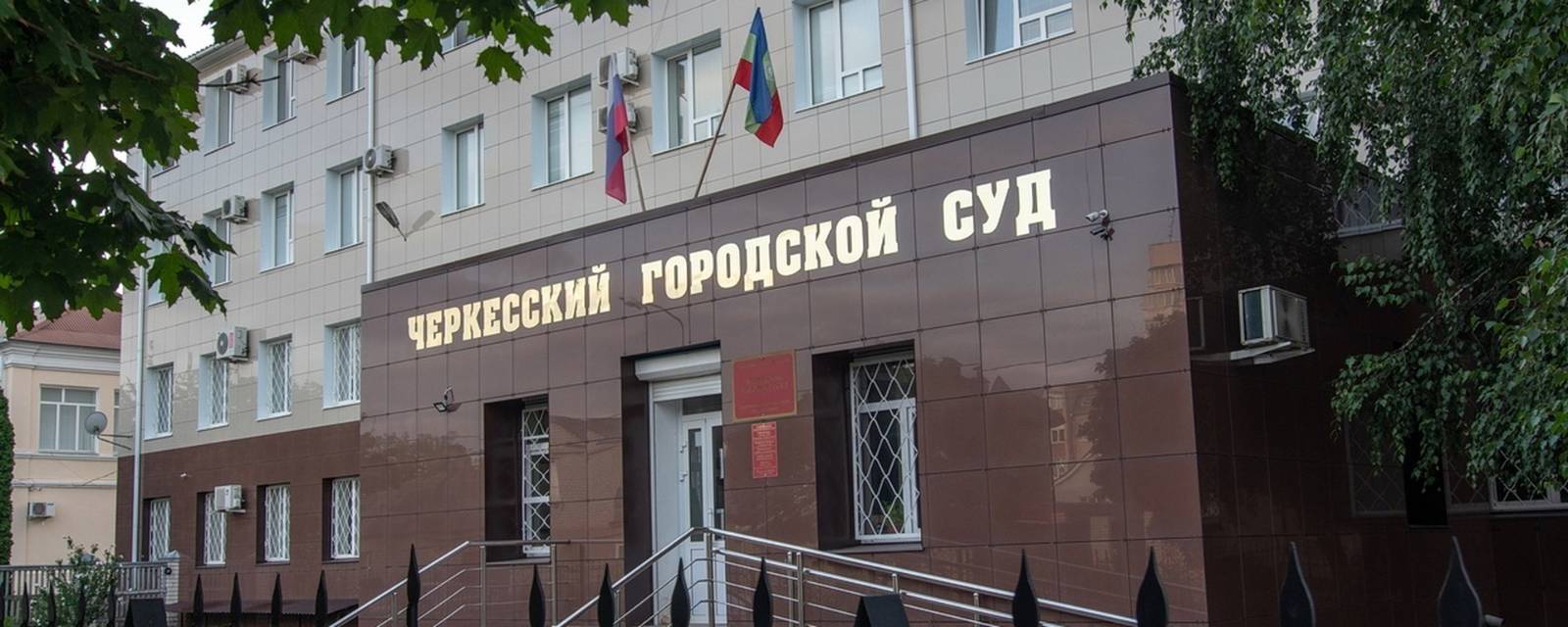
The Cherkessk City Court sentenced the man to a one-and-a-half-year suspended prison term for distributing a link to a video that contained calls for violence based on nationality and religion. Additionally, he has been prohibited from administering websites or other online platforms for a period of one and a half years.

Lawyer for Nemtsov’s family demands explanation for the early release of the politician’s killers
Politics
Lawyer for Nemtsov’s family demands explanation for the early release of the politician’s killers
20 November 2026

Vadim Prokhorov, a lawyer representing the family of Boris Nemtsov, intends to request information from the Prosecutor General’s Office, the Investigative Committee, and the Federal Penitentiary Service (FSIN) regarding the status of Zaur Dadayev and brothers Anzor and Shadid Gubashev—all of whom were convicted for the politician’s murder. The victims’ side was never notified of any change in the men’s status, even though, according to an investigation by the outlet *Proekt*, all three have been released from prison early and have returned to Chechnya.

Head of Civil Rights Institute in Azerbaijan Sentenced to 7.5 Years in Prison
Human rights
Head of Civil Rights Institute in Azerbaijan Sentenced to 7.5 Years in Prison
20 November 2026

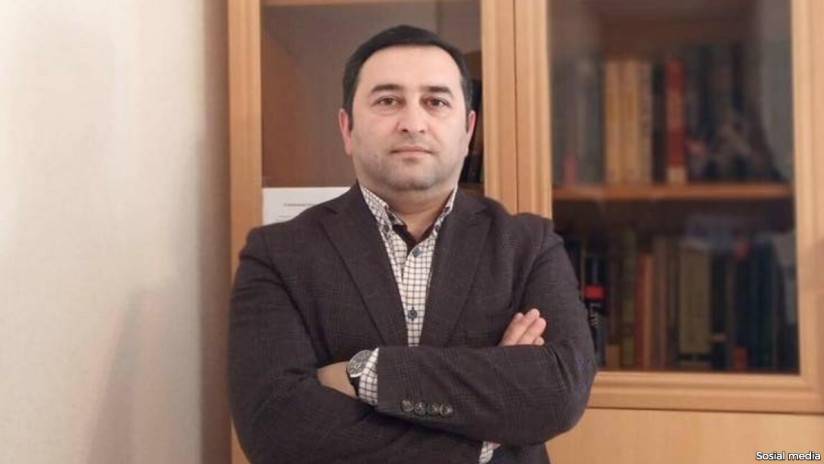
The Baku Court on Grave Crimes has sentenced Bashir Suleymanli, head of the Institute for Civil Rights, to seven years and six months in prison. The verdict was announced on November 19. The prosecution had requested a nine-year sentence for the human rights defender.