NATO Countries Warn of Possible Russian Annexation of South Ossetia
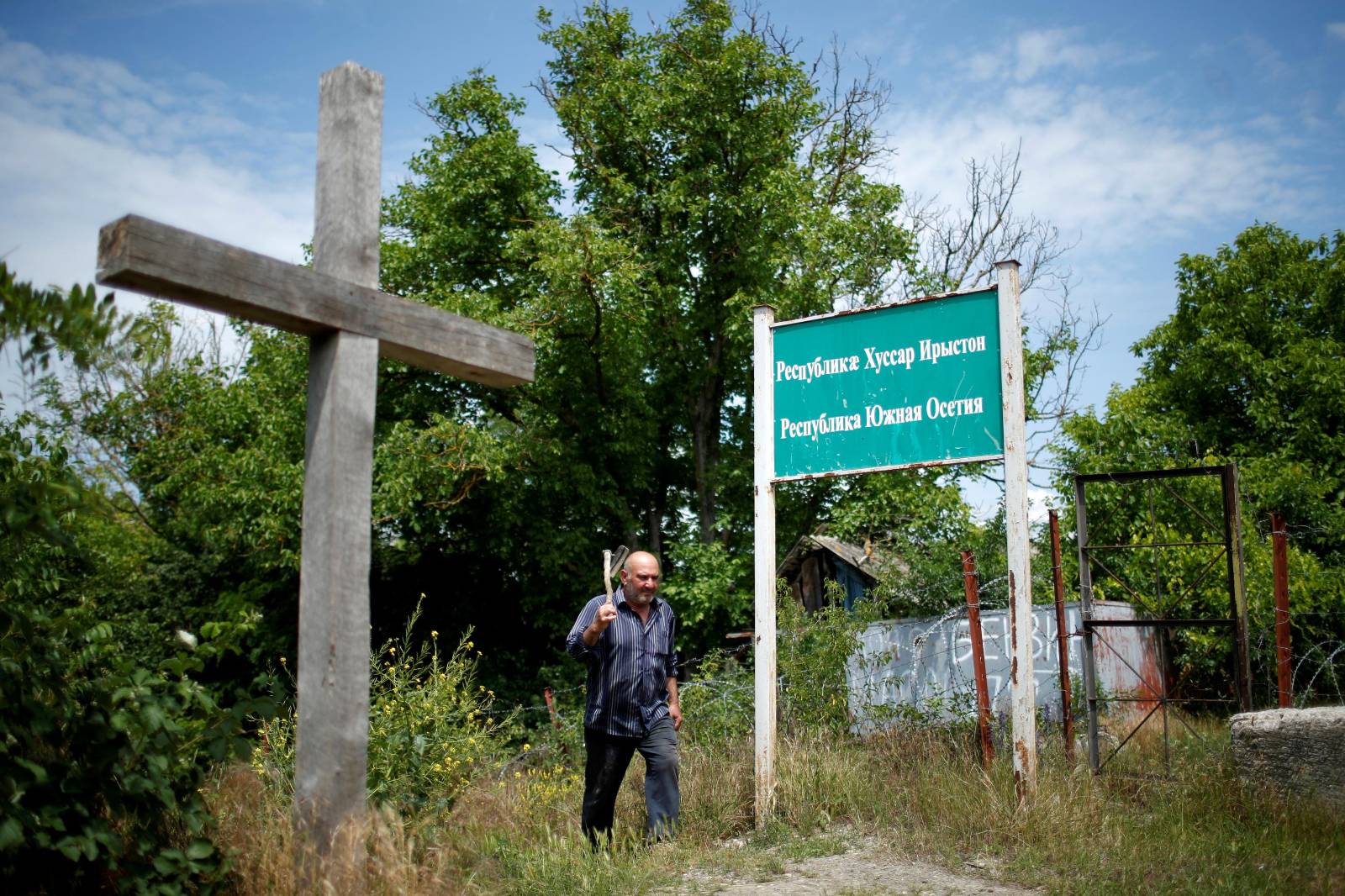
Britain, Germany, Italy and France have warned of the possible annexation of the breakaway Georgian region of South Ossetia by Russia. The four countries said their concerns had intensified following the signing of an agreement between Moscow and Tskhinvali and the effective transfer of control over the region to a Russian official.
The joint statement was issued ahead of the 18th anniversary of the start of the 2008 Russia-Georgia war.
London, Berlin, Rome and Paris said Russia’s actions had violated Georgia’s territorial integrity and established Moscow’s control over Abkhazia and South Ossetia, both of which the international community continues to recognize as part of Georgia within its internationally recognized borders.
The statement placed particular emphasis on an agreement signed in May between Moscow and South Ossetia’s de facto authorities on “deepening allied cooperation.” The agreement provides for further alignment of the two sides’ legal systems and expanded cooperation in the defense sector.
The four countries described the agreement as a “clear violation of international law” and linked it to the subsequent change of leadership in Tskhinvali.
On June 16, Marat Kambolov, a Russian citizen who previously served as Russia’s deputy education minister and headed one of the divisions of the Kurchatov Institute research center, became prime minister of the breakaway region.
A week later, South Ossetian leader Alan Gagloev stepped down as president before the end of his term and announced that he would take up a position in the Russian presidential administration as an adviser to Vladimir Putin. Under the region’s de facto constitution, the powers of the president automatically passed to Prime Minister Kambolov.
The combination of these developments, the joint statement said, provides grounds for concern about the risk of a “full-scale annexation” of South Ossetia by Russia.
Britain, Germany, Italy and France warned that such a move “would not go unanswered,” without specifying what measures could follow.
The four countries also called on Moscow to comply with the terms of the ceasefire agreement reached after the August 2008 war and condemned the continued presence of Russian troops in Abkhazia and South Ossetia.