The court rejected the defense's motion in the case of Nadezhda Kevorkova
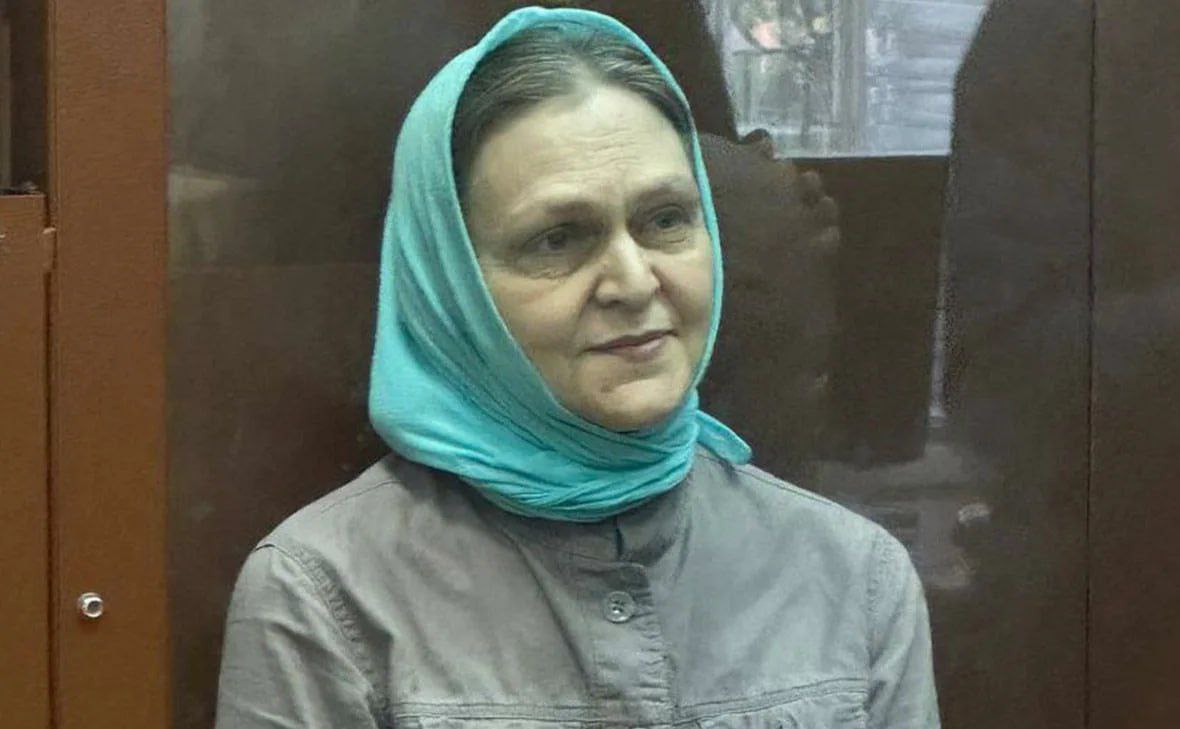
The first hearing in the criminal case against journalist Nadezhda Kevorkova was held in the 2nd Western District Military Court. She is accused of justifying terrorism. The court rejected the defense's motion.
 
Since May 2024, Kevorkova has been in pretrial detention due to two posts on a Telegram channel. The first was the publication of an old text by Orkhan Dzhemal, who died in the CAR, about one of the leaders of the "attack on Nalchik" in 2005. The second publication was allegedly dedicated to justifying the Taliban movement. It is noteworthy that at the end of May 2024, the Russian Foreign Ministry and the Ministry of Justice announced that the Taliban could be removed from the list of banned organizations.
 
Kevorkova's ex-husband, Maxim Shevchenko, called her a "true Christian." He added that in 2018, she had a hard time dealing with the death of her "close friend Orkhan Dzhemal," which was also confirmed by her mother and friends. Irina Gordienko, Dzhemal's widow, said that two years before her husband's death, his father, Heydar Dzhemal, who was a mentor to Kevorkova, had died.
 
At the end of the hearing, the defense petitioned for assistance in summoning the Russian President's Special Representative for Afghanistan, Zamir Kabulov, for questioning. He could confirm that Kevorkova's publications about the Taliban posed no public danger. However, the judge denied the petition.
 
Nadezhda Kevorkova is an active volunteer for the Solidarity Foundation, helping seriously ill children and low-income people. The journalist has repeatedly visited the Gaza Strip with the support of the Russian Foreign Ministry and covered the situation in the Middle East, and has worked in Iraq and Iran. In addition, Kevorkova is the author of three books about Palestine and numerous articles about religion.
Последние новости
Disappearances, raids and torture: what Anna Politkovskaya wrote about the second Russian-Chechen war
Chronicle of Wars and Crimes
Disappearances, raids and torture: what Anna Politkovskaya wrote about the second Russian-Chechen war
7 October 2026

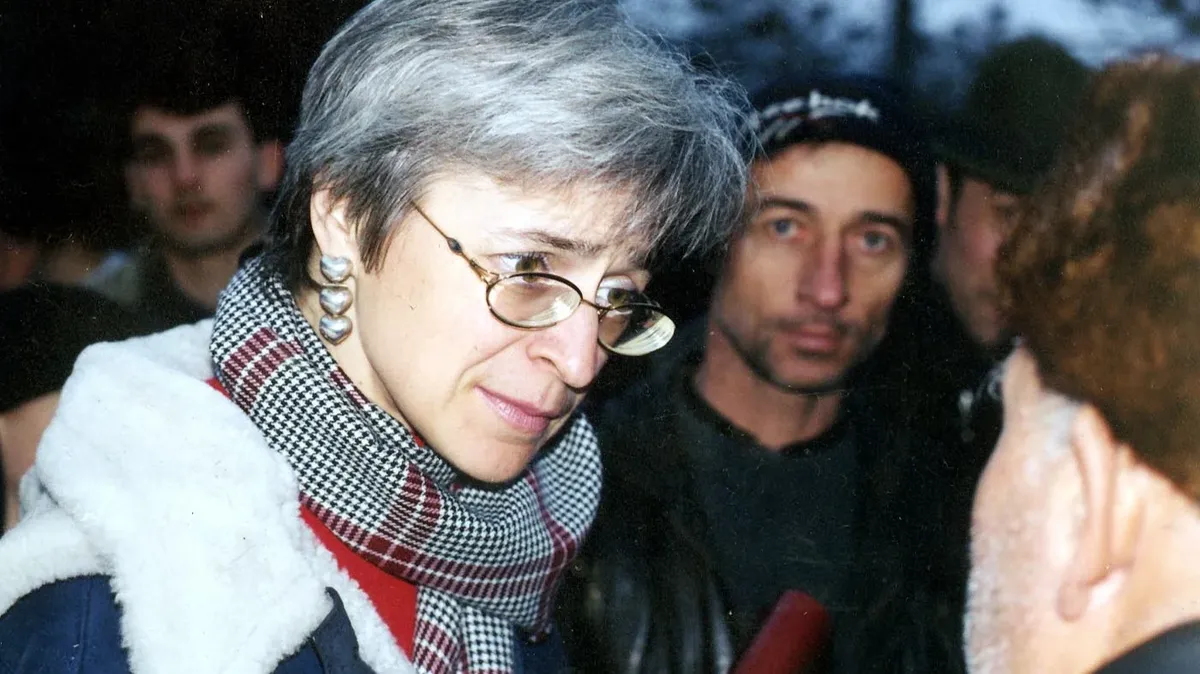
Anna Politkovskaya was killed on 7 October 2006. Her articles, written from behind Chechnya’s blood-soaked information wall and barbed wire, became a voice of truth — the truth about what residents of the republic were experiencing as they became a convenient and powerless collective victim of the global “fight against international terrorism”.

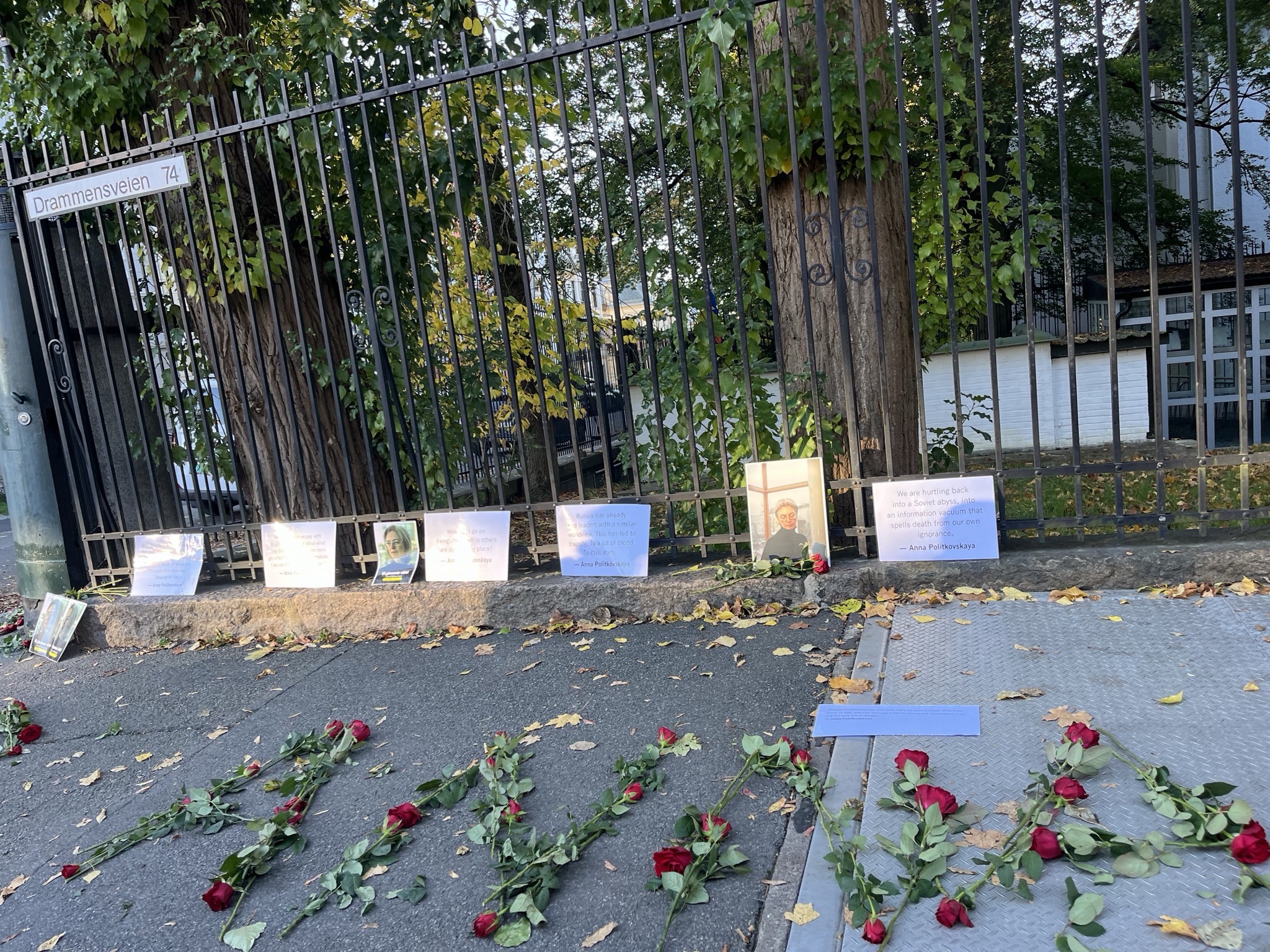
Anna Politkovskaya’s name laid out in flowers in Oslo
Human rights
Anna Politkovskaya’s name laid out in flowers in Oslo
7 October 2026

Memorial events for Anna Politkovskaya are taking place in countries around the world today, marking 20 years since the murder of the journalist, who spent many years reporting on the war in Chechnya and human rights violations.


European Parliament Demands Withdrawal of Lawsuit to Ban Opposition Parties in Georgia
Politics
European Parliament Demands Withdrawal of Lawsuit to Ban Opposition Parties in Georgia
7 October 2026

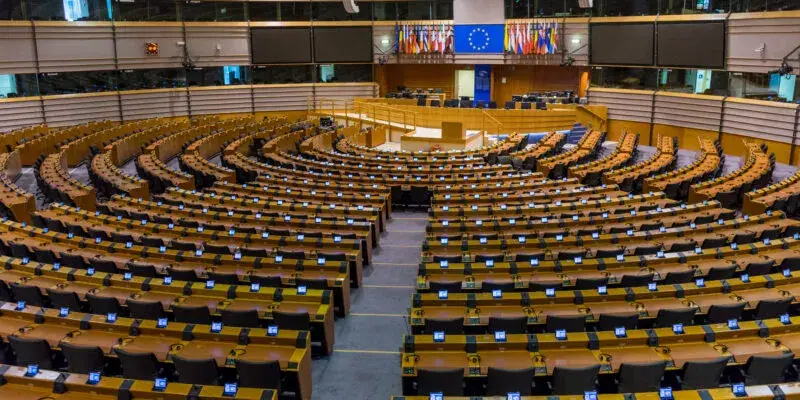
In a draft resolution, the European Parliament has called on Georgian authorities to immediately withdraw the constitutional lawsuit seeking to ban opposition parties. The document is set for a vote on October 8, following a debate on the country's political situation taking place in Strasbourg on October 7.

On Putin’s birthday, Kadyrov speaks of the
Politics
On Putin’s birthday, Kadyrov speaks of the "special significance" of his name for Chechnya
7 October 2026

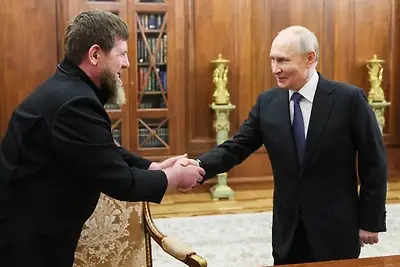
Chechen leader Ramzan Kadyrov congratulated Vladimir Putin on his birthday and stated that the Russian president's name holds "special significance" for the Chechen people. According to Kadyrov, the region will "never forget" the support Putin extended to his father—Chechnya’s first president, Akhmat-Khadzhi Kadyrov—"at a time when the future of the Chechen Republic depended on the decisions being made."