Rallies were held in Europe in memory of the victims of the 1944 deportation

On February 23, mourning rallies were held in Paris to mark the anniversary of Stalin’s deportation of Chechens and Ingush on February 23, 1944. Participants in the rallies not only honored the memory of the victims of mass repressions, but also spoke out against Russian aggression in Ukraine.
One of the rallies was organized by the Chechen diaspora, the second by the French human rights organization “Chechen Committee” (Comité Tchétchénie), which has been supporting Chechen refugees since 1999.
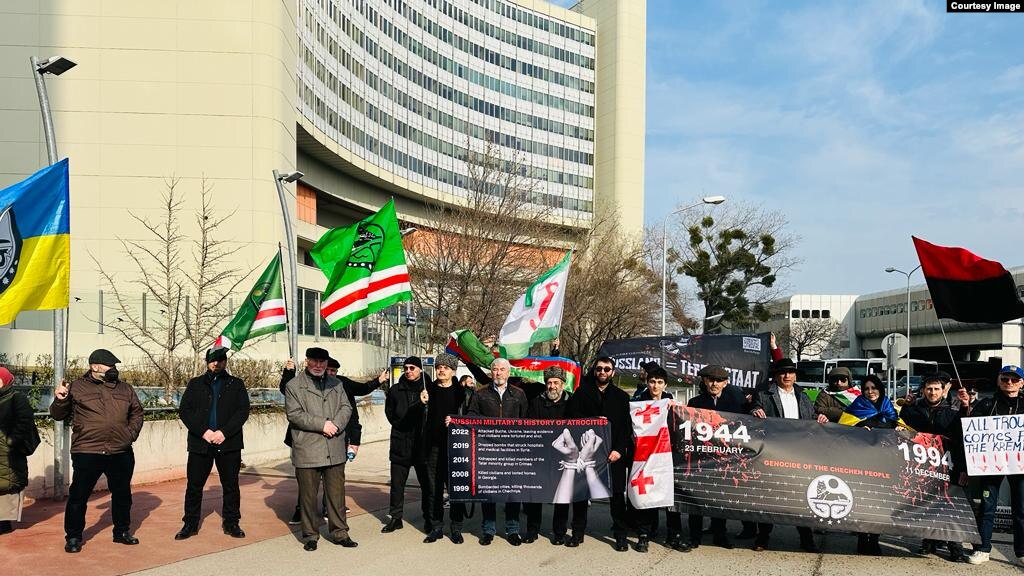
On the same day, the representative office of the unrecognized Chechen Republic of Ichkeria in Austria organized a public event dedicated to the anniversary of the deportation. The rally took place in front of the UN office in Vienna.
On February 25, about 200 representatives of the Chechen and other diasporas from the CIS countries attended a memorial rally in Brussels, after which they joined the march against the war in Ukraine. Participants in the mass march carried flags of Ichkeria, Ukraine, Georgia and posters with the inscriptions “Putin, rot in hell”, “Stop the war”.
During the mass deportation, designated in secret NKVD documents as Operation Lentil, almost the entire population of Checheno-Ingushetia was deported to Central Asia: about 400 thousand Chechens and more than 90 thousand Ingush. The lands of the autonomous republic were divided between Georgia, Ossetia and Dagestan.
Karachais (their eviction took place on November 2-5, 1943) and Balkars (March 8, 1944) were also subjected to mass deportation. They were able to return to their homeland only in 1957. The deportation became the greatest tragedy for the peoples: many died from cold, hunger and disease, and their material culture was almost completely lost. Interethnic conflicts in the disputed territories that arose after the redistribution of the borders of the republics continue to this day. In 2004, the European Parliament recognized the deportation of Chechens as an act of genocide.

Последние новости
A case seeking to increase the fine for life-sentenced prisoner Rauf Arashukov has been submitted to the court
Society
A case seeking to increase the fine for life-sentenced prisoner Rauf Arashukov has been submitted to the court
22 February 2026

The Orenburg Regional Court has begun hearing the state prosecution's appeal in the 6-million-ruble bribe case involving former senator Rauf Arashukov. The prosecution is seeking to increase the fine for the former official, who was sentenced to life imprisonment, from 120 million to 420 million rubles.

A memorial plaque has been restored for the 20th time near Anna Politkovskaya's home
Human rights
A memorial plaque has been restored for the 20th time near Anna Politkovskaya's home
22 February 2026

In Moscow, activists have restored a memorial plaque for the 20th time on a building associated with Anna Politkovskaya. The original plaque, which had hung for nearly 20 years on the wall of the journalist's home on Lesnaya Street, was first destroyed on January 18. Since then, activists have repeatedly installed temporary plaques, which were quickly destroyed—usually within less than 24 hours.

Georgian authorities have set very low tariffs for oil transportation from Azerbaijan to Armenia
Politics
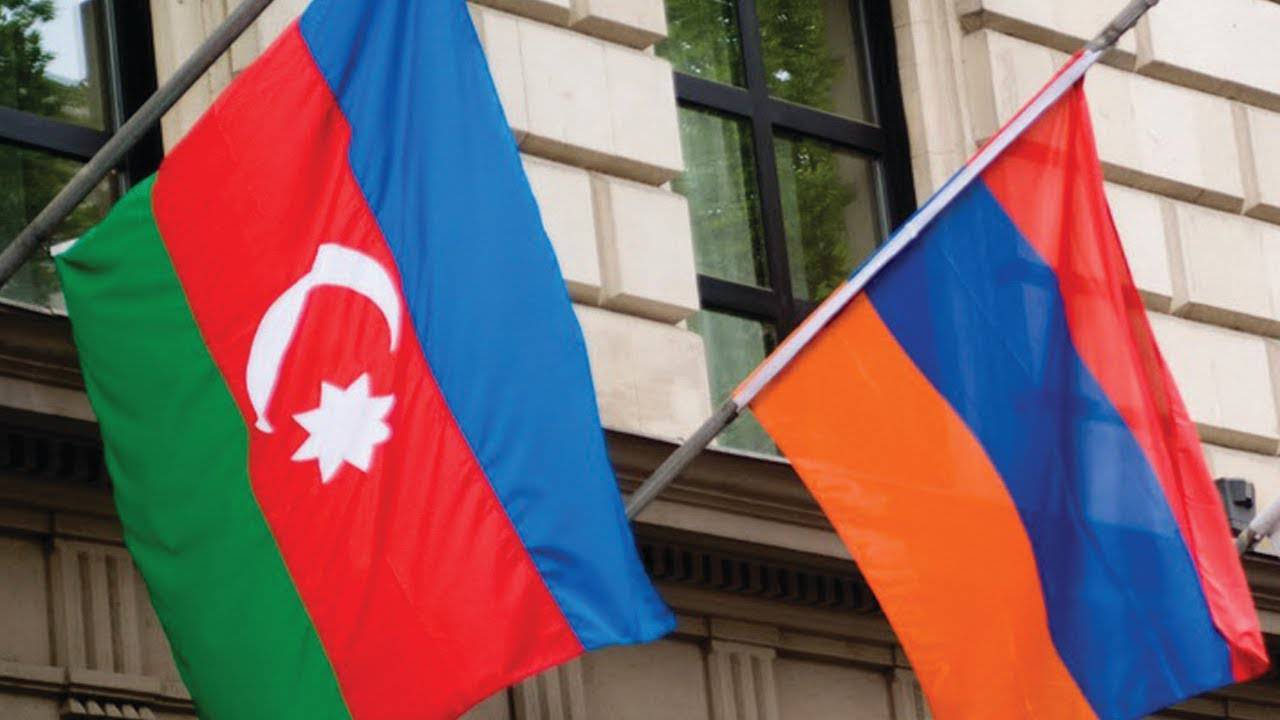
Georgian authorities have set very low tariffs for oil transportation from Azerbaijan to Armenia
22 February 2026

Georgia has decided to set a symbolic price for the transit of petroleum products from Azerbaijan to Armenia, the country's Ministry of Economy announced. This move follows a one-time free transit of oil in early December 2025, after which standard tariffs were applied.

A Dagestani teenager is facing trial for
Society
A Dagestani teenager is facing trial for "justifying terrorism."
21 February 2026

In Dagestan, a teenager is facing trial on charges of promoting terrorism. The criminal investigation against the minor has been completed. He is charged with publicly justifying terrorism (Part 2 of Article 205.2 of the Russian Criminal Code), which carries a prison sentence of up to seven years.