Georgia plans to create a state fund for registered "foreign agents"

A special state fund will be created to finance Georgian non-governmental organizations registered in the "foreign agents" registry. This was announced by Georgian Prime Minister Irakli Kobakhidze at a government meeting.

According to the adopted law "On Transparency of Foreign Influence", the deadline for voluntary registration of NGOs and media outlets that receive more than 20% of their income from abroad expired on September 2. Fines are provided for failure to register.

According to Kobakhidze, "more than 450 non-governmental organizations, that is, a significant portion of organizations working with foreign funding, have applied to the Ministry of Justice."

"We have decided to establish a grant program for Georgian non-governmental organizations, which will be fully financed by Georgian taxpayers from the state budget of Georgia," said Irakli Kobakhidze.

He also added that "receiving foreign funding does not automatically mean implementing the negative interests of a foreign force." The first grant projects will be financed from January 2025. However, the head of the Cabinet did not announce the amount of funding.

Recall that on August 1, the law "On the transparency of foreign influence", initiated by the ruling party of Georgia, known as the law on "foreign agents", came into force. The Georgian opposition and Western countries compare it to similar Russian repressive legislation. The adoption of this law caused a wave of discontent in Georgian society and sharp criticism from the United States and the European Union, and also led to large-scale protests in Tbilisi.

Earlier, Georgian President Salome Zurabishvili vetoed the law adopted in three readings, but her decision was not enough to prevent it from coming into force. The Georgian parliament managed to overcome the presidential ban by a majority vote.

Последние новости
Disappearances, raids and torture: what Anna Politkovskaya wrote about the second Russian-Chechen war
Chronicle of Wars and Crimes
Disappearances, raids and torture: what Anna Politkovskaya wrote about the second Russian-Chechen war
7 October 2026

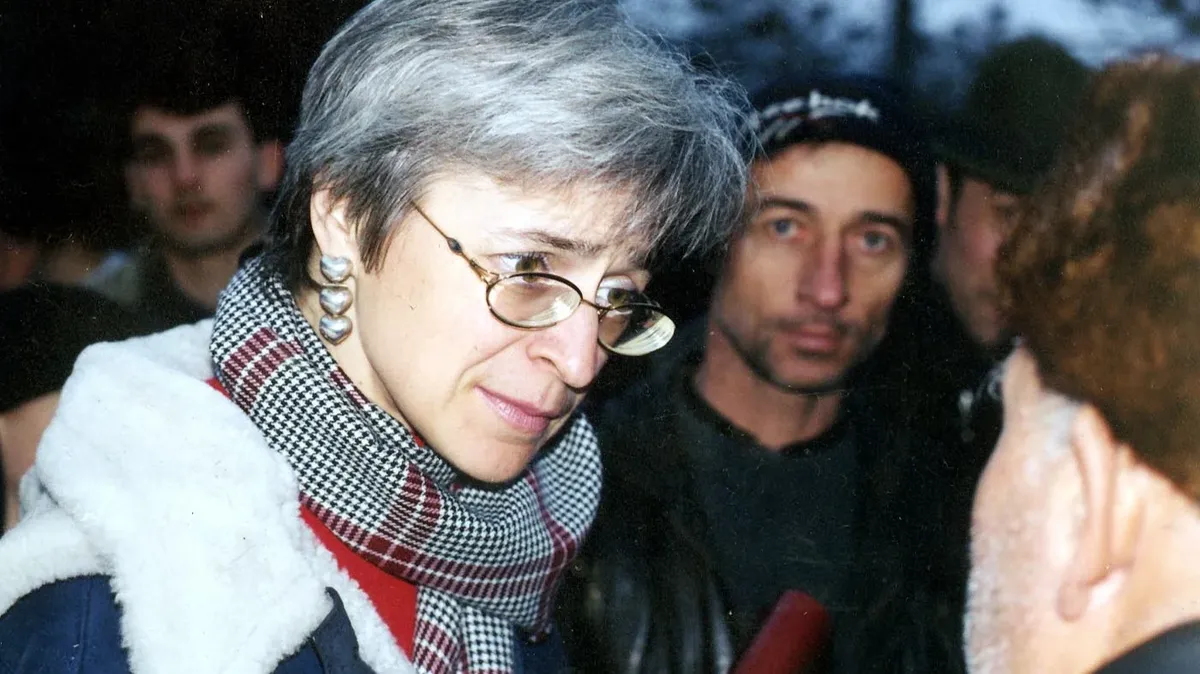
Anna Politkovskaya was killed on 7 October 2006. Her articles, written from behind Chechnya’s blood-soaked information wall and barbed wire, became a voice of truth — the truth about what residents of the republic were experiencing as they became a convenient and powerless collective victim of the global “fight against international terrorism”.

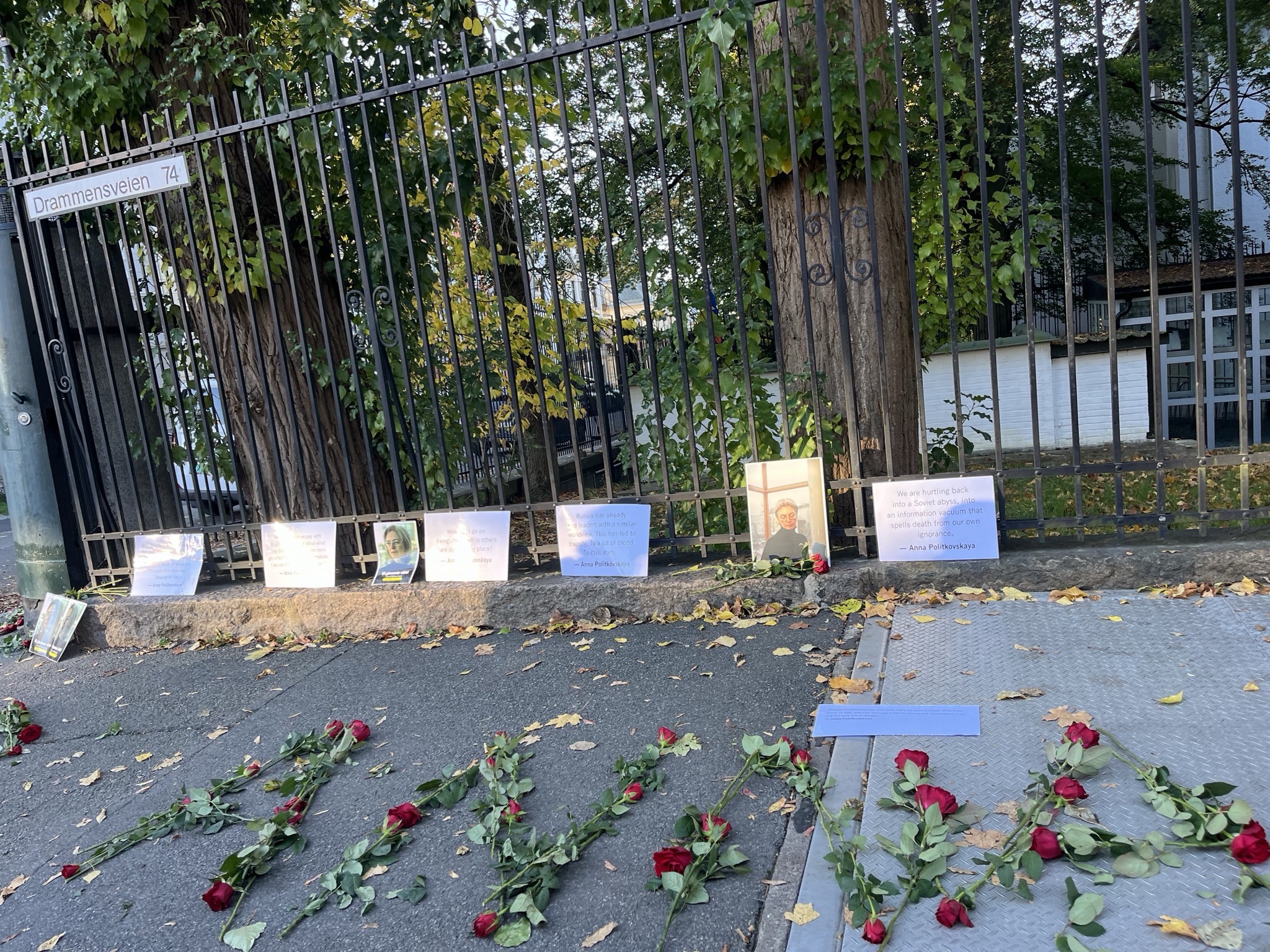
Anna Politkovskaya’s name laid out in flowers in Oslo
Human rights
Anna Politkovskaya’s name laid out in flowers in Oslo
7 October 2026

Memorial events for Anna Politkovskaya are taking place in countries around the world today, marking 20 years since the murder of the journalist, who spent many years reporting on the war in Chechnya and human rights violations.


European Parliament Demands Withdrawal of Lawsuit to Ban Opposition Parties in Georgia
Politics
European Parliament Demands Withdrawal of Lawsuit to Ban Opposition Parties in Georgia
7 October 2026

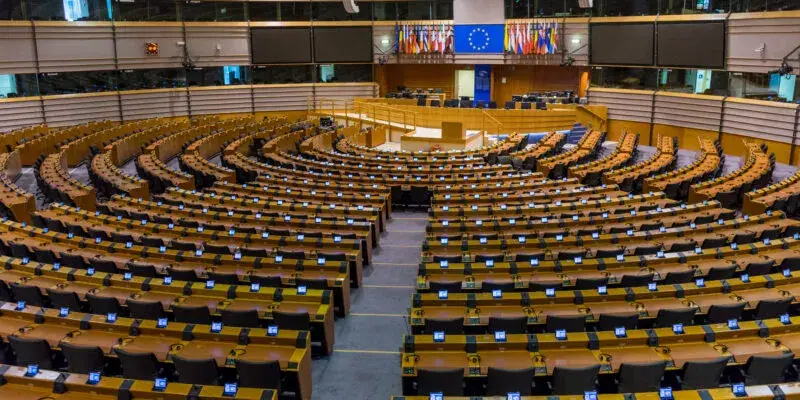
In a draft resolution, the European Parliament has called on Georgian authorities to immediately withdraw the constitutional lawsuit seeking to ban opposition parties. The document is set for a vote on October 8, following a debate on the country's political situation taking place in Strasbourg on October 7.

On Putin’s birthday, Kadyrov speaks of the
Politics
On Putin’s birthday, Kadyrov speaks of the "special significance" of his name for Chechnya
7 October 2026

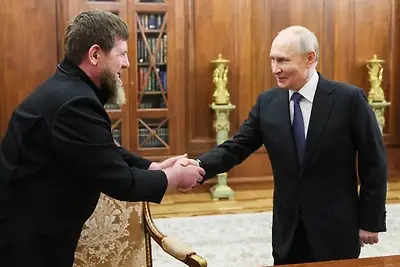
Chechen leader Ramzan Kadyrov congratulated Vladimir Putin on his birthday and stated that the Russian president's name holds "special significance" for the Chechen people. According to Kadyrov, the region will "never forget" the support Putin extended to his father—Chechnya’s first president, Akhmat-Khadzhi Kadyrov—"at a time when the future of the Chechen Republic depended on the decisions being made."