In the colony, the defendant in the "Crimean Muslims' case" is not allowed to perform morning prayer
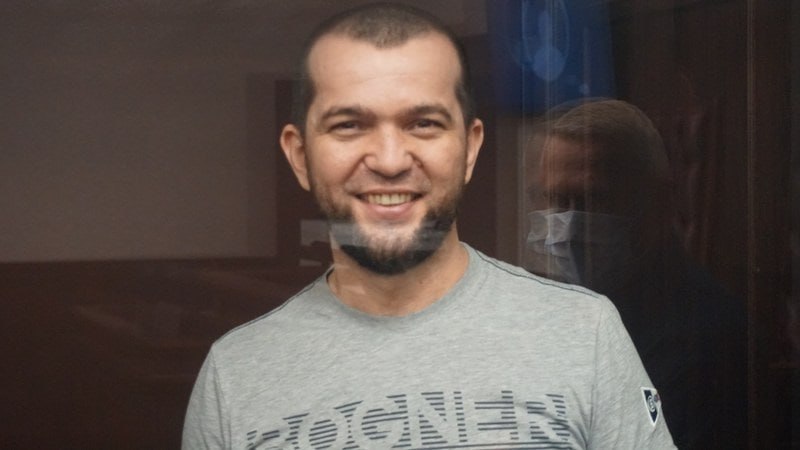
In the colony No. 9 of Petrozavodsk, the Crimean Tatar activist Rustem Seytkhalilov, sentenced to 14 years, is not allowed to perform morning prayer. This was reported on the Facebook page of the human rights organization "Crimean Solidarity".
 
The Crimean Tatar complained to his wife Elzara that convicted Muslims are allowed to pray "only at their own time, which does not always coincide with the time of prayer." Thus, the restrictions apply to the entire five-time prayer during the day.
 
"For a practicing Muslim, this is a significant problem and an infringement of his rights to observe his religion as it should be," explained Elzara Seytkhalilova.
 
In addition, after being taken from prison to the colony in October 2024, Rustem Seytkhalilov's Koran was taken away and never returned.
 
His wife also said that the man suffers from headaches and lower back pain in the colony.
 
In 2024, the activist was put in solitary confinement for 14 days. Nothing is known about the reasons for his placement.
 
In March 2022, Seytkhalilov and four other people were found guilty of participating in the activities of a terrorist organization and preparing to overthrow the government. They were accused of ties to the Islamic party Hizb ut-Tahrir, banned in the Russian Federation.
 
Since January 2015, criminal cases on Hizb ut-Tahrir have been opened en masse in Crimea, which came under the de facto control of Russia. The party's activities are not banned in Ukraine. Before the peninsula came under Russian control, the organization's activists published a newspaper, could speak openly in the media, and hold mass public events.
 
According to human rights activists, the party members are being persecuted not for preparing a coup d'etat or terrorism, but for criticizing the Russian authorities and the repressions in Crimea. In most countries of the world, Hizb ut-Tahrir operates without restrictions.
Последние новости
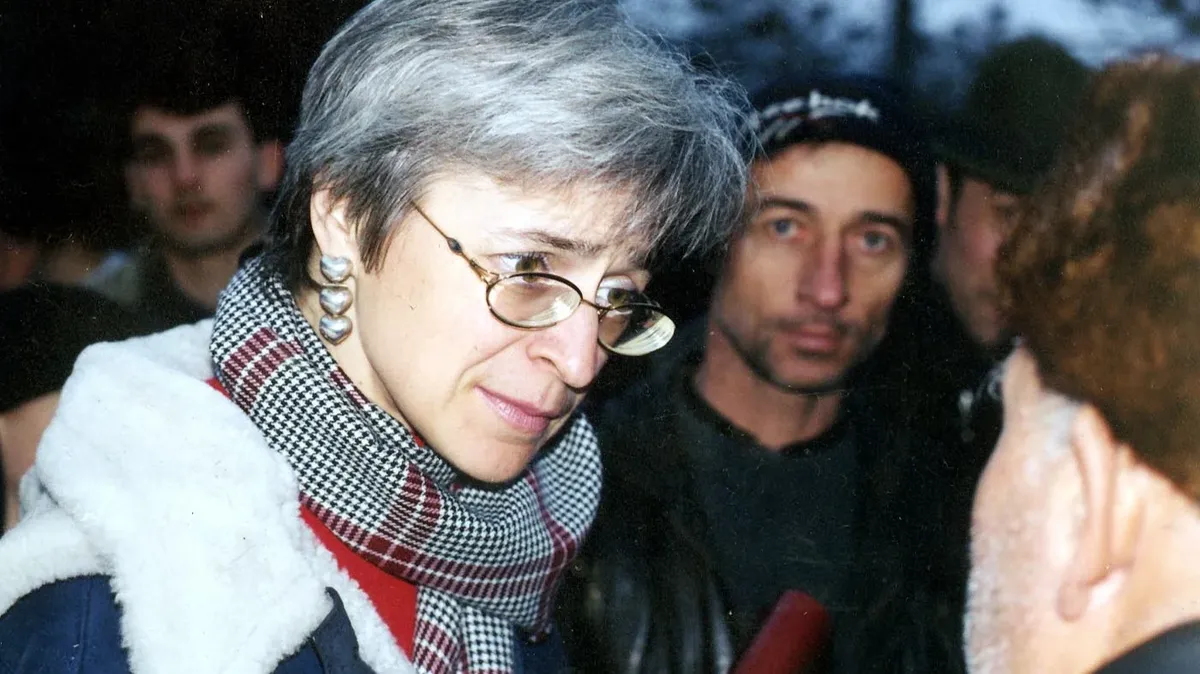
Disappearances, raids and torture: what Anna Politkovskaya wrote about the second Russian-Chechen war
Chronicle of Wars and Crimes
Disappearances, raids and torture: what Anna Politkovskaya wrote about the second Russian-Chechen war
7 October 2026

Anna Politkovskaya was killed on 7 October 2006. Her articles, written from behind Chechnya’s blood-soaked information wall and barbed wire, became a voice of truth — the truth about what residents of the republic were experiencing as they became a convenient and powerless collective victim of the global “fight against international terrorism”.

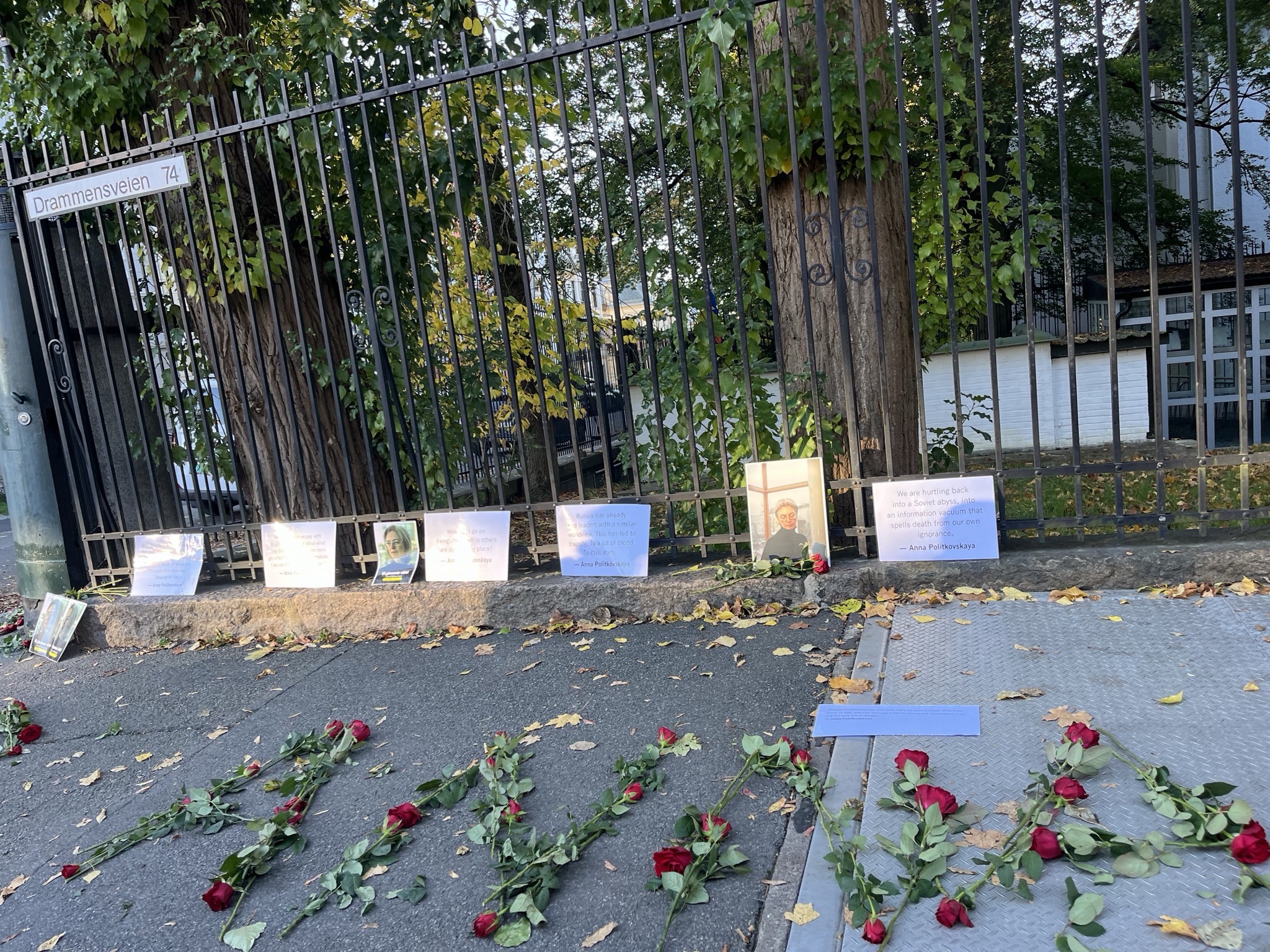
В Осло имя Анны Политковской выложили из цветов
Human rights
В Осло имя Анны Политковской выложили из цветов
7 October 2026

Сегодня в разных странах мира проходят акции памяти Анны Политковской, посвящённые 20-летию со дня убийства журналистки, много лет освещавшей войну в Чечне и нарушения прав человека.

European Parliament Demands Withdrawal of Lawsuit to Ban Opposition Parties in Georgia
Politics
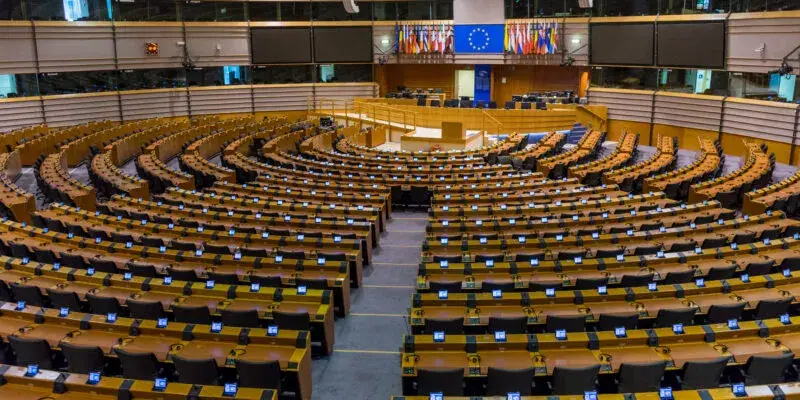
European Parliament Demands Withdrawal of Lawsuit to Ban Opposition Parties in Georgia
7 October 2026

In a draft resolution, the European Parliament has called on Georgian authorities to immediately withdraw the constitutional lawsuit seeking to ban opposition parties. The document is set for a vote on October 8, following a debate on the country's political situation taking place in Strasbourg on October 7.

On Putin’s birthday, Kadyrov speaks of the
Politics
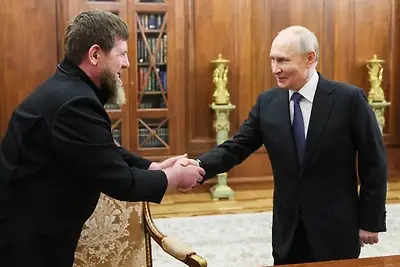
On Putin’s birthday, Kadyrov speaks of the "special significance" of his name for Chechnya
7 October 2026

Chechen leader Ramzan Kadyrov congratulated Vladimir Putin on his birthday and stated that the Russian president's name holds "special significance" for the Chechen people. According to Kadyrov, the region will "never forget" the support Putin extended to his father—Chechnya’s first president, Akhmat-Khadzhi Kadyrov—"at a time when the future of the Chechen Republic depended on the decisions being made."