Ahead of EU meeting on sanctions against Georgian authorities, Estonia imposes visa restrictions on them
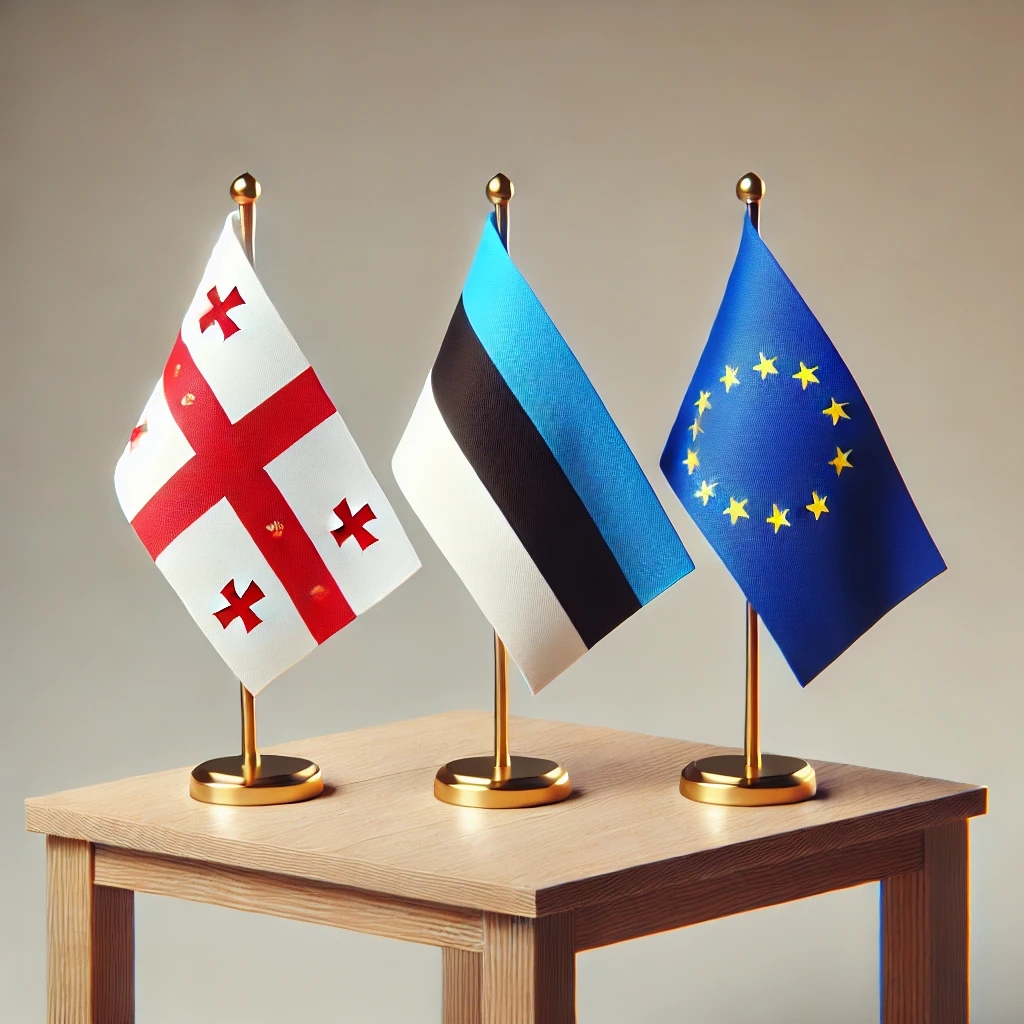
Georgian Prime Minister Irakli Kobakhidze has been placed under restrictions by Estonia. Along with him, 13 other high-ranking officials and judges were included in the sanctions list. These individuals are banned from entering Estonia. The corresponding statement was made by Estonian Foreign Minister Margus Tsahkna.
"The violence used by the Georgian authorities against demonstrators, journalists and opposition leaders is unacceptable, criminal and contrary to human rights. I call on all EU countries to respond to what is happening in Georgia and take concrete measures against those who use unjustified force and brutal violence against the Georgian people and undermine democracy," the diplomat said.
Let us recall that earlier three Baltic countries – Lithuania, Latvia and Estonia – imposed sanctions against the founder of the Georgian Dream party, oligarch Bidzina Ivanishvili, as well as employees of the Georgian Ministry of Internal Affairs due to their involvement in human rights violations during protests.
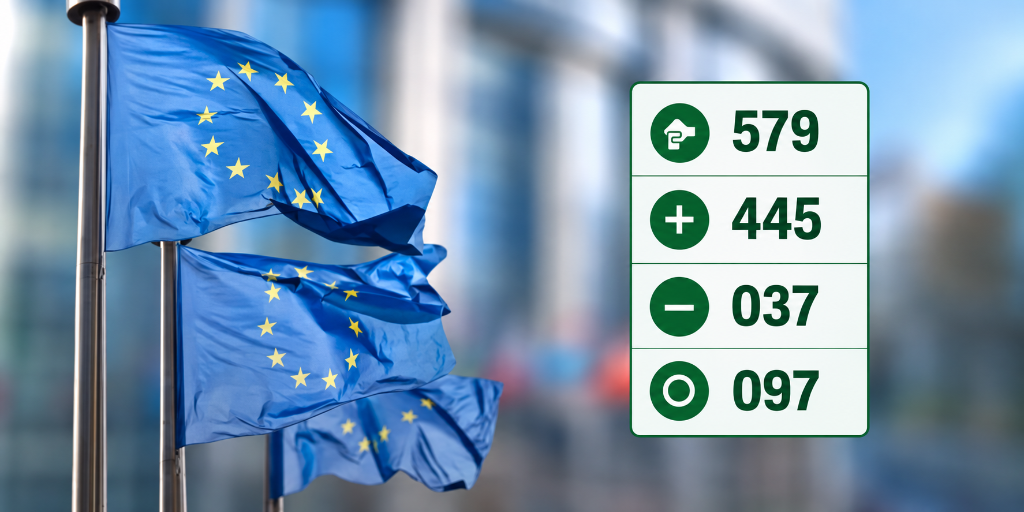
In addition, on December 16, a meeting of EU diplomats will be held to discuss measures against the Georgian government. At the same time, according to a statement by Hungarian Foreign Minister Peter Szijjarto, Budapest is ready to veto any proposals to impose sanctions against Georgia.
"If the opposition had won the elections, Brussels would have loudly shouted about democracy in Georgia... Now they are doing everything to deny and ignore the will of the citizens [of Georgia]. They are doing this in a completely undemocratic style. They are questioning the will of the Georgian people, which they expressed through democratic elections. This is a serious and, let's say, boring game of the liberal mainstream, which will be rejected," the Hungarian diplomat emphasized.
It is noteworthy that against the backdrop of the events in Georgia, Emmanuel Macron became the first Western leader to contact Bidzina Ivanishvili, who de facto holds power in the country. According to the Elysee Palace, the telephone conversation between the French president and the founder of the Georgian Dream lasted more than an hour. It is reported that Macron condemned the violence against protesters and journalists, demanded the release of detainees, called on the Georgian authorities to engage in dialogue with the opposition and respect the European and democratic aspirations of the people. The ruling party noted that "Macron expressed concern about the situation in Georgia and expressed a desire to contribute to the full resolution of this situation.
According to the former Georgian ambassador to the UK, Giorgi Badridze, the conversation between the leaders of France and Georgia served two purposes.
"On the one hand, it was a warning about possible consequences, including sanctions against Ivanishvili personally. On the other hand, I think that this conversation sent a message to Ivanishvili that he still has the opportunity for a peaceful and civilized departure from the hard positions he currently holds. By hard positions, I mean the anti-democratic, harsh suppression of protests and now the systematic hunt for activists," Badridze shared.