Niqabs may be banned in Russia

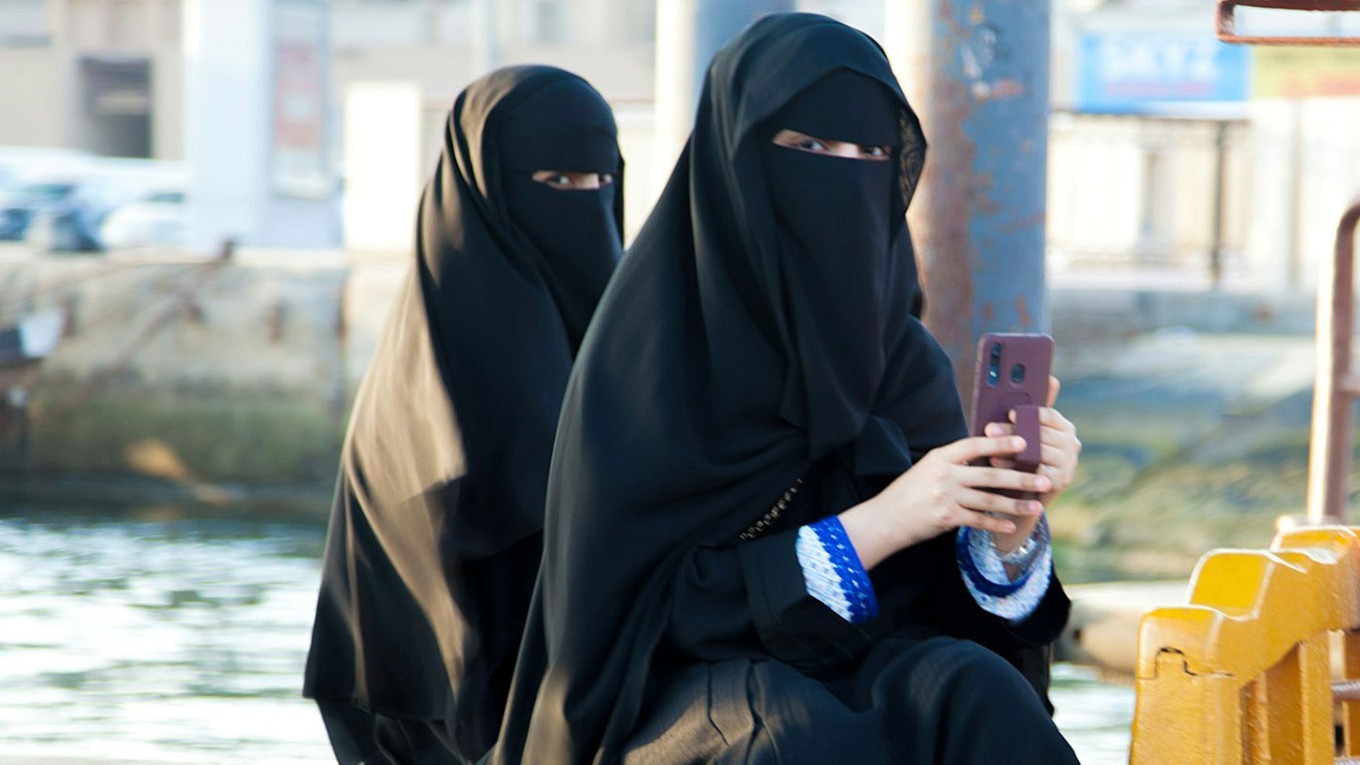
Chairman of the Human Rights Council Valery Fadeev called for a ban on niqabs in Russia, citing local residents’ dissatisfaction with the activities of mosques and possible “motivated” fears of security forces. The essence of these fears, he said, is that the emergence of “ethnic MMA clubs” could “lead to extremism”, and migrants from them could “be preparing for something very bad.”

Wearing a traditional element of clothing among some Muslim peoples, according to the head of the Presidential Human Rights Council, is a “problem” that requires a solution. Fadeev called for following the example of some Central Asian countries where niqabs, burkas and burqas are prohibited. “I will discuss this issue with representatives of traditional Islam and regional authorities,” Fadeev promised. He also drew attention to “another problem: niqabs that completely cover the face are allowed in Russia.”

First Deputy Chairman of the State Duma Committee on Nationalities Affairs Ildar Gilmutdinov, in an interview with the National News Service, said that such radical measures regarding Muslim women's clothing in Russia are fraught with possible negative consequences.

“Wearing niqabs is not yet so widespread. Today, to a greater extent, we need to talk with the leaders of religious organizations, our federal religious bodies. Through them, it is possible to carry out targeted work related to the inadmissibility of wearing niqabs. Ethnic groups have public associations with which we should be more actively in contact. Perhaps we shouldn’t escalate the situation now; won’t we increase negative emotions in our direction from the Islamic world?” the deputy noted.
Последние новости
Disappearances, raids and torture: what Anna Politkovskaya wrote about the second Russian-Chechen war
Chronicle of Wars and Crimes
Disappearances, raids and torture: what Anna Politkovskaya wrote about the second Russian-Chechen war
7 October 2026

Anna Politkovskaya was killed on 7 October 2006. Her articles, written from behind Chechnya’s blood-soaked information wall and barbed wire, became a voice of truth — the truth about what residents of the republic were experiencing as they became a convenient and powerless collective victim of the global “fight against international terrorism”.

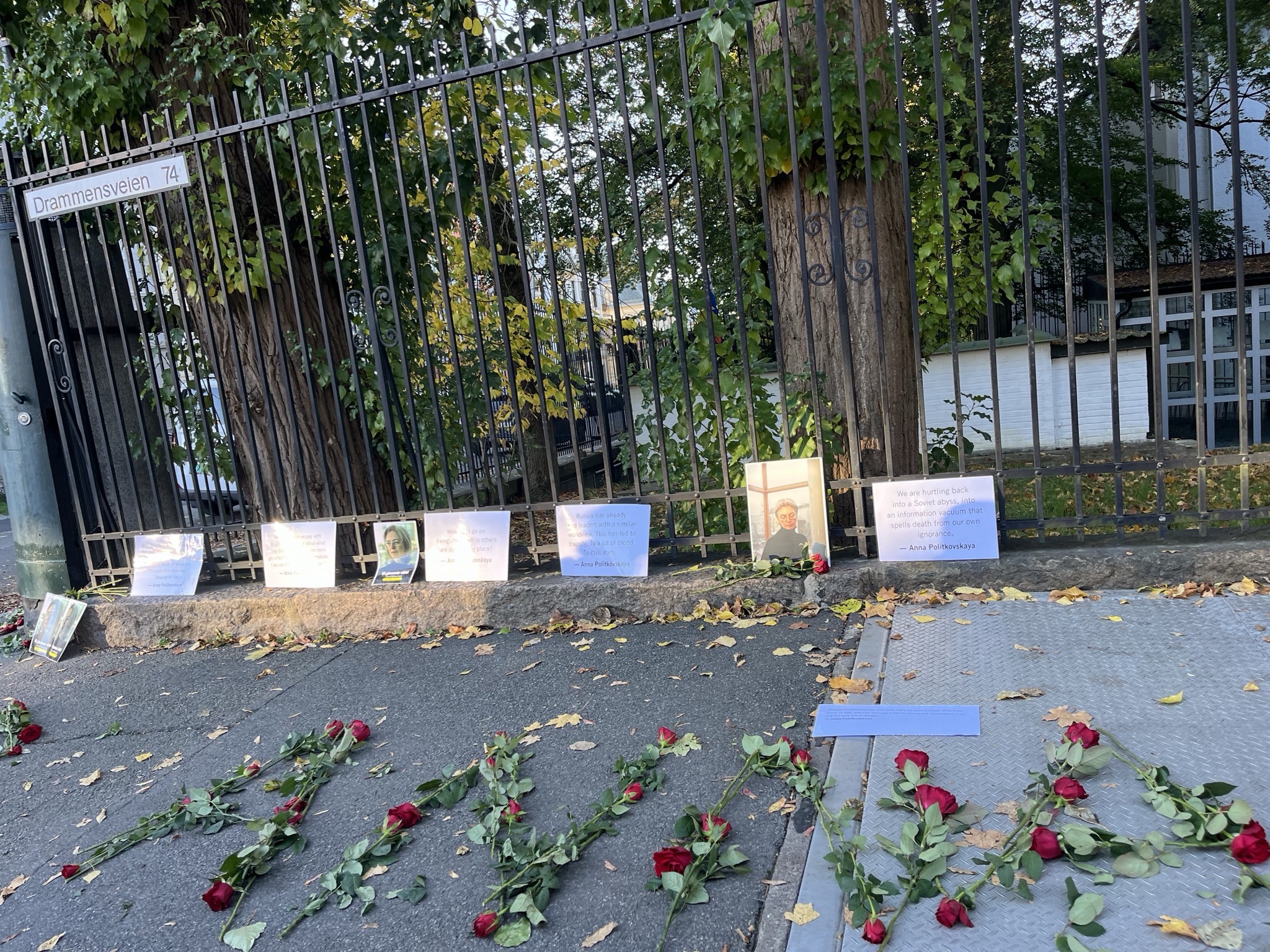
Anna Politkovskaya’s name laid out in flowers in Oslo
Human rights
Anna Politkovskaya’s name laid out in flowers in Oslo
7 October 2026

Memorial events for Anna Politkovskaya are taking place in countries around the world today, marking 20 years since the murder of the journalist, who spent many years reporting on the war in Chechnya and human rights violations.


European Parliament Demands Withdrawal of Lawsuit to Ban Opposition Parties in Georgia
Politics
European Parliament Demands Withdrawal of Lawsuit to Ban Opposition Parties in Georgia
7 October 2026

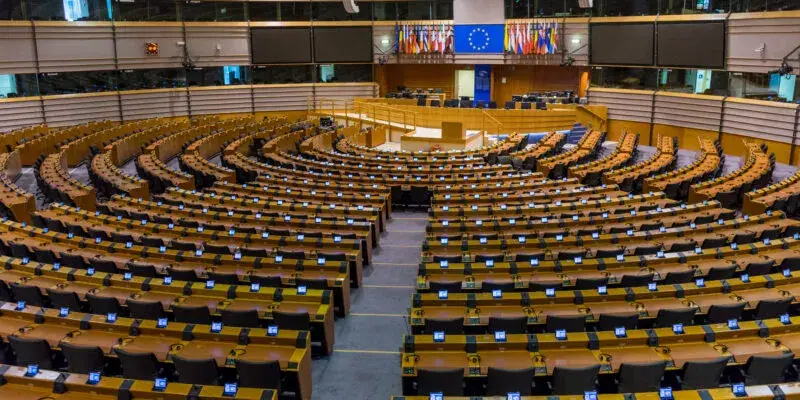
In a draft resolution, the European Parliament has called on Georgian authorities to immediately withdraw the constitutional lawsuit seeking to ban opposition parties. The document is set for a vote on October 8, following a debate on the country's political situation taking place in Strasbourg on October 7.

On Putin’s birthday, Kadyrov speaks of the
Politics
On Putin’s birthday, Kadyrov speaks of the "special significance" of his name for Chechnya
7 October 2026

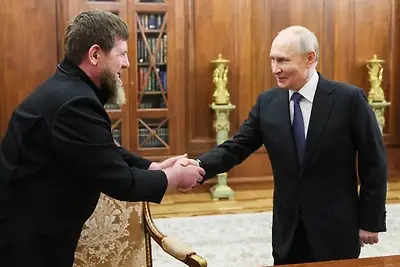
Chechen leader Ramzan Kadyrov congratulated Vladimir Putin on his birthday and stated that the Russian president's name holds "special significance" for the Chechen people. According to Kadyrov, the region will "never forget" the support Putin extended to his father—Chechnya’s first president, Akhmat-Khadzhi Kadyrov—"at a time when the future of the Chechen Republic depended on the decisions being made."