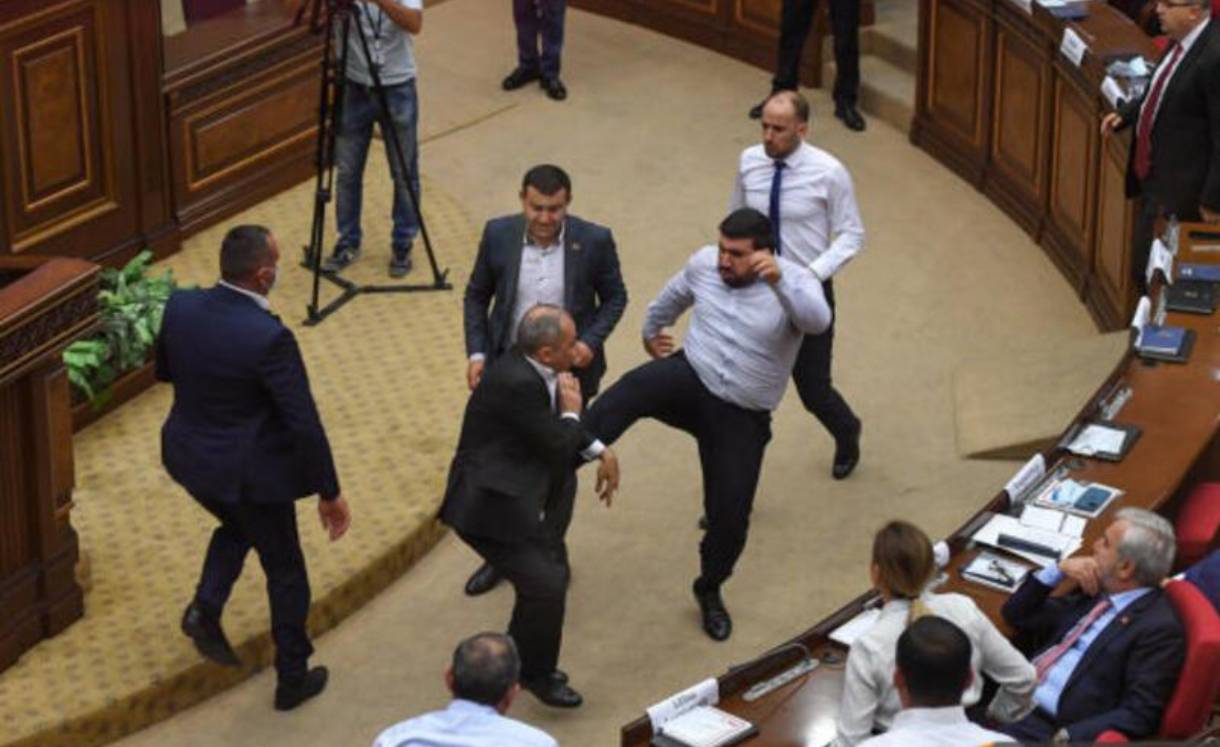
An Azerbaijani journalist was detained in Tbilisi while heading to a protest

Opposition Azerbaijani journalist Afgan Sadigov was detained under administrative law in the Georgian capital. This news was shared on social media by Tamta Mikeladze, a lawyer with the Center for Social Justice.

Sadigov's wife had previously reported that he had planned to attend a protest near parliament, but had stopped responding to calls after leaving home. She also said that her husband had noticed he was being followed in recent days and attributed his disappearance to "yet another political crackdown by the Aliyev and Ivanishvili regimes."

For several hours, the journalist's family and human rights activists attempted to establish his whereabouts. According to Mikeladze, "patrol police twice denied his detention and only now informed us of it."

"The relatives' fears and predictions of the worst, fortunately for them, were not realized. We will learn the details tomorrow and will inform you." "This is the kind of case where you rejoice at someone's arrest," the lawyer wrote on social media.

Afgan Sadigov, founder and editor-in-chief of the opposition Azerbaijani channel Azel TV, was arrested in Tbilisi on August 3, 2024, on the basis of a fabricated Interpol search warrant issued at the request of Baku. In May 2020, he was sentenced in Azerbaijan to seven years in prison on extortion charges. He was subsequently pardoned. Human rights activists called the criminal case a fabrication.

In April 2025, the Tbilisi City Court released Afgan Sadigov from extradition custody, placing him on bail as a preventive measure. After his release, the journalist continued his protest activity, in particular, publicly expressing support for convicted journalist Mzia Amaglobeli.
Последние новости
Opposition protest, resignation, and Pashinyan’s return: Armenia’s new parliament begins work
Politics
Opposition protest, resignation, and Pashinyan’s return: Armenia’s new parliament begins work
2 August 2026

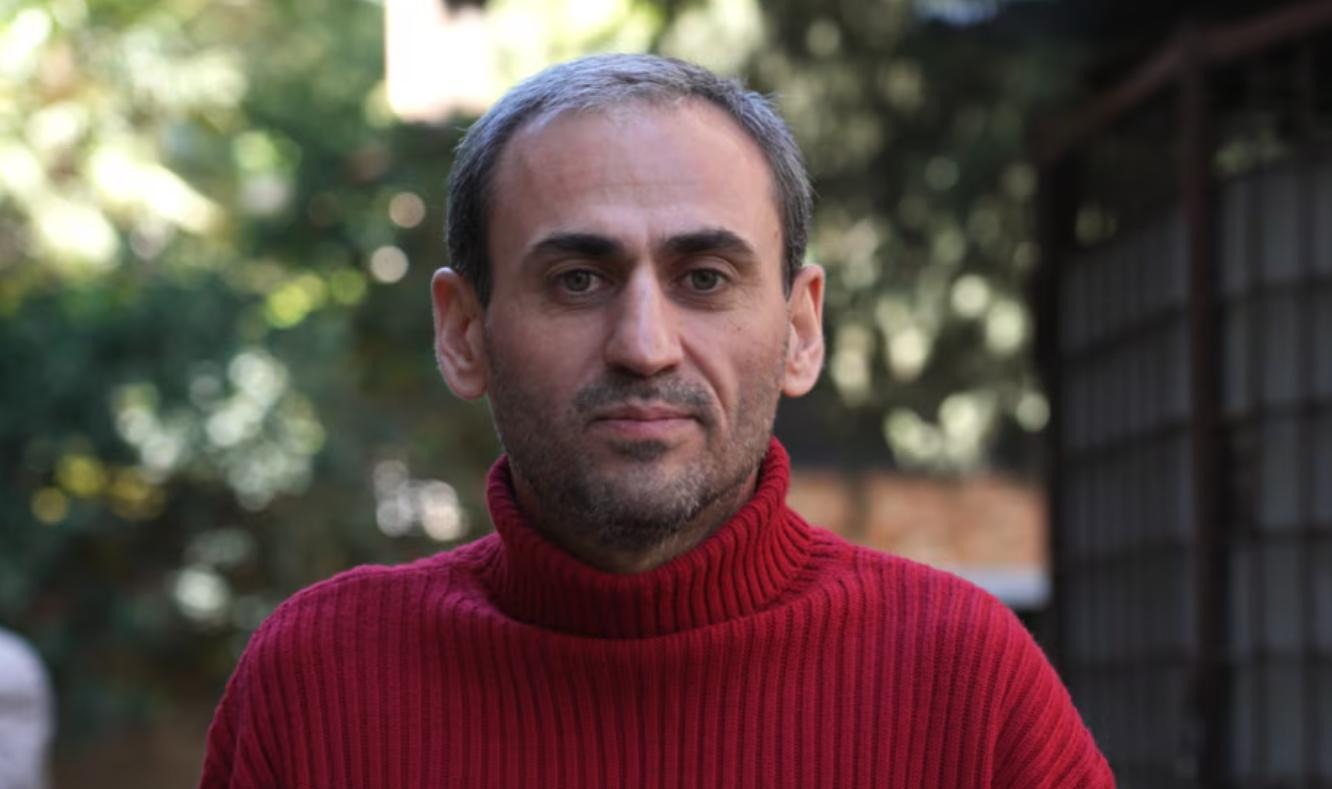
The inaugural session of the ninth convocation of Armenia’s National Assembly took place in Yerevan. The new parliament began its work with a political protest: during the swearing-in ceremony, opposition representatives refused to stand or recite the oath, whereas deputies from the ruling party stood while doing so. That same day, Nikol Pashinyan’s government resigned, in accordance with the Constitution.

North Ossetian Police Launch Inquiry Into Threats Against Women Linked to Telegram Channel
Society
North Ossetian Police Launch Inquiry Into Threats Against Women Linked to Telegram Channel
1 August 2026

Police in Russia's North Ossetia have launched an inquiry following a campaign of online harassment targeting women through the Telegram channel Kavkazskaya Obshchina ("Caucasian Community"). The channel's administrators published women's personal information, insulted them and issued threats of violence over behaviour they claimed violated Caucasian traditions. 

Human Rights Advocates Question Investigators' Claims Linking Batalkhadzhins to the Caucasus Emirate
News
Human Rights Advocates Question Investigators' Claims Linking Batalkhadzhins to the Caucasus Emirate
1 August 2026

Russian law enforcement agencies have claimed that members of the Batalkhadzhin Sufi community were linked to the Caucasus Emirate*, a militant Islamist organisation. Human rights advocates, however, have questioned the allegations, noting that the group effectively ceased to exist more than a decade ago and that publicly available case materials contain little evidence of specific acts of support for militants.

Threat of Muslim Alkhazov's Deportation From Germany Raises Fresh Concerns Over the Status of Chechen Asylum Seekers in Europe
Human rights
Threat of Muslim Alkhazov's Deportation From Germany Raises Fresh Concerns Over the Status of Chechen Asylum Seekers in Europe
1 August 2026

Germany's decision to deport Chechen-born Muslim Alkhazov despite claims by his legal team that his family has been persecuted has sparked renewed concern among Chechen human rights advocates and members of the diaspora across Europe. They argue that the case could signal an emerging shift in how European authorities assess asylum claims filed by people from Chechnya.