Georgian authorities and opposition argue over the need to apologize to Ossetians

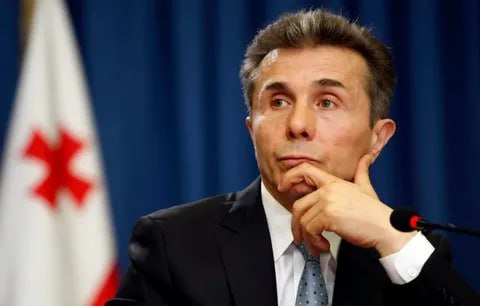
The founder and honorary chairman of Georgia's ruling party, Georgian Dream, Bidzina Ivanishvili, said that it is necessary to find the strength to apologize for the fact that the Unity – National Movement party, which was in power in 2008, "enveloped Ossetian sisters and brothers in flames."

According to him, the August 2008 war "was not the will of either the Georgian or Ossetian people." He reiterated that Georgian Dream needs a constitutional majority in parliament for amendments related to the country's territorial integrity.

"European integration is our strategic choice, but we could not choose our neighbors, and therefore, in parallel with European integration, we had to take a principled but correct position towards Russia!" Ivanishvili noted.

"Bidzina Ivanishvili must apologize to all the military, to every citizen of Georgia," said Tamar Kordzaia, leader of the Unity - National Movement party. This is how the opposition politician responded to Bidzina Ivanishvili's promise to "find the strength to apologize" for what happened in 2008.

"I don't know how he will live after these words. There are angry people on social networks, they are very offended. We need to apologize to the military who heroically fought to protect Georgia from the Russians," said Kordzaia.

Meanwhile, a protest has begun in front of the parliament building in Tbilisi. The reason is Ivanishvili's aforementioned statement.

In August 2008, military actions were conducted between Georgia on one side and the Russian Federation and the self-proclaimed republics of South Ossetia and Abkhazia supported by it on the other side (the "Five-Day War", or the Russian-Georgian War). They ended after the signing of an EU-brokered ceasefire agreement.
Последние новости
Disappearances, raids and torture: what Anna Politkovskaya wrote about the second Russian-Chechen war
Chronicle of Wars and Crimes
Disappearances, raids and torture: what Anna Politkovskaya wrote about the second Russian-Chechen war
7 October 2026

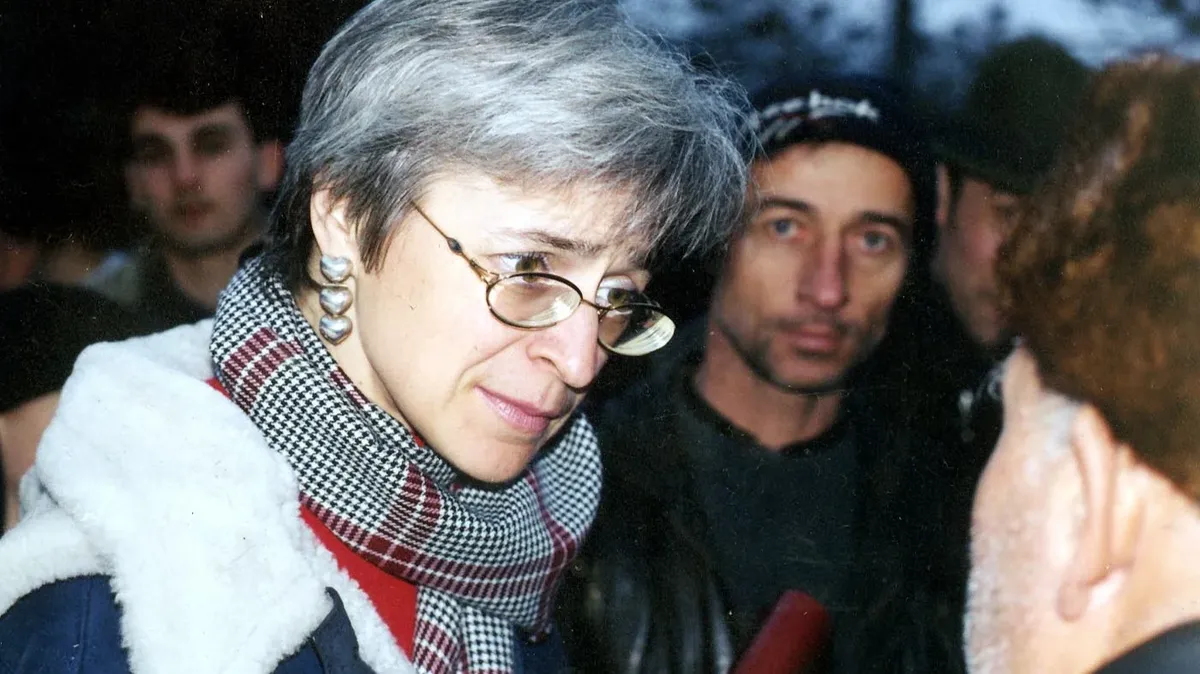
Anna Politkovskaya was killed on 7 October 2006. Her articles, written from behind Chechnya’s blood-soaked information wall and barbed wire, became a voice of truth — the truth about what residents of the republic were experiencing as they became a convenient and powerless collective victim of the global “fight against international terrorism”.

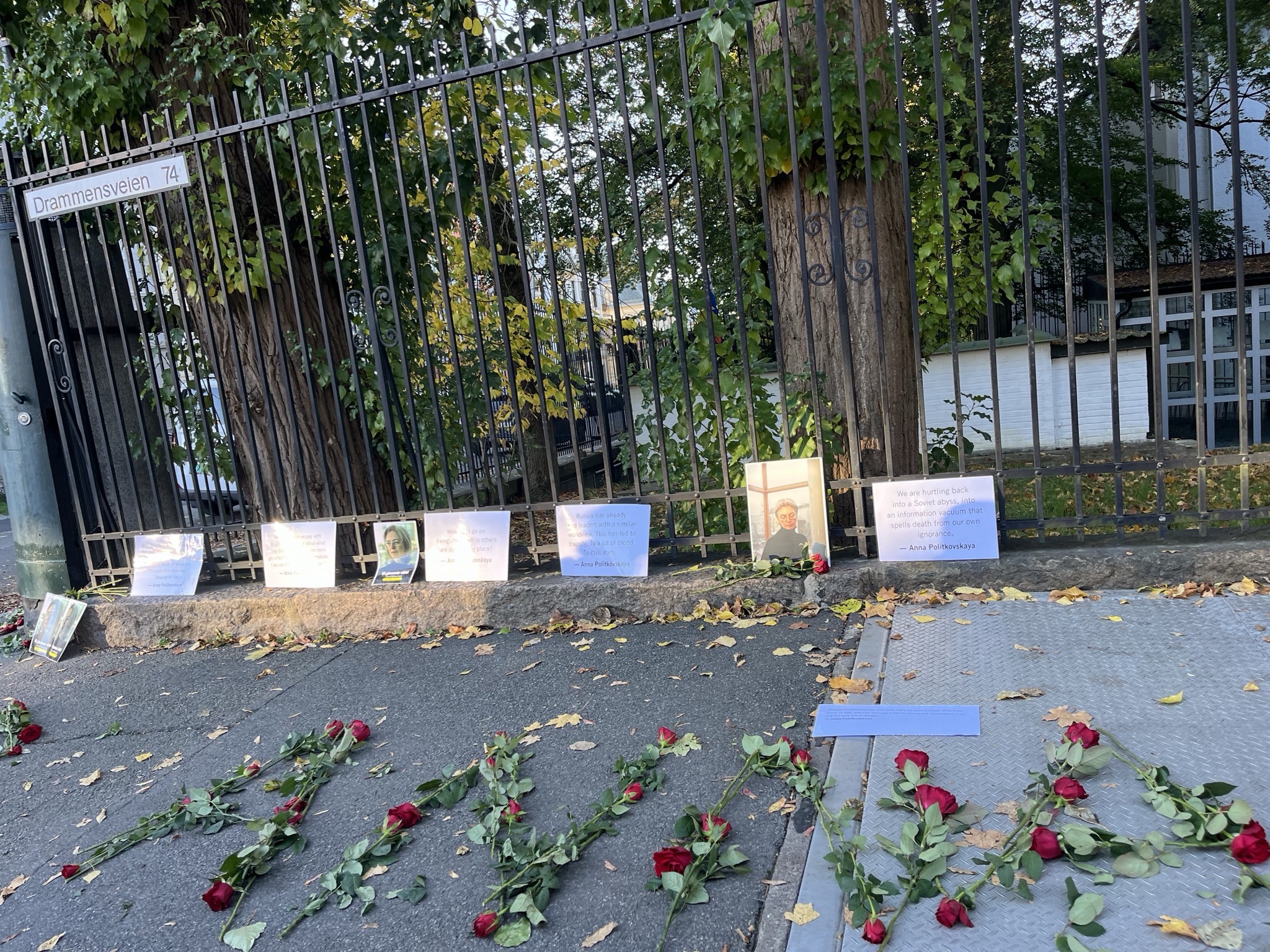
Anna Politkovskaya’s name laid out in flowers in Oslo
Human rights
Anna Politkovskaya’s name laid out in flowers in Oslo
7 October 2026

Memorial events for Anna Politkovskaya are taking place in countries around the world today, marking 20 years since the murder of the journalist, who spent many years reporting on the war in Chechnya and human rights violations.


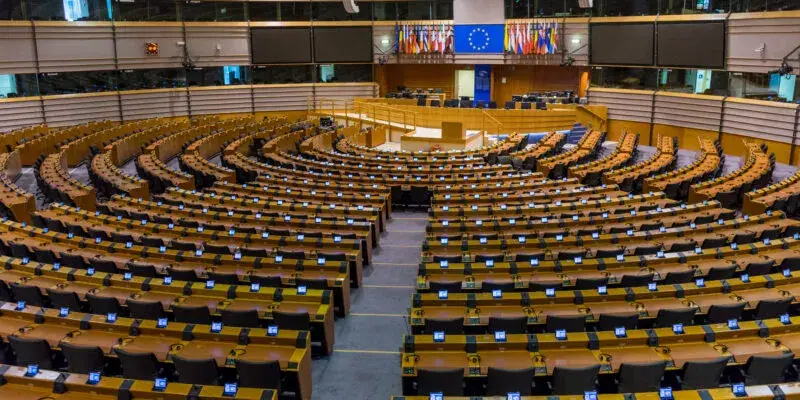
European Parliament Demands Withdrawal of Lawsuit to Ban Opposition Parties in Georgia
Politics
European Parliament Demands Withdrawal of Lawsuit to Ban Opposition Parties in Georgia
7 October 2026

In a draft resolution, the European Parliament has called on Georgian authorities to immediately withdraw the constitutional lawsuit seeking to ban opposition parties. The document is set for a vote on October 8, following a debate on the country's political situation taking place in Strasbourg on October 7.

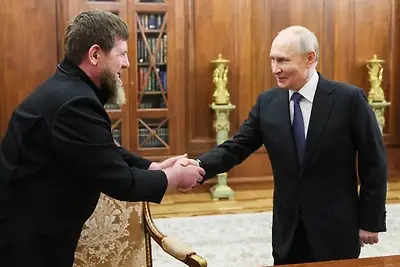
On Putin’s birthday, Kadyrov speaks of the
Politics
On Putin’s birthday, Kadyrov speaks of the "special significance" of his name for Chechnya
7 October 2026

Chechen leader Ramzan Kadyrov congratulated Vladimir Putin on his birthday and stated that the Russian president's name holds "special significance" for the Chechen people. According to Kadyrov, the region will "never forget" the support Putin extended to his father—Chechnya’s first president, Akhmat-Khadzhi Kadyrov—"at a time when the future of the Chechen Republic depended on the decisions being made."