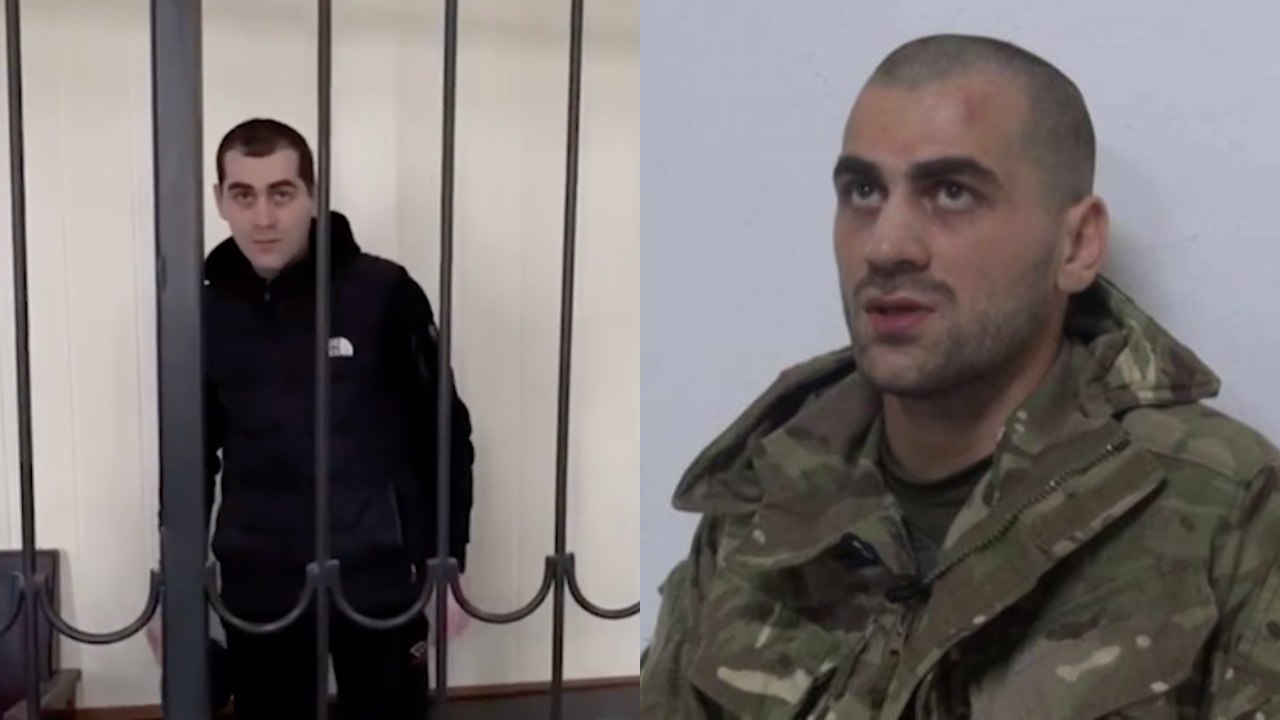
A Georgian citizen who fought for Ukraine was sentenced to a long term

A Russian court sentenced Georgian citizen Georgy Goglidze to nine years in prison. He was found guilty under the article on mercenarism (part 3 of article 359 of the Criminal Code).

According to the prosecution, in order to "participate in an armed conflict as a mercenary," Goglidze voluntarily "concluded a contract with the Armed Forces of Ukraine" in April 2023. He subsequently took part in military operations against the Russian Armed Forces.

Earlier, the independent human rights project "Memorial" stated that Georgian citizens Mamuka Gatsrelia, Georgy Chubetidze, and Georgy Goglidze, who were persecuted by Russia for serving in the Armed Forces of Ukraine, were recognized as political prisoners.

Mamuka Gatsrelia defended Mariupol as part of the International Legion. In May 2022, he was captured. On February 19, 2024, the Supreme Court of the "DPR" sentenced him to life imprisonment for "attempts on the lives of military personnel" of the Russian Federation and mercenarism. Georgy Chubetidze and Georgy Goglizde also fought in the ranks of the International Legion. In November 2023, they were captured near Kremennaya.

"The Geneva Convention for the Protection of Victims of International Armed Conflicts does not recognize as mercenaries those who officially serve in the armed forces of one of the warring parties. All foreigners accused of mercenarism served under contract in official units of the Ukrainian army," Memorial notes.

According to human rights activists, none of the foreigners accused of mercenarism can be prosecuted for the very fact of participating in military action. According to international law, combatants detained during military action are considered prisoners of war. The latter, if they did not commit war crimes, cannot be subject to criminal prosecution.
Последние новости
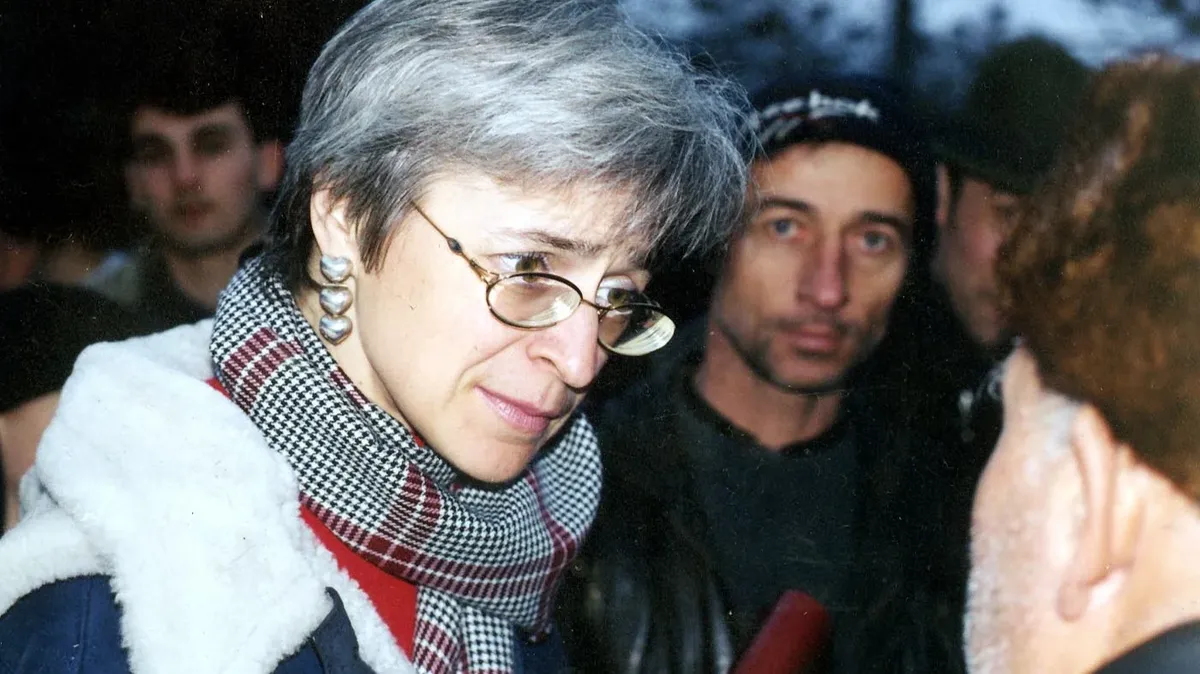
Disappearances, raids and torture: what Anna Politkovskaya wrote about the second Russian-Chechen war
Chronicle of Wars and Crimes
Disappearances, raids and torture: what Anna Politkovskaya wrote about the second Russian-Chechen war
7 October 2026

Anna Politkovskaya was killed on 7 October 2006. Her articles, written from behind Chechnya’s blood-soaked information wall and barbed wire, became a voice of truth — the truth about what residents of the republic were experiencing as they became a convenient and powerless collective victim of the global “fight against international terrorism”.

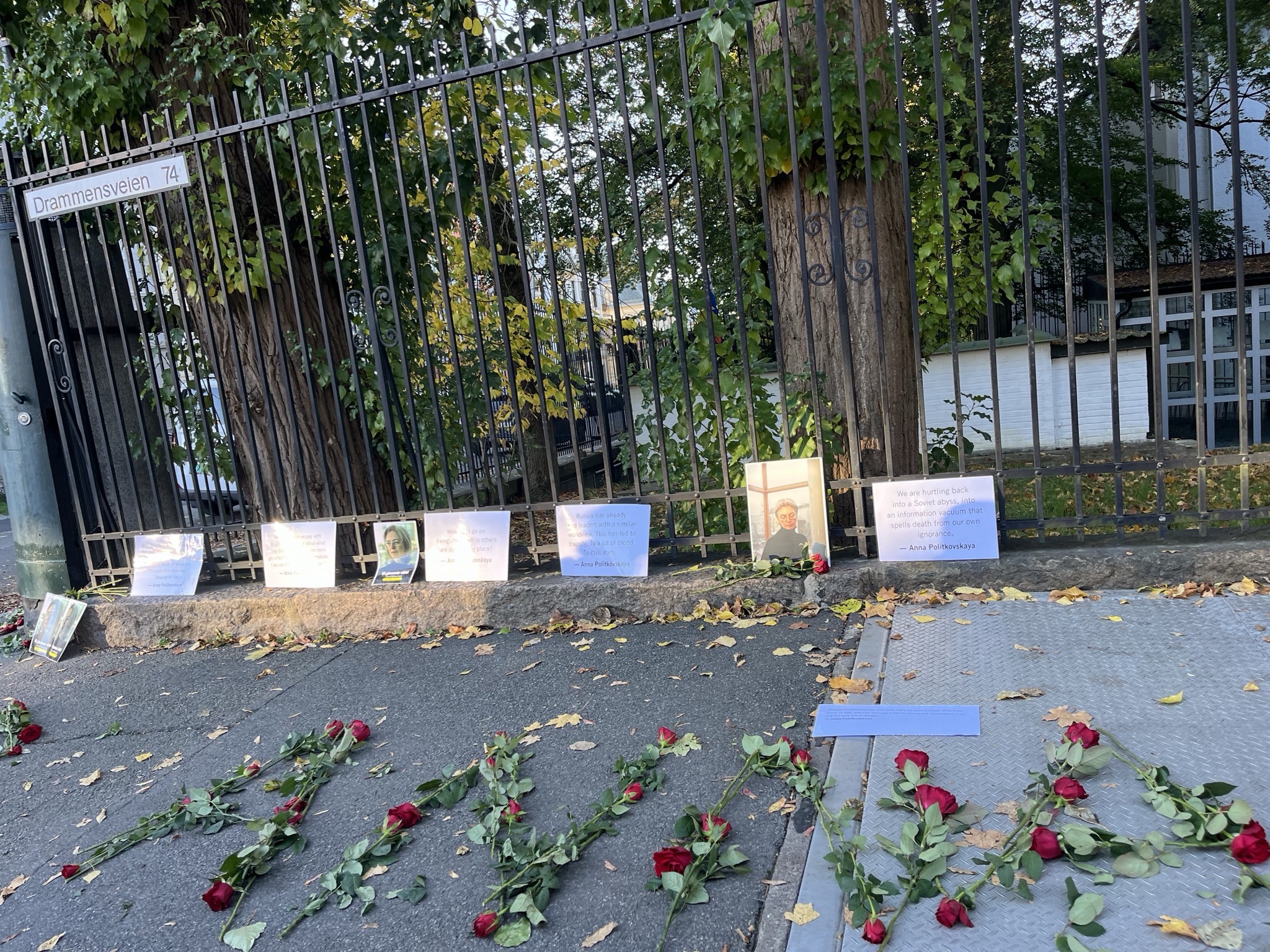
Anna Politkovskaya’s name laid out in flowers in Oslo
Human rights
Anna Politkovskaya’s name laid out in flowers in Oslo
7 October 2026

Memorial events for Anna Politkovskaya are taking place in countries around the world today, marking 20 years since the murder of the journalist, who spent many years reporting on the war in Chechnya and human rights violations.


European Parliament Demands Withdrawal of Lawsuit to Ban Opposition Parties in Georgia
Politics
European Parliament Demands Withdrawal of Lawsuit to Ban Opposition Parties in Georgia
7 October 2026

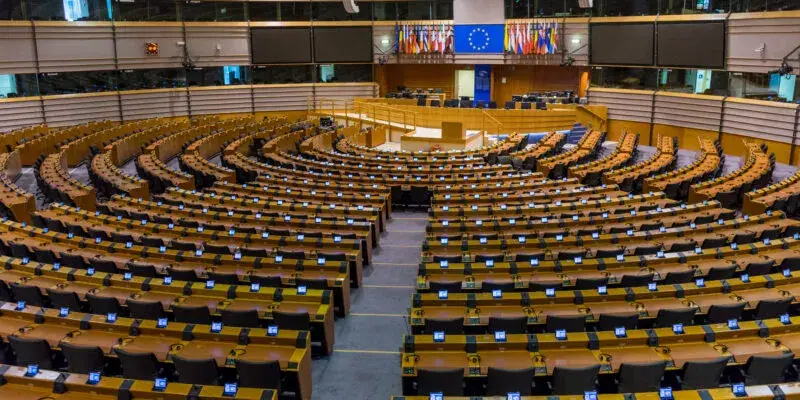
In a draft resolution, the European Parliament has called on Georgian authorities to immediately withdraw the constitutional lawsuit seeking to ban opposition parties. The document is set for a vote on October 8, following a debate on the country's political situation taking place in Strasbourg on October 7.

On Putin’s birthday, Kadyrov speaks of the
Politics
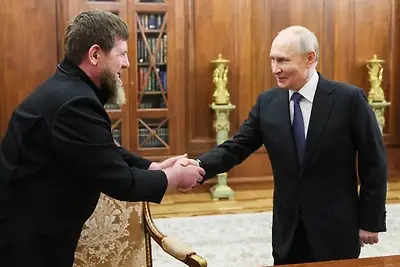
On Putin’s birthday, Kadyrov speaks of the "special significance" of his name for Chechnya
7 October 2026

Chechen leader Ramzan Kadyrov congratulated Vladimir Putin on his birthday and stated that the Russian president's name holds "special significance" for the Chechen people. According to Kadyrov, the region will "never forget" the support Putin extended to his father—Chechnya’s first president, Akhmat-Khadzhi Kadyrov—"at a time when the future of the Chechen Republic depended on the decisions being made."