Zarema Musayeva has been asked for four years of imprisonment
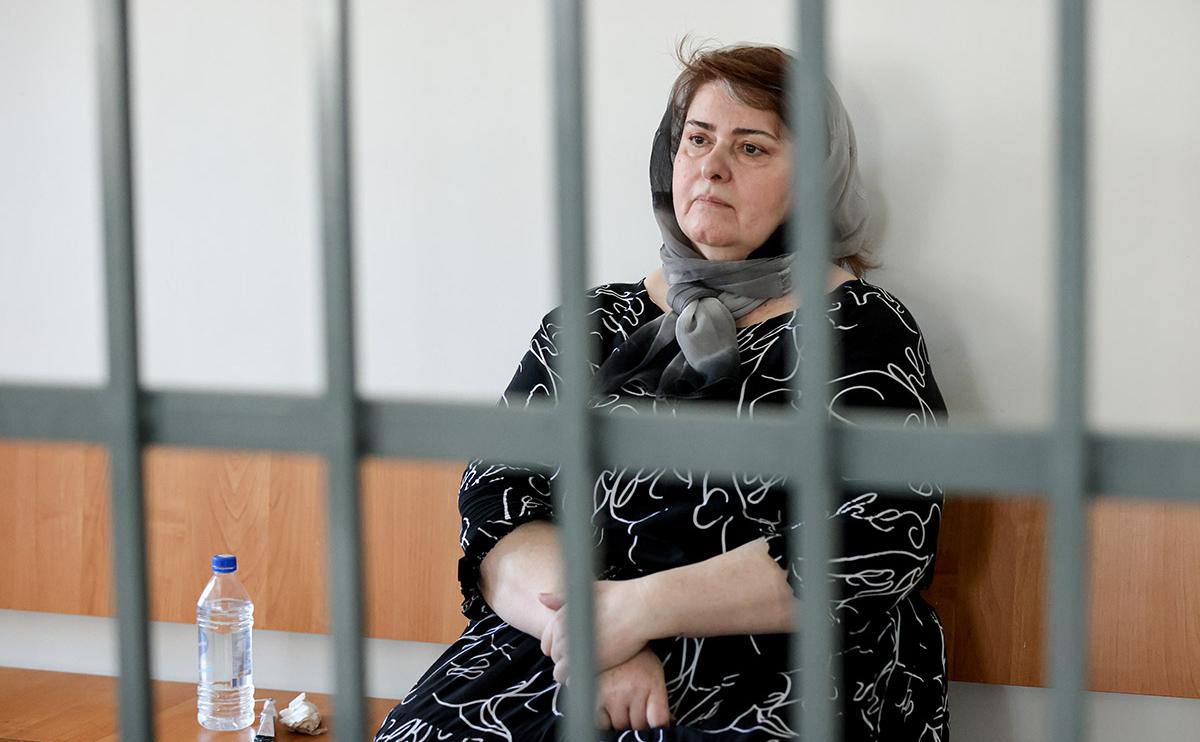
At the Shali City Court of Chechnya, the state prosecutor has asked for four years of imprisonment for Zarema Musayeva, the Team Against Torture reported. The woman is accused of disrupting the work of the colony.
The investigation claims that 55-year-old Musayeva attacked an FSIN employee during transportation to the hospital, where she is undergoing planned therapy for chronic diseases. The motive for the attack was allegedly Musayeva's dissatisfaction with the fact that she was not being left in the hospital for inpatient treatment.
Lawyer Alexander Savin called on the court to acquit Zarema Musayeva, stating that her guilt has not been proven and the testimony of the FSIN employee is false. He emphasized that, according to prisoners interviewed during the investigation, Musayeva was satisfied with the medical care. In addition, the lawyer emphasized that the defendant knew about the lack of a 24-hour inpatient department at the hospital and, therefore, could not count on a long stay there.
The only witness to the attack is Bekbulatov himself, while his escort partner did not see what happened. The remaining 14 witnesses do not confirm the fact of the attack. Doubts are also raised by Bekbulatov's medical examination. The city hospital surgeon recorded only a small abrasion, while the forensic examination revealed a larger number of injuries, which are blamed on Musayeva.
Zarema Musayeva is the wife of former federal judge Saidi Yangulbaev and the mother of Chechen activists Abubakar, Ibragim and Baysangur Yangulbaev. In early March 2024, the Pyatigorsk Cassation Court mitigated her sentence on the previous charge, reducing her prison term from 5 years to 4 years and 9 months. In July 2023, a court in Grozny found the woman guilty of using violence against a police officer and fraud and sentenced her to five years in prison. According to investigators, she scratched the face of a Chechen police officer while she was being transported from Nizhny Novgorod to Grozny. Human rights activists claim that the woman was kidnapped as a hostage and convicted for her sons' opposition activities.