Georgia investigates election violations

The Georgian Prosecutor's Office is investigating 47 criminal cases in connection with possible violations in the parliamentary elections. Among them are falsification, influence on the will of the voter, violation of the secrecy of the ballot, bribery, obstruction of journalistic activity, as well as violence and threats.

The statement of the department notes that the course of the investigation is complicated by the refusal to cooperate of persons who publicly stated that they had information and evidence of election violations. On October 30, Georgian President Salome Zurabishvili refused to go to the prosecutor's office, noting that the investigative body "must find evidence on this or that case itself, and not ask the president for it."

The West has decided to launch its own investigation into possible election violations in Georgia. This was stated by the head of the press service of the US State Department, Matthew Miller.

"We have made it clear that we are consulting with our colleagues in the European Union about what other investigations may be appropriate. We hope that President Zurabishvili, who is alleging massive violations, will provide information that will be relevant to any investigation conducted by the Georgian authorities or anyone else,” Miller said.

EU foreign ministers will discuss the situation in Georgia after November 18.

“Different options require different decision-making methods. Suspension of the visa-free regime requires only a qualified majority vote. All this will be discussed with member states, and final decisions will be made based on developments in Georgia in the coming days,” said EU Ambassador to Georgia Pavel Gerchinsky.

According to the Central Election Commission, the ruling Georgian Dream party won the parliamentary elections of Georgia, which took place on October 26. It received 53.9%. Four opposition parties also overcame the five percent barrier.

Последние новости
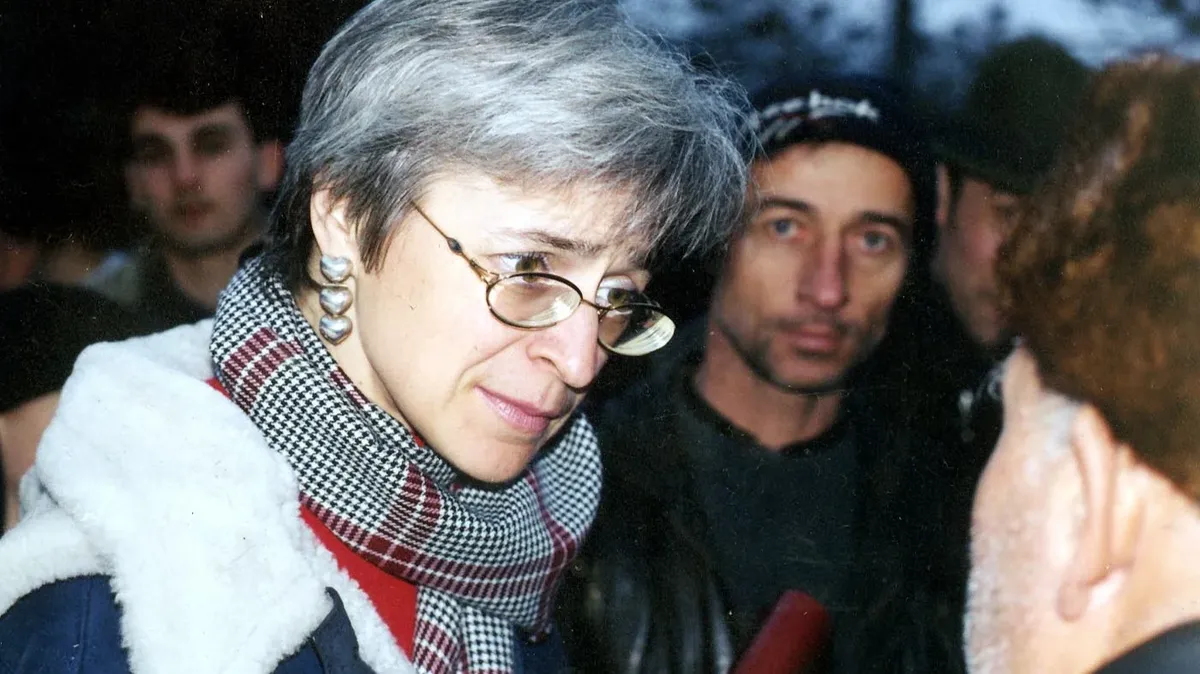
Disappearances, raids and torture: what Anna Politkovskaya wrote about the second Russian-Chechen war
Chronicle of Wars and Crimes
Disappearances, raids and torture: what Anna Politkovskaya wrote about the second Russian-Chechen war
7 October 2026

Anna Politkovskaya was killed on 7 October 2006. Her articles, written from behind Chechnya’s blood-soaked information wall and barbed wire, became a voice of truth — the truth about what residents of the republic were experiencing as they became a convenient and powerless collective victim of the global “fight against international terrorism”.

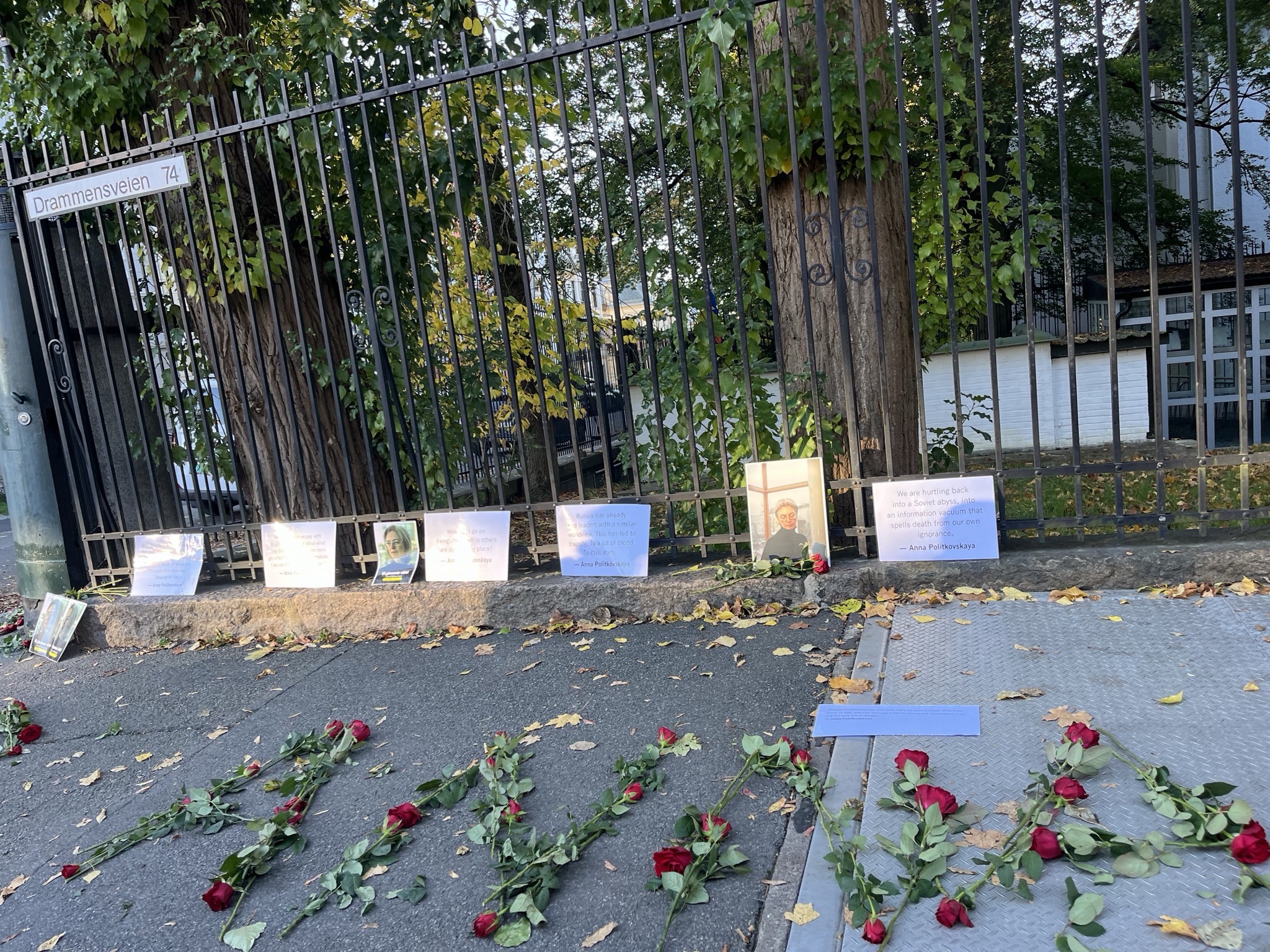
Anna Politkovskaya’s name laid out in flowers in Oslo
Human rights
Anna Politkovskaya’s name laid out in flowers in Oslo
7 October 2026

Memorial events for Anna Politkovskaya are taking place in countries around the world today, marking 20 years since the murder of the journalist, who spent many years reporting on the war in Chechnya and human rights violations.


European Parliament Demands Withdrawal of Lawsuit to Ban Opposition Parties in Georgia
Politics
European Parliament Demands Withdrawal of Lawsuit to Ban Opposition Parties in Georgia
7 October 2026

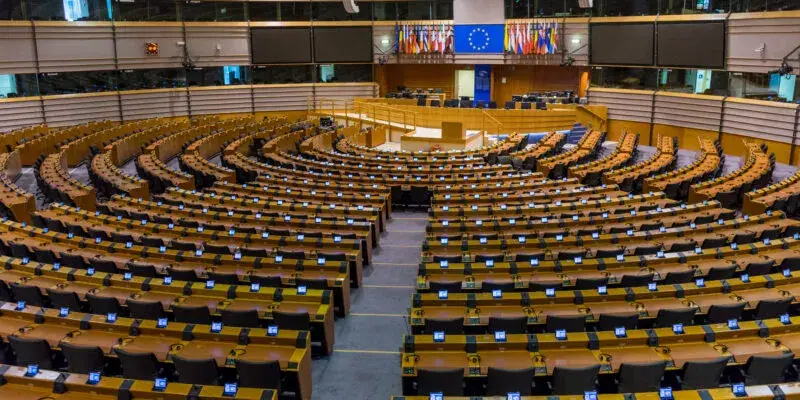
In a draft resolution, the European Parliament has called on Georgian authorities to immediately withdraw the constitutional lawsuit seeking to ban opposition parties. The document is set for a vote on October 8, following a debate on the country's political situation taking place in Strasbourg on October 7.

On Putin’s birthday, Kadyrov speaks of the
Politics
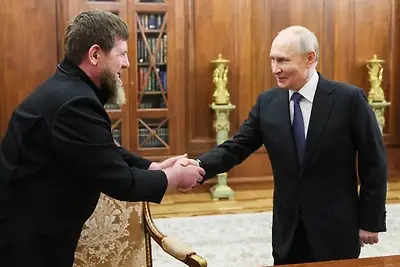
On Putin’s birthday, Kadyrov speaks of the "special significance" of his name for Chechnya
7 October 2026

Chechen leader Ramzan Kadyrov congratulated Vladimir Putin on his birthday and stated that the Russian president's name holds "special significance" for the Chechen people. According to Kadyrov, the region will "never forget" the support Putin extended to his father—Chechnya’s first president, Akhmat-Khadzhi Kadyrov—"at a time when the future of the Chechen Republic depended on the decisions being made."